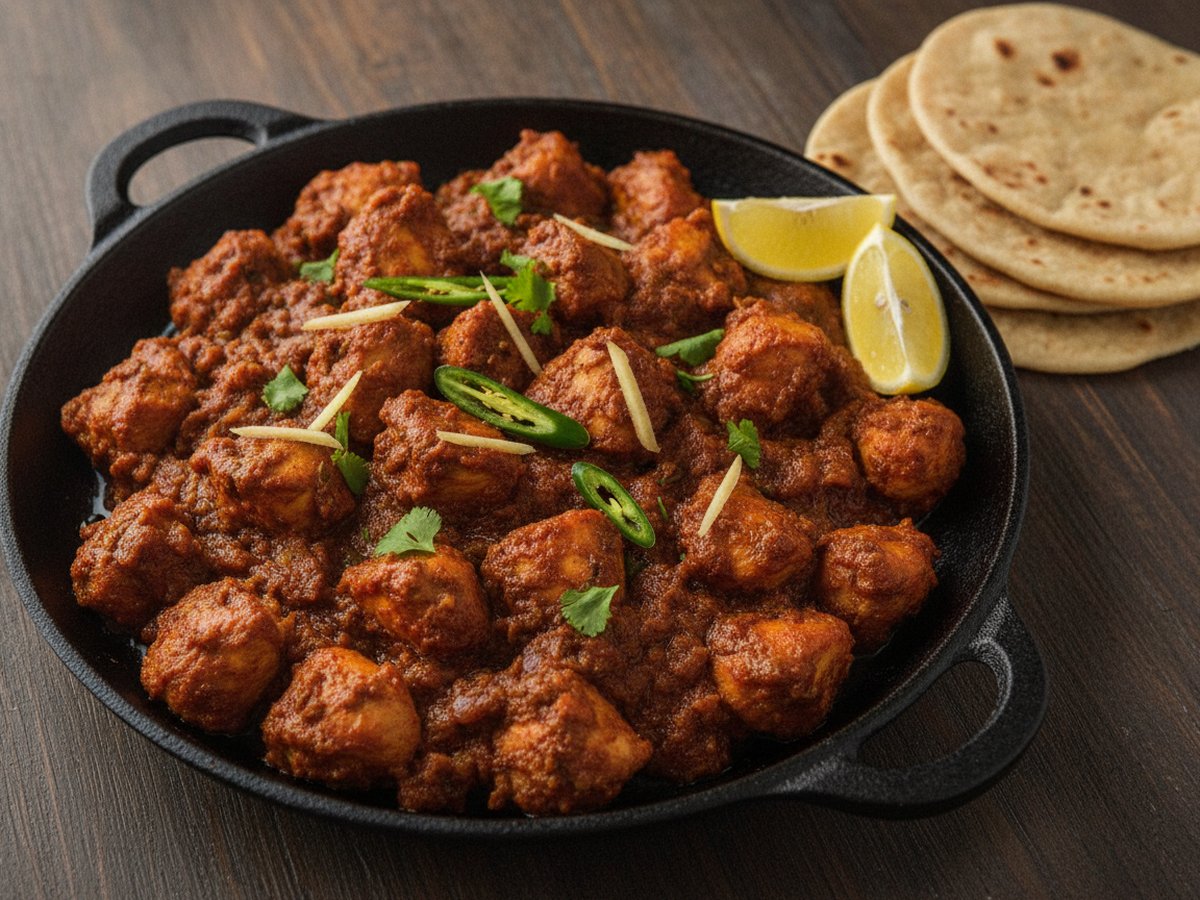
Tawa chicken is boneless chicken seared on a flat iron griddle, a tawa, and then tossed in a thick, dry masala of onion, tomato, green chilli and ground spices until the masala clings to every piece. It is a dry dish, not a curry: there should be no gravy to pour, only oil shining at the edge of the pan.
One thing decides whether it works: heat. The chicken has to sear rather than stew, and the masala has to cook until the oil separates from it. The card makes 500 g (1 lb) of chicken, enough for three, in about 40 minutes plus a 30-minute marinade.
Last updated
Recipe
Tawa Chicken (Dhaba-Style Pan Masala Chicken)
Ingredients
Marinade
Masala
To finish
Method
- Mix the chicken with the ginger-garlic paste, salt, red chilli powder and yogurt until every piece is coated. Leave it for at least 30 minutes, in the fridge if it will wait longer.
- Heat the oil or ghee on a tawa or the widest heavy pan you have over medium-high heat. Lay the chicken in a single layer and sear for 2 to 3 minutes a side until browned in patches. Sear in two batches if the pan is crowded.
- Push the chicken to the edge of the tawa, or lift it onto a plate. Melt the butter in the centre and cook the onion, stirring, until soft and turning golden.
- Add the tomatoes, green chillies, ground coriander, cumin, turmeric and the water. Cook, pressing the tomatoes with the spatula, until they collapse into a thick masala and a line of oil separates at its edge.
- Toss the chicken back through the masala and keep cooking, turning it, until the masala clings to the pieces and the thickest piece reaches 74 C (165 F). Scatter over the black pepper and garam masala, and crush the kasuri methi between your palms over the pan.
- Take the pan off the heat. Add the lemon juice, coriander leaves and ginger matchsticks, toss once and serve hot with roti, paratha or naan.
What is tawa chicken?
Tawa chicken is chicken cooked hot and fast on a tawa with a short list of spices, finished with green chilli, lemon and ginger. The boneless version on this page is the dhaba and street-stall style: small pieces, a hard sear, then a masala that reduces until it coats the meat.
Where it comes from is not settled. Flour & Spice, a Pakistani food blog, calls it a popular Lahori dish and makes it with whole leg quarters. Sinfully Spicy describes the boneless version as immensely popular on the streets of India. Both describe real branches of the same idea, and this page does not pick a winner.
What is a tawa?
A tawa is a flat or very slightly dished iron griddle, the same pan used for roti and paratha. Its wide, open surface is the point: moisture escapes at once, so chicken browns instead of boiling in its own juices.
You do not need one. Flour & Spice cooks its tawa chicken in a 9-inch frying pan and Sinfully Spicy uses a 10- or 12-inch skillet. Any heavy, wide pan works; cast iron comes closest.
The step most people get wrong
Crowding the pan is the mistake that ruins tawa chicken. Pile 500 g of marinated chicken into a small pan and the temperature drops, the yogurt marinade lets go of its liquid, and the chicken simmers grey. Lay it in a single layer with space between the pieces, and sear in two batches if the pan is small.
The second mistake is stopping the masala too early. Tomatoes that have only softened still taste raw and sharp. Keep pressing them with the spatula until they collapse into a paste, the paste darkens, and a thin line of oil appears around its edge. That oil line is the signal; the clock is not.
Dhaba style or home style?
Dhaba style sears the chicken first and builds the masala around it on the same hot surface. That is the method on the card, and it gives browned edges and a masala that picks up colour from the iron.
Home style, as in the Masala TV version by Shireen Anwar, puts the chicken, tomatoes, ground green chillies, ginger-garlic paste and a little water on the tawa together, covers it, and cooks it gently before adding whipped yogurt and kasuri methi. It uses no onion. The result is softer and saucier, with less browning.
The Lahori leg-quarter version is a third branch. Flour & Spice and Chocolates & Chai both marinate two whole leg quarters in a yogurt-heavy marinade, sear them, then pour the reserved marinade back in and cover the pan until the chicken is cooked through.
Step by step, in pictures
 Marinate the chicken for 30 minutes.
- Sear it in one layer on a hot tawa.
- Push it aside; soften the onion in butter.
- Cook the tomato masala until the oil separates.
- Toss the chicken back in; crush in the methi.
- Finish with lemon, ginger and coriander.
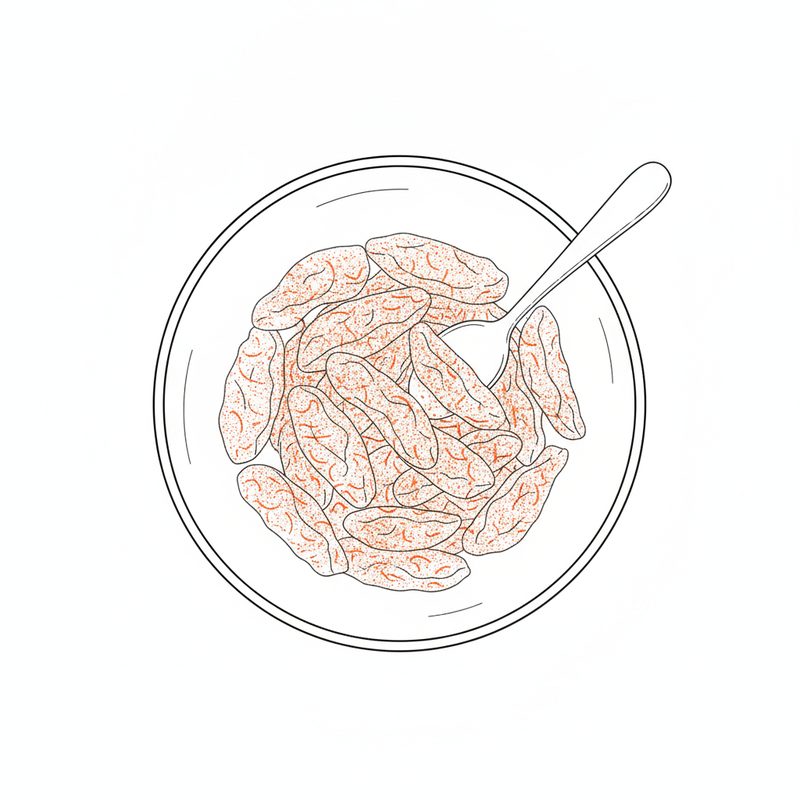
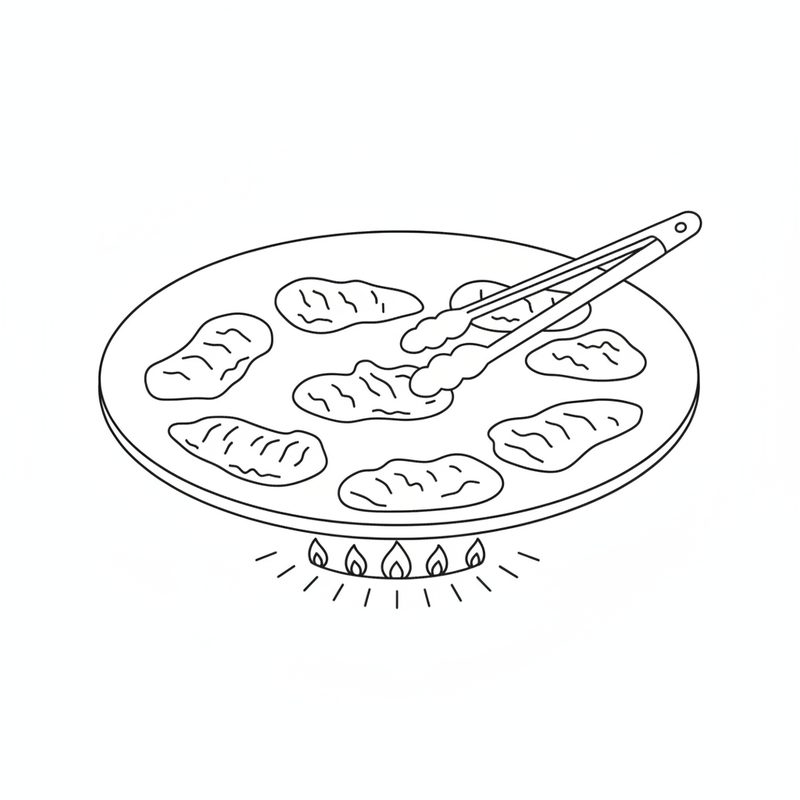
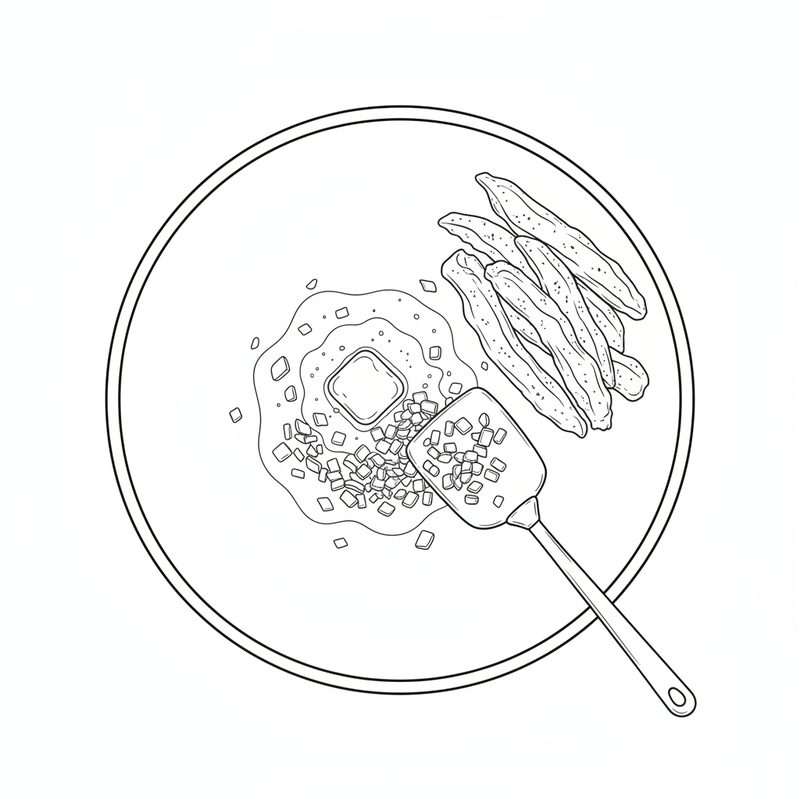
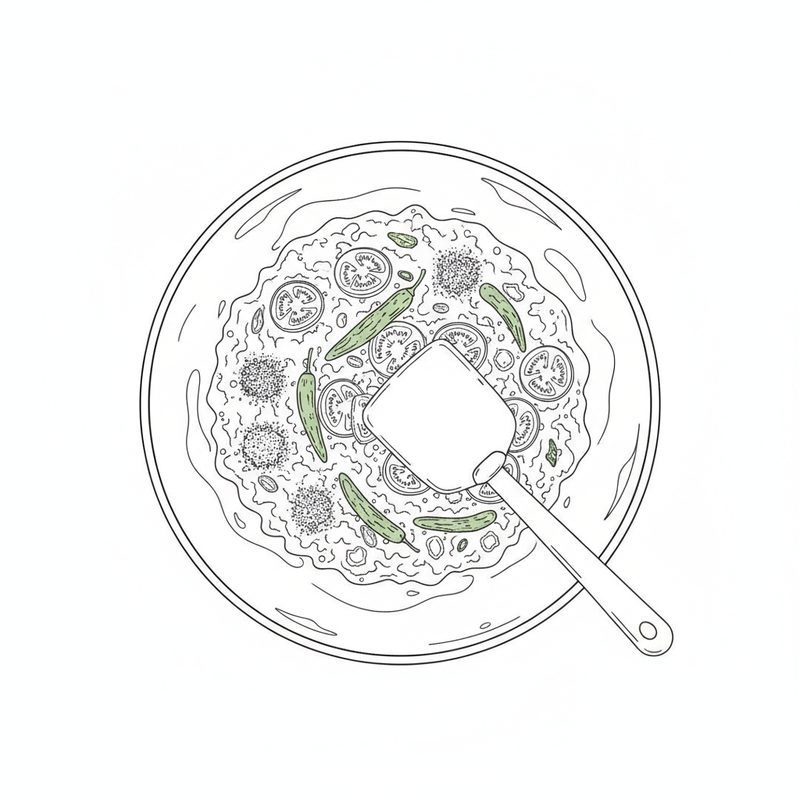
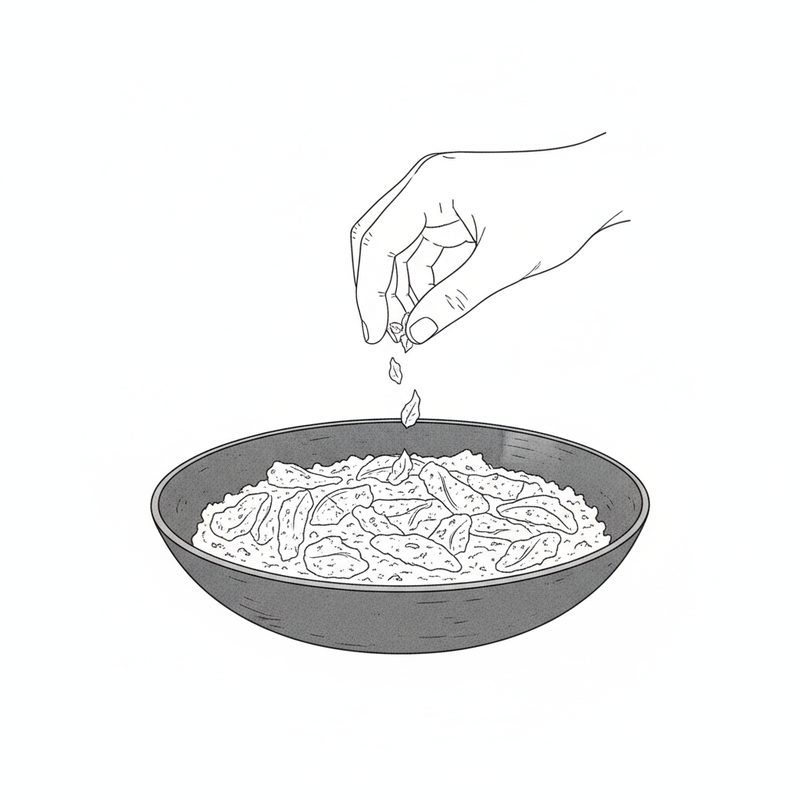
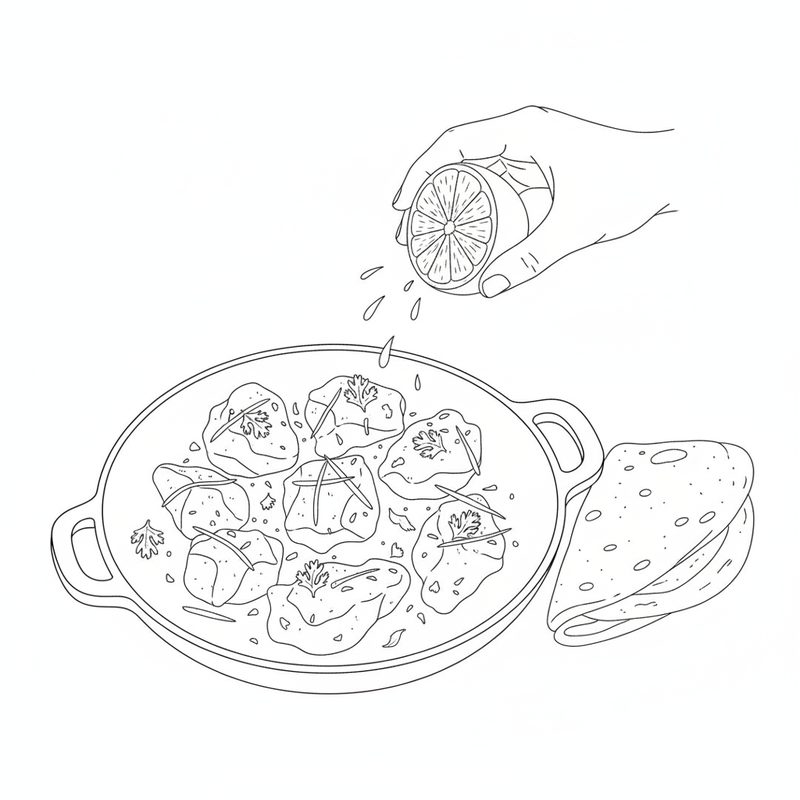
The full method, with quantities, is in the recipe card above.
Where the numbers on the card come from
Every quantity on the card is one that at least two independent publishers agree on, after scaling each recipe to the same 500 g (1 lb) of chicken. Eleven published versions were compared, including Sinfully Spicy, Masala TV, Ranveer Brar, Onmanorama, Pots and Pans, Food.com, Tasting Table and a Pakistani street-style recipe on Cookpad.
Spice heat is given as a range with a default, because the sources genuinely differ: red chilli powder runs from 1 tsp to 2 tsp for this weight of chicken, and green chillies from two to four. Start at the default and adjust next time.
Some things stayed off the card because no two sources matched. Sinfully Spicy toasts and grinds its own whole-spice tawa masala; Masala TV uses half a cup of ghee and half a cup of yogurt for half a kilo. The ginger garnish has no number because the sources disagree on how much. Prep and cook times are the middle of the sourced values. Nutrition is not given, because no source was checked for it.
Thighs, breast or leg quarters?
Boneless thighs are the best choice for a high-heat tawa, because they stay juicy if they cook a minute too long. Sinfully Spicy, Food.com and Pots and Pans all use thighs.
Breast works too, but it dries out quickly on high heat. Cut it slightly thicker than you would thigh and take it off as soon as it is cooked.
Leg quarters belong to the Lahori version described above. They need the covered, lower-heat stage to cook through to the bone, so they take longer than the boneless card.
Whichever cut you use, chicken pieces are safe to eat at an internal temperature of 74 °C (165 °F), the figure Health Canada gives for poultry breasts, legs, thighs and wings. Check the thickest piece with a probe thermometer.
The shorter route
Skip the separate sear and cook the chicken straight in the masala, the way the home-style version does. Soften the onion, add the tomatoes and spices, then add the marinated chicken and cook it uncovered until the masala is thick and the chicken is cooked through.
What you lose is the browned surface on the chicken, which is most of what separates tawa chicken from an everyday dry chicken masala. What you gain is one fewer step and no risk of a crowded pan.
What to serve with tawa chicken
Serve it hot, straight from the pan, with roti, paratha or naan to scoop it up; a soft peshwari naan works when you want something richer. Sinfully Spicy also suggests raita on the side, or wrapping the chicken in flatbread.
For a fuller spread, it sits well next to a chicken karahi or grilled chicken tikka if you are cooking for a crowd.
Questions people ask
Is tawa chicken the same as chicken karahi?
No. Tawa chicken is defined by the flat griddle: the chicken is seared on an open surface and finishes dry, with the masala clinging to the meat. Karahi is a separate dish named after a different pan.
Can I make tawa chicken without a tawa?
Yes. Use the widest heavy frying pan you have, ideally cast iron. Flour & Spice uses a 9-inch frying pan and Sinfully Spicy a 10- or 12-inch skillet.
Can I use chicken breast for tawa chicken?
Yes, but breast dries out faster than thigh on high heat. Cut it slightly thicker and stop cooking once the thickest piece reaches 74 C (165 F).
How spicy is tawa chicken?
It is meant to be hot. The card gives 1 to 2 tsp of red chilli powder and 2 to 4 green chillies for 500 g of chicken; the defaults of 1 tsp and 3 chillies give a medium heat.
How long should tawa chicken marinate?
At least 30 minutes. Longer is fine if the chicken goes in the fridge while it waits.