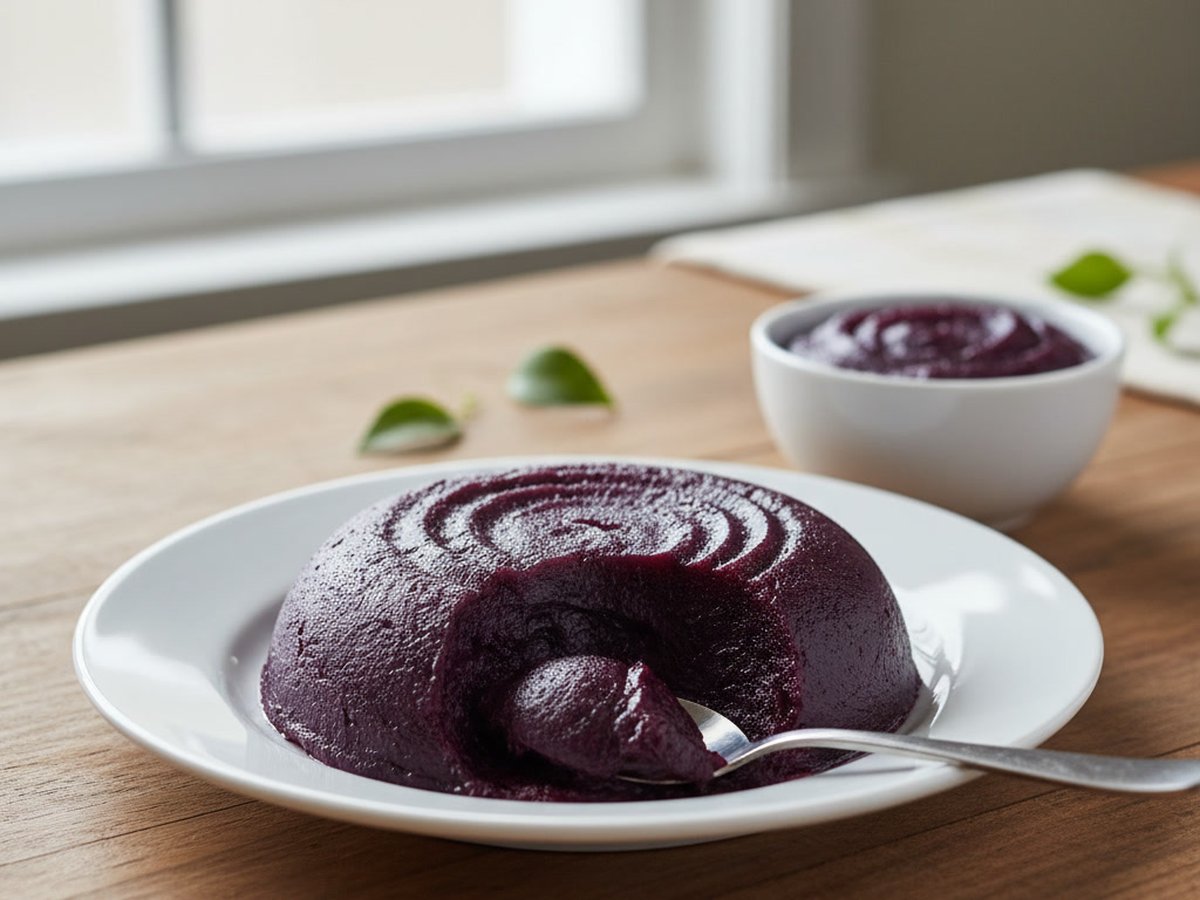
Ube halaya (Filipino purple yam jam) is grated purple yam cooked slowly with coconut milk, condensed milk and butter until it turns into a thick, glossy, deep violet paste. It tastes gently sweet, a little nutty, with a vanilla-like note from the yam and a rich, milky finish.
You need four ingredients and one wide pan. The work is the stirring: about 45 minutes over low heat, scraping the bottom the whole time, until the halaya pulls away from the pan and holds a line when you drag a spatula through it.
Last updated
Recipe
Ube Halaya (Filipino Purple Yam Jam)
Ingredients
Method
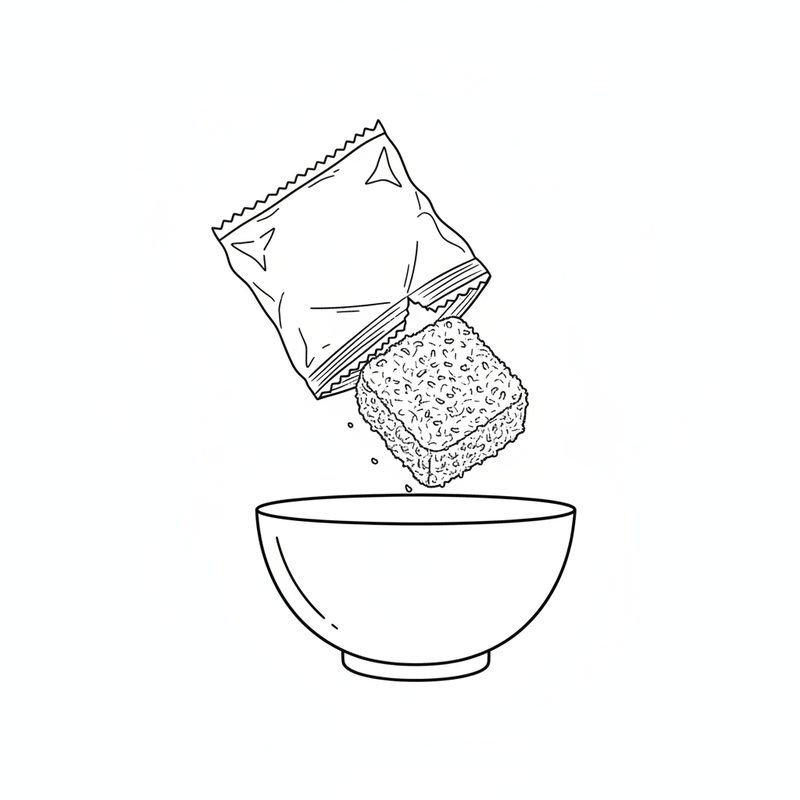
- Thaw the frozen grated ube completely. Tip it into a bowl and break up any icy lumps with a fork.
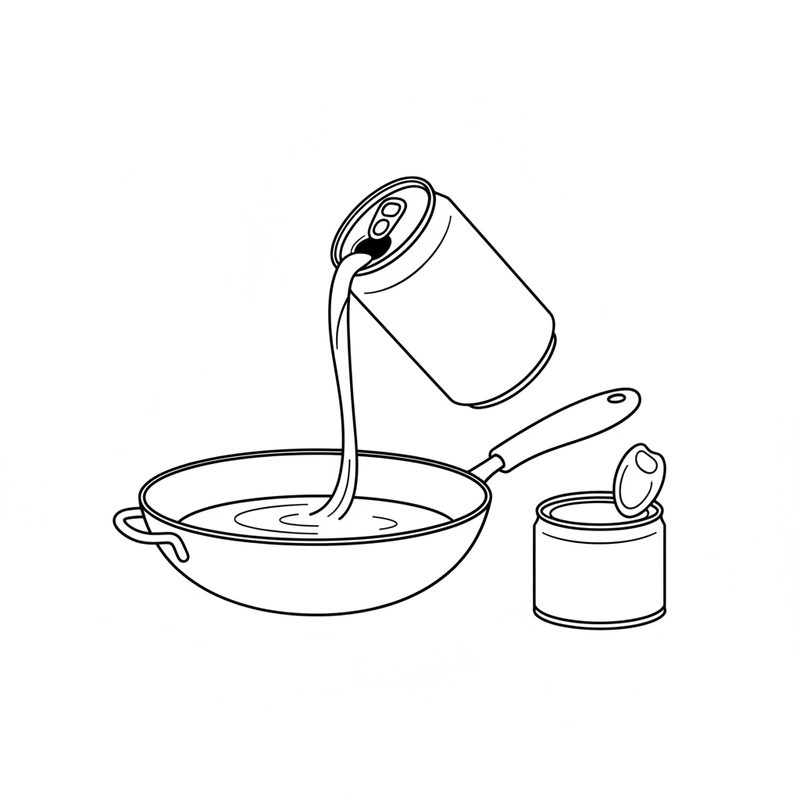
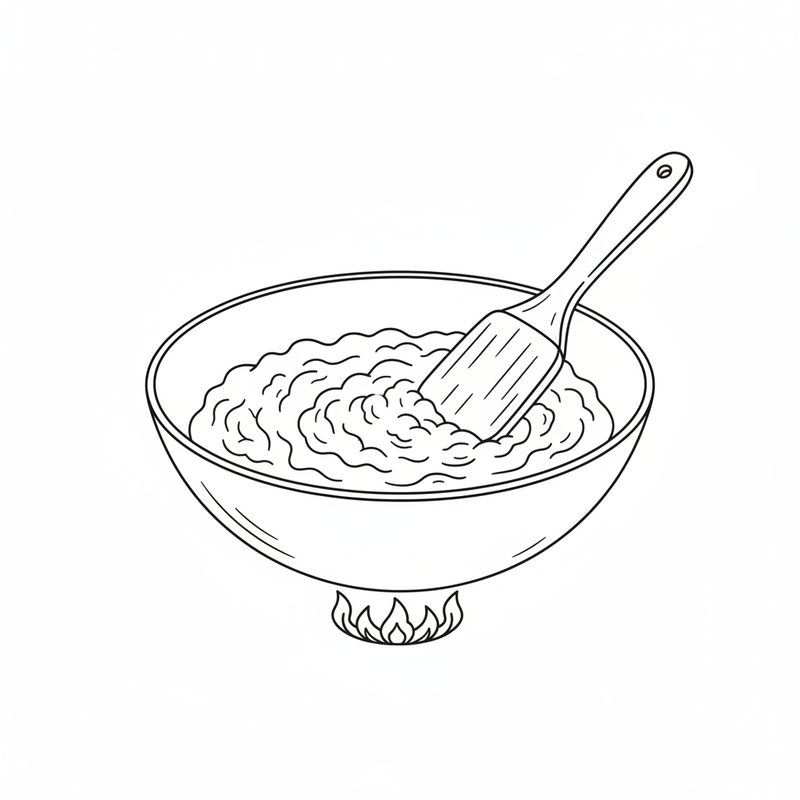
- Pour the coconut milk and the condensed milk into a wide non-stick pan or wok over medium heat. Stir and bring it just to a simmer.
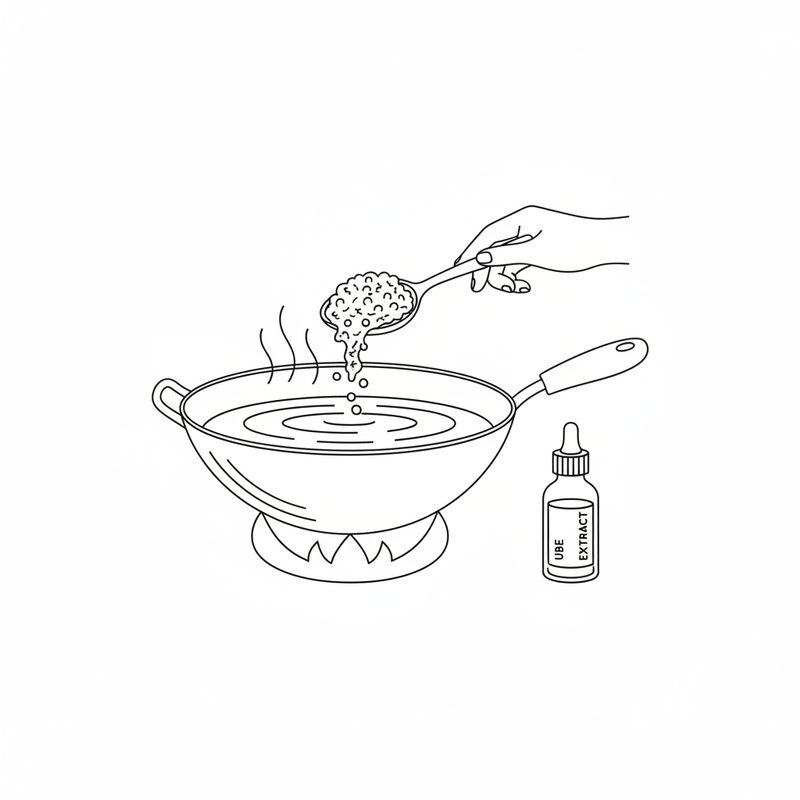
- Add the grated ube, and the ube extract if you use it. Stir until the colour is one even purple with no pale streaks.
- Turn the heat to medium-low. Cook for about 30 minutes, stirring and scraping the bottom and corners of the pan every minute or two. It should bubble lazily, never boil hard.
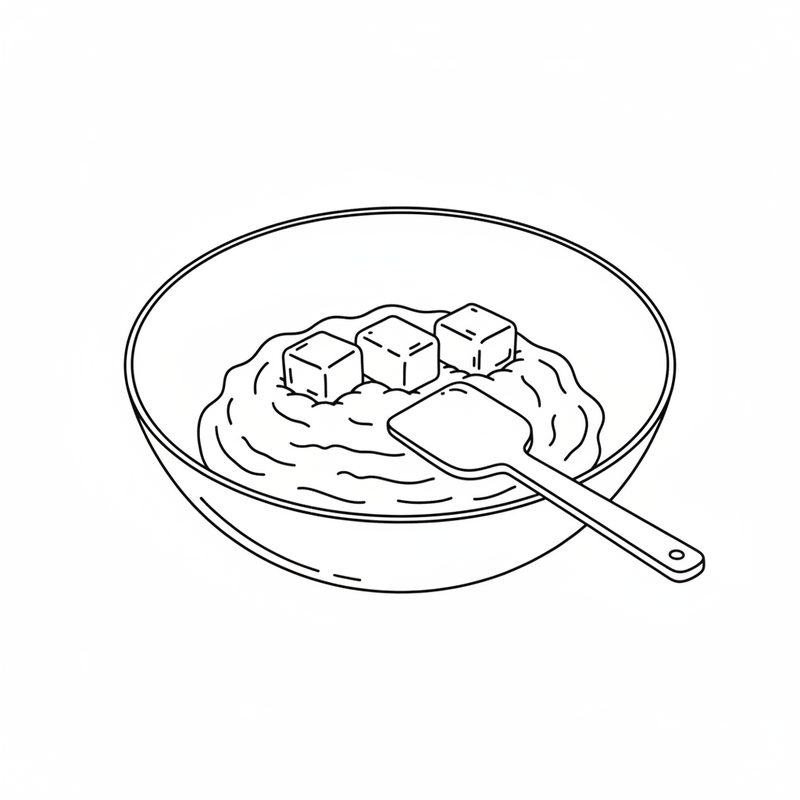
- Add the butter and the salt. Keep stirring for 10 to 15 minutes more, until the halaya is thick, glossy and darker, and a spatula dragged across the pan leaves a clear line for a second or two before it closes.
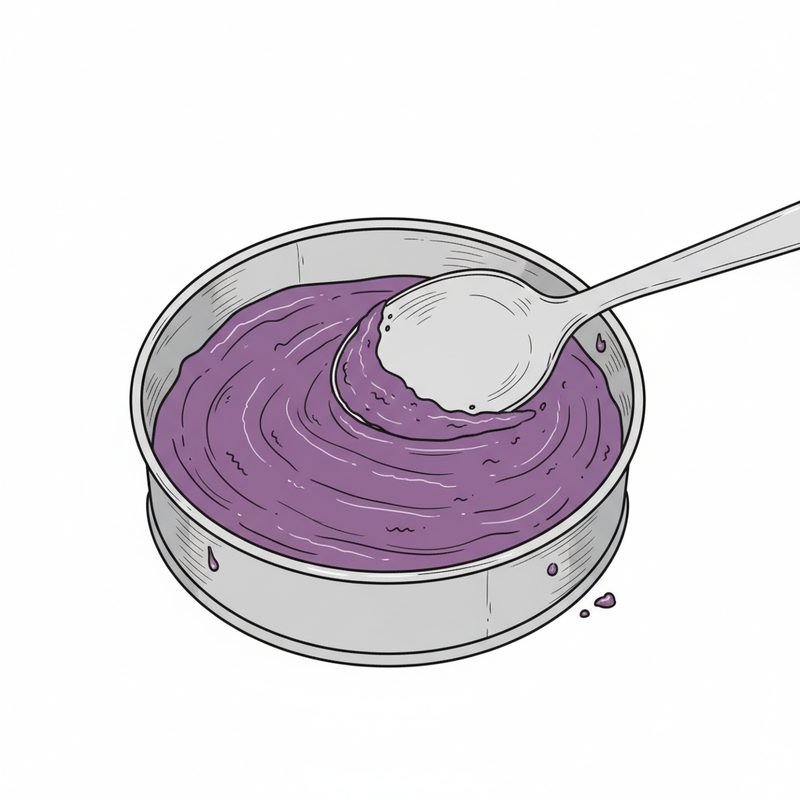
- Spoon it into a buttered container or oval tin mould, smooth the top, and let it cool completely. Cover and refrigerate.
What is ube halaya?
Ube halaya is a thick jam made from ube, the purple yam, and it is one of the best-known Filipino desserts. Halaya is the Filipino word for this kind of jam, so “ube jam” and “ube halaya” are two names for the same thing.
It is eaten on its own with a spoon, spread on bread, or used as a filling and topping in other ube desserts. Many cooks set it in an oval tin mould called a llanera, the same one used for leche flan, and top it with grated cheese or latik.
Ube is not taro and it is not purple sweet potato. If the difference is new to you, start with what ube is and how ube compares with taro.
Ube halaya ingredients
The most common version needs grated ube, coconut milk, condensed milk and butter. Every one has a job:
- Grated ube. Frozen grated ube is the easy choice, sold in 1 lb (454 g) packs in Filipino and Asian grocery freezers. Thaw it fully before cooking.
- Coconut milk. One standard can, 13.5 oz (400 ml). Full-fat, not the drinking kind. It gives body and the coconut flavour.
- Condensed milk. One 14 oz (300 ml) can. It is the sugar and most of the creaminess, so you do not add sugar on top.
- Butter. Added near the end for gloss and a smoother set. This recipe uses 4 tablespoons (60 g), the Serious Eats amount.
- Ube extract and salt are optional. The extract deepens the colour. A little salt keeps the sweetness from going flat.
The published recipes do not agree on the butter. Panlasang Pinoy uses 3 tablespoons, Serious Eats 4, and Woman Scribbles half a cup. Four is the middle and it sets well. More butter gives a softer, richer halaya.
Which milk is best for ube halaya?
Coconut milk plus condensed milk is the best starting point: it is the combination most ranking recipes share, and it needs no extra sugar. Coconut milk alone with sugar also works. Serious Eats makes it that way, with 3/4 cup (155 g) of granulated sugar in place of the condensed milk.
Some recipes add a can of evaporated milk as well, usually with fresh ube and brown sugar. That version is lighter and milkier, and it takes longer to reduce because there is more liquid to cook off.
Fresh ube or frozen grated ube?
Frozen grated ube is the shortcut, and here the shortcut is fine. It is already peeled and finely grated, so the texture comes out smooth without a blender.
Fresh ube needs boiling until a fork goes in easily, then peeling and mashing or ricing while warm. The recipes that use fresh yam use about 2 lb of it with more milk, so the batch is bigger. This recipe is written for grated ube, not ube powder. Powder is dehydrated and needs water added back first.
How to make ube halaya, step by step
 Thaw the grated ube.
- Warm the coconut milk and condensed milk.
- Stir in the ube until evenly purple.
- Cook low and slow, scraping the pan.
- Add butter and cook until it holds a line.
- Pack into a mould and cool.
How to tell when ube halaya is done
Ube halaya is done when it stops flowing. Drag a spatula through the middle of the pan: if the line stays open for a second or two before it closes, it is ready.
Other signs come together at the same point. The colour turns darker, the surface goes glossy from the butter, and the whole mass starts to follow the spatula around the pan instead of spreading back out.
It firms up as it cools, so take it off while it still looks a little softer than you want. Cooked too long, it turns stiff and dry at the edges.
Why ube halaya burns, and how to stop it
It burns because the sugar in the condensed milk catches on the bottom of the pan. The fix is low heat and constant scraping, not a higher flame to save time.
Use a wide non-stick pan or wok so more of the mix touches the heat evenly. Use a flat wooden or silicone spatula so you can reach the corners. If you see brown flecks, lower the heat and do not scrape the brown layer back into the halaya.
Toppings: cheese and latik
Grated cheese is the classic topping. Panlasang Pinoy tops its halaya with shredded cheddar, and the salty cheese against the sweet yam is the point.
Latik, the toasted curds left after cooking coconut milk down, is the other favourite. Woman Scribbles lists both as optional toppings. Add either one after the halaya has set.
What to make with ube halaya
Ube halaya is a building block as much as a dessert. Spread it on toast, spoon it over halo-halo, or use it as a filling for bread and pastries. For more ube baking, try ube cheese pandesal or ube leche flan.
Make-ahead and leftovers
Ube halaya is a make-ahead dessert. It needs to cool completely before serving anyway, and it slices more cleanly after a stay in the fridge.
Keep leftovers covered in the refrigerator, and use a clean spoon each time you take some out. The butter makes it firm when cold, so let a portion sit at room temperature for a few minutes before spreading it.
The recipe doubles well. Use a wider pan rather than a deeper one, and expect the stirring time to run longer.
Questions people ask
What is ube halaya made of?
Ube halaya is made of grated purple yam cooked with milk, sugar and butter. The most common version uses coconut milk and condensed milk; some add evaporated milk or use granulated sugar instead of condensed milk.
What is the difference between ube jam and ube halaya?
There is no difference. Halaya is the Filipino word for this jam, so ube jam and ube halaya are the same dish.
What is the best ube halaya recipe?
The most reliable version for a home cook is frozen grated ube, one can of coconut milk, one can of condensed milk and butter, cooked low for about 45 minutes while you scrape the pan. It needs no blender and no added sugar.
What kind of milk is best for ube halaya?
Coconut milk with condensed milk. It is the pairing most published recipes share. Evaporated milk can be added for a lighter, milkier halaya.
How long does ube halaya take to cook?
About 45 minutes of cooking on the stove, plus a few minutes of prep. Then it needs to cool completely before it sets.
Why is my ube halaya not purple enough?
Grated ube varies in colour from pack to pack, and cooking darkens it only a little. A teaspoon of ube extract is what most recipes use to deepen the colour.