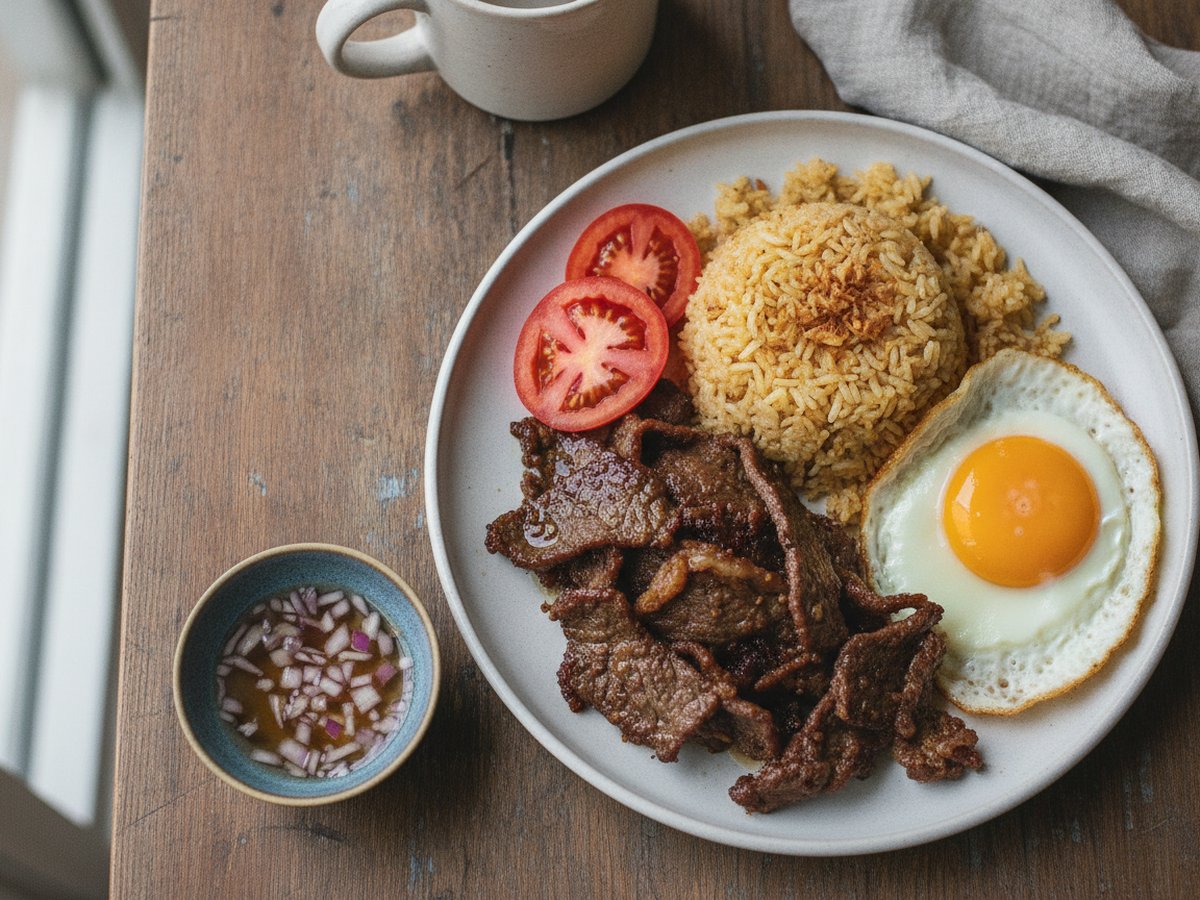
Beef tapa is Filipino cured beef: thin slices of sirloin marinated in soy sauce, vinegar, sugar, garlic and black pepper, then pan-fried until the edges go dark and sticky. It tastes salty, garlicky and a little sweet, with a sour edge from the vinegar. Served with sinangag (garlic fried rice) and a fried egg, it becomes tapsilog, the classic Filipino breakfast plate.
This is the meat version. If you want tapa without beef, the site has a vegan tapa recipe built on a plant-based base instead. Everything below is beef, and every number on the card comes from published recipes that agree with each other.
Last updated
Recipe
Beef Tapa Recipe (Filipino Cured Beef)
Ingredients
Method
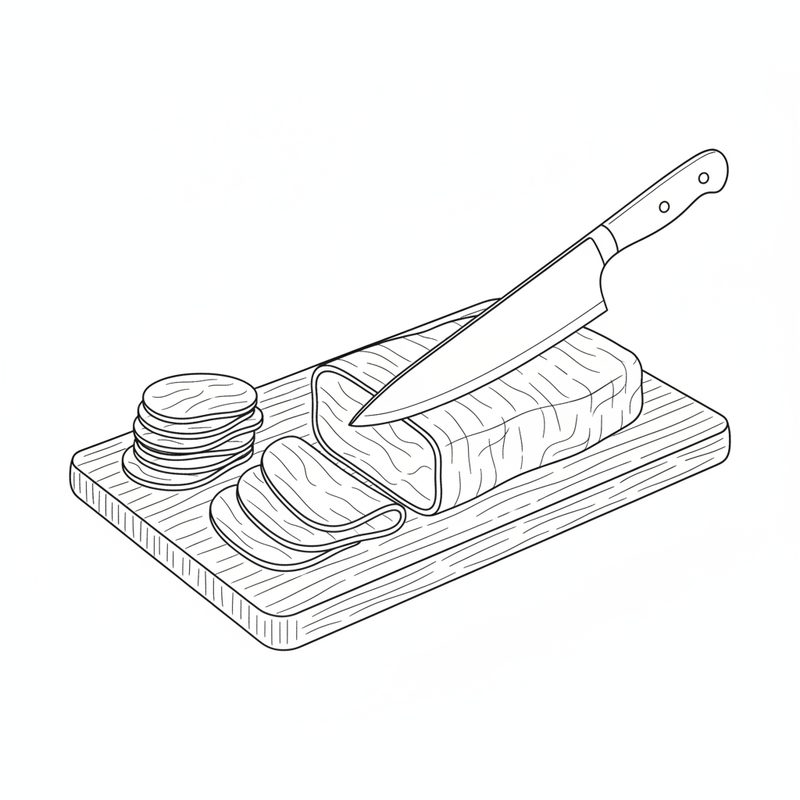
- Slice the beef thinly across the grain. If a slice is thicker than about 1/4 inch, pound it flatter.
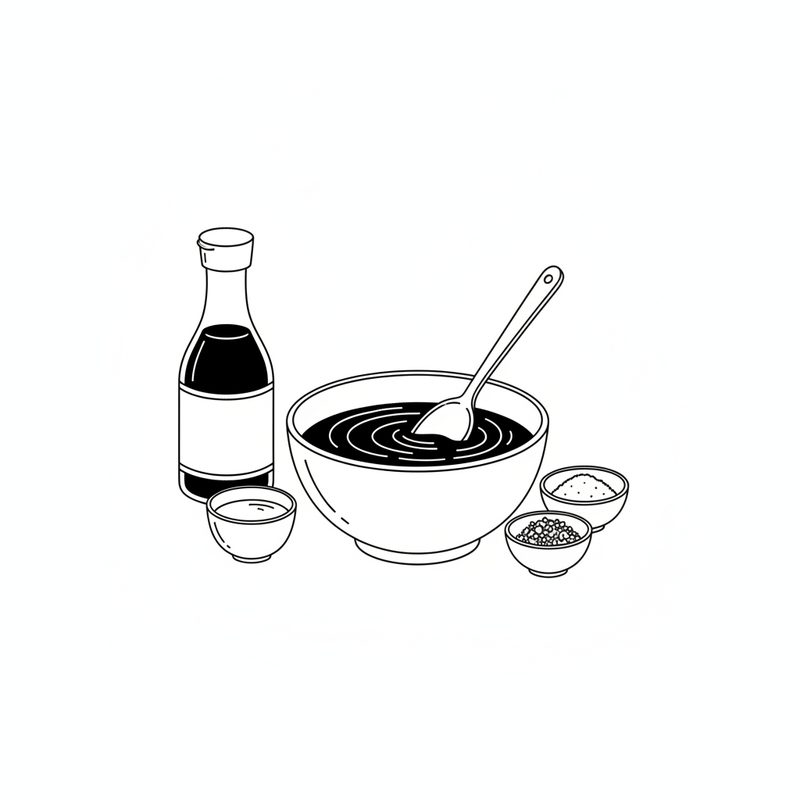
- In a bowl or lidded container, stir the soy sauce, vinegar, sugar, garlic, salt and pepper until the sugar dissolves.
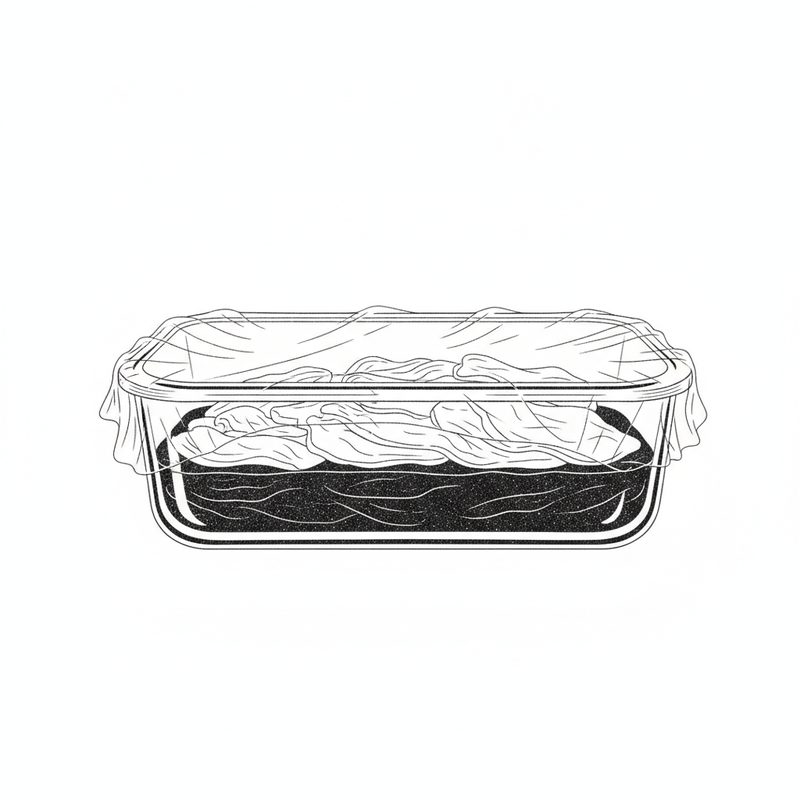
- Add the beef and turn every slice to coat it. Cover and refrigerate for at least 4 hours, preferably overnight, turning once.
- Lift the beef out of the marinade and let the excess drip off. Heat 1 tbsp of the oil in a wide pan over medium heat and lay in the slices in a single layer, frying in batches.
- Fry 3 to 5 minutes per side, until the edges are browned and caramelised and the liquid has cooked down to a thin glaze. Add the rest of the oil as needed between batches.
- Serve hot with garlic fried rice, a sunny-side-up egg and a small bowl of spiced vinegar.
What is beef tapa?
Beef tapa is thinly sliced beef cured in a salty, garlicky marinade and then fried. Wikipedia describes Filipino tapa as dried or cured meat, cut thin and cured with salt and spices as a way of preserving it. The same entry lists beef, pork, mutton and venison, and even fish.
The word is old. According to the same entry, tapa first meant fish or meat preserved by smoking, and only later came to cover meat preserved in other ways. Most home recipes now skip the drying and treat tapa as a marinated beef you cook the same day or the next morning.
What is tapa made of?
Tapa is made of beef, soy sauce, an acid, sugar, garlic, salt and black pepper. That is the whole list. The acid is usually vinegar; some cooks use calamansi or lemon juice instead.
Each part does one job. Soy sauce and salt cure and season. Vinegar or citrus brings the sour note that keeps the sugar from tasting like dessert. Sugar is what caramelises in the pan and gives tapa its glossy, dark edges. Garlic is there in quantity, on purpose.
Beef tapa, vegan tapa and tocino
Beef tapa is savoury first and sweet second. That is the main difference from Filipino tocino, which is cured pork and leans clearly sweet. Both are breakfast meats, both fry until caramelised, and both go with garlic rice and an egg.
The vegan tapa on this site borrows the same flavours and the same serving style without the meat. Make this one when you want the chew and the beefiness; make that one when you want the breakfast without either.
What beef is best for tapa?
Sirloin is the best beef for tapa. Four of the six recipes behind this page call for it by name, and it is the cut most of them were written around. It is tender enough to fry quickly and lean enough to slice cleanly.
Flank steak works too. BiteSized builds its tapa on flank, sold as camto in the Philippines. It has a stronger grain, so slicing across it matters even more.
How you cut it matters more than which cut you buy. Slice across the grain and keep the slices thin. Foxy Folksy goes further and pounds each slice to about a quarter inch, which is a good move if your slices came out thicker than you wanted.
The marinade: six recipes compared
The recipes agree on the ingredients and disagree on the amounts. Here is what each one uses for every pound of beef, scaled from its own quantities.
| Per 1 lb beef | Soy sauce | Acid | Sugar | Garlic |
|---|---|---|---|---|
| Panlasang Pinoy | 3 1/3 tbsp | none | 1 1/3 tbsp | 2 tbsp minced |
| Foxy Folksy | 6 tbsp | 6 tbsp lemon or calamansi | 1 tsp | 2 tbsp minced |
| The Unlikely Baker | 5 1/2 tbsp | 5 1/2 tbsp vinegar | 5 1/2 tbsp brown | about 9 cloves |
| Pinoy Cooking Recipes | 2 1/2 tbsp | 3 1/2 tbsp vinegar | 3 tbsp | 1 head |
| Instacart | 4 tbsp | 2 tbsp vinegar | 2 tbsp brown | 3 cloves |
| BiteSized | 3 2/3 tbsp | vinegar and calamansi | 1 3/4 tbsp | about 1 tbsp |
Where two or more agree, the card uses their number: 1/4 cup soy sauce, 2 tablespoons sugar and 2 tablespoons garlic per pound. On vinegar and salt nobody agrees, so the card follows one named recipe each. The vinegar comes from Pinoy Cooking Recipes, which also sits in the middle of the three plain-vinegar versions. The salt comes from Instacart, again the middle value. Pepper is a range because the recipes run from under 1/4 to 1 teaspoon.
How long to marinate beef tapa
Marinate beef tapa for at least 4 hours, and overnight if you can. Four of the six recipes recommend overnight, and Panlasang Pinoy asks for a full 12 hours. Two say one hour is the minimum. It works, but the flavour stays on the surface.
The easy way: mix the marinade in the container you will store it in, add the beef, turn every slice so it is coated, cover it and put it in the fridge. Turn it once if you remember. That is all the work there is. Always marinate in the fridge, never on the counter.
Want it more tender? Foxy Folksy tosses the beef with baking soda before the marinade goes in, 1/4 teaspoon for half a pound. It is optional.
How to cook tapa so it caramelises
Fry it in a little oil, in one layer, over medium heat, and leave it alone. The recipes give 3 to 5 minutes a side per batch. You are watching for two things: the edges turning dark brown, and the liquid in the pan cooking off until only a thin glaze is left.
Lift the beef out of the marinade first and let the excess drip back into the bowl. Too much marinade in the pan and the beef boils instead of browning. BiteSized takes this further, laying the slices on a rack in front of a fan for an hour before frying.
Do not crowd the pan. Fry in batches and add oil as you go. A crowded pan steams.
There is a second method. Panlasang Pinoy simmers the beef in a cup of water with a few tablespoons of oil until the water is gone, and the tapa then fries in the oil left behind. It is slower, but it is forgiving with a tougher cut.
The card has no cook time, on purpose. The recipes give anywhere from 12 to 30 minutes, depending mostly on how many batches you fry. A number that wide would not help you, so the visual cues do the job instead. The same goes for prep time, which ranges from 10 to 50 minutes.
Beef tapa, step by step
 Slice the beef thin, across the grain.
- Stir the marinade until the sugar dissolves.
- Cover the beef and marinate it in the fridge.
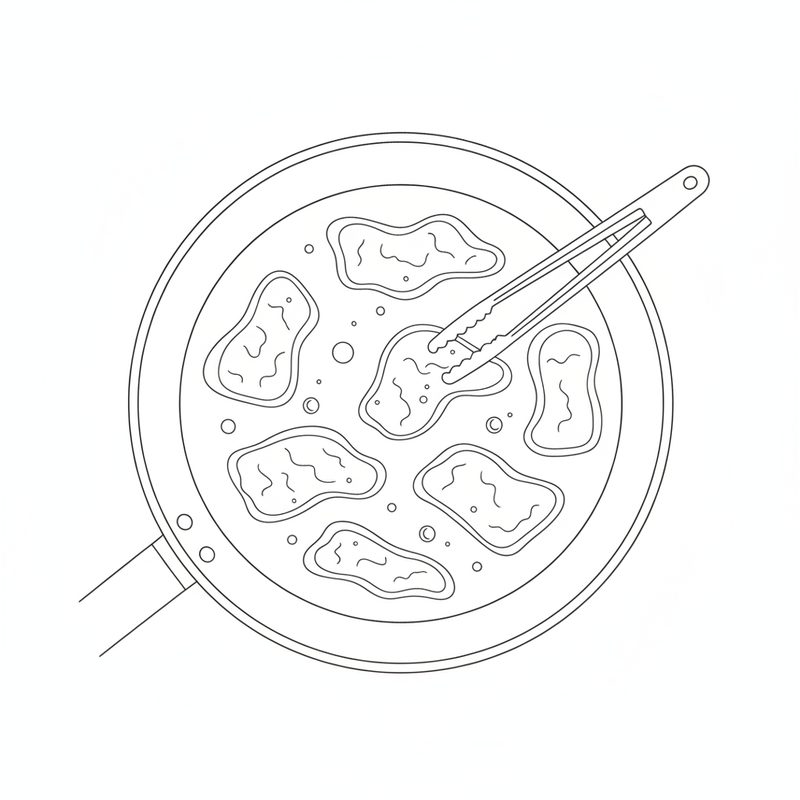
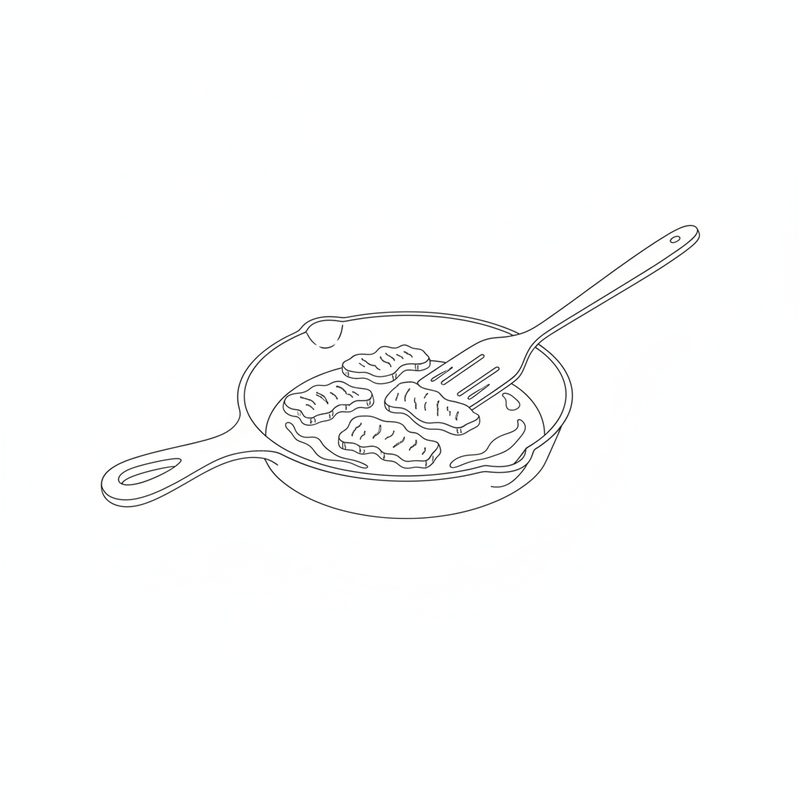
- Fry the slices in one layer, in batches.
- Turn them until browned and the pan is nearly dry.
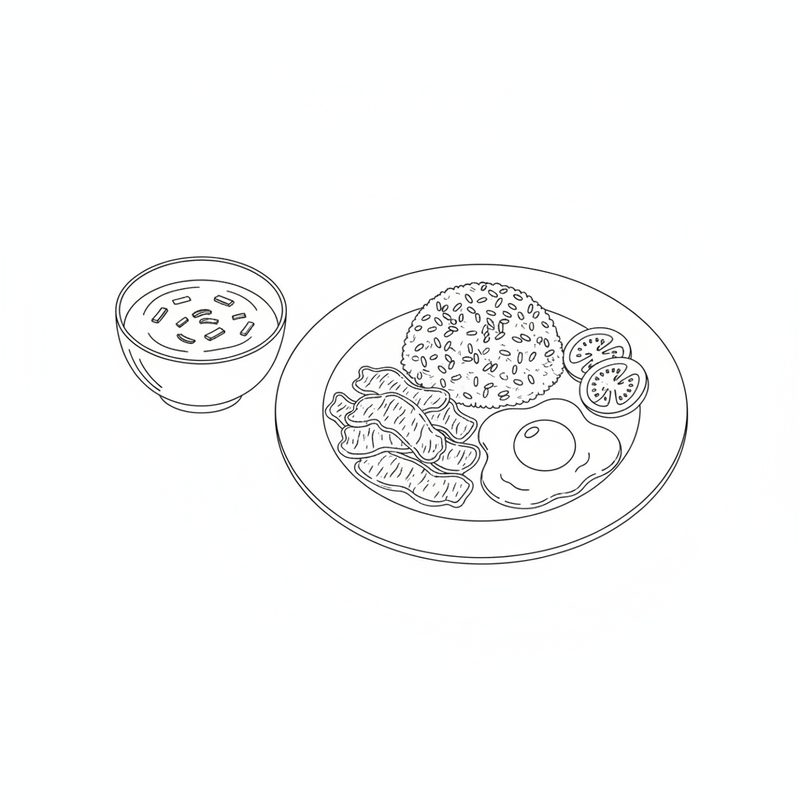
- Serve with garlic rice, a fried egg and vinegar.
How to serve it as tapsilog
Serve beef tapa hot, with sinangag and a sunny-side-up egg. That is tapsilog: tapa, sinangag and itlog, the Tagalog word for egg, squeezed into one name. It is a breakfast plate first.
Put a dipping bowl of vinegar next to it. Vinegar with chopped onion and siling labuyo is the usual one; banana ketchup is the other common choice. For something sour and crunchy on the side, add sliced tomatoes or atchara, the pickled green papaya relish.
Variations
- Calamansi instead of vinegar. Foxy Folksy uses lemon or calamansi juice as its only acid. The tapa tastes brighter and less sharp.
- Spicy tapa. The Unlikely Baker adds chopped red chillies to the marinade.
- No acid at all. Panlasang Pinoy leaves the vinegar out entirely, for a rounder, saltier tapa.
- Gin and Worcestershire. BiteSized adds gin and Worcestershire sauce and uses rice vinegar.
Make ahead and leftovers
Tapa is a make-ahead dish by design. Marinate it the night before and breakfast is only the frying.
You can make a bigger batch and freeze the raw, marinated slices flat in portions. Thaw a portion in the fridge overnight, then fry it as usual.
Leftover cooked tapa goes in the fridge once it has cooled. Reheat it in a hot pan, not the microwave, so the edges crisp up again.
Questions people ask
Is beef tapa cured or marinated?
Traditionally it is cured: salted and spiced to preserve it, and sometimes dried. Most home recipes today marinate it in the fridge for a few hours or overnight and cook it straight after, which is what this recipe does.
Can I use lemon instead of calamansi or vinegar?
Yes. Foxy Folksy lists lemon juice and calamansi juice as interchangeable, and uses 3 tablespoons for half a pound of beef in place of vinegar.
Why is my beef tapa tough?
Usually the slices are too thick or were cut with the grain. Slice thin and across the grain, or pound the slices flatter. Foxy Folksy also tenderises the beef with 1/4 teaspoon of baking soda per half pound.
How long does beef tapa take to cook?
About 3 to 5 minutes per side for each batch. The total depends on how many batches you fry, which is why the published recipes range from 12 to 30 minutes.