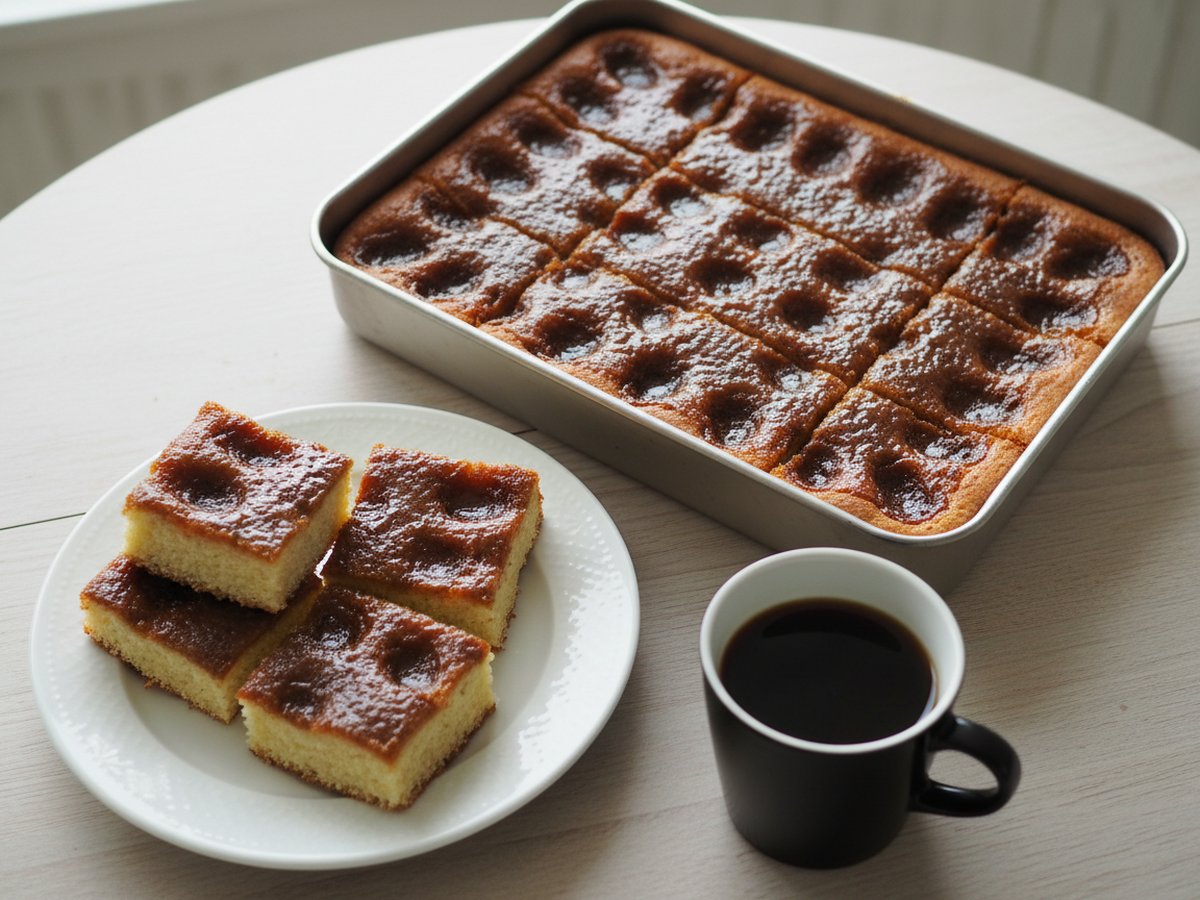
Brunsviger (roughly BROON-svee-er) is a Danish coffee cake: a flat, soft yeast dough baked in a tin with melted butter and brown sugar poured into deep finger dimples, so the top turns to a sticky caramel and the dimples stay wet. It is cut into squares and eaten with coffee.
It is not a cake in the American sense. There is no batter and no crumb topping, just an enriched bread dough and a very generous glaze. This recipe makes one 23 x 33 cm (9 x 13 inch) tin, 12 pieces, and every number on the card comes from published recipes, named further down.
Last updated
Recipe
Brunsviger Recipe (Danish Coffee Cake)
Ingredients
Dough
Topping
Method
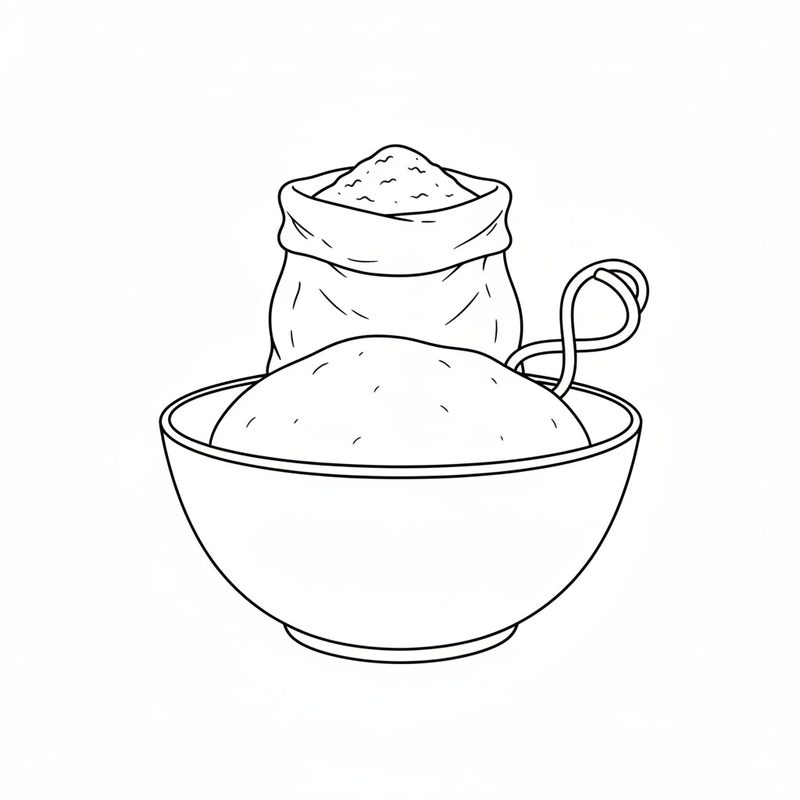
- Warm the milk to about 40°C (105°F), so it feels warm but not hot. Stir in the yeast and leave it for 5 to 10 minutes, until it foams.
- Add the sugar, egg, melted butter, salt and cardamom, if using. Add the flour a little at a time and knead for 6 to 10 minutes, by hand or with a dough hook, until the dough is smooth, elastic and slightly sticky. Cover and leave to rise for about 1 hour, until doubled.
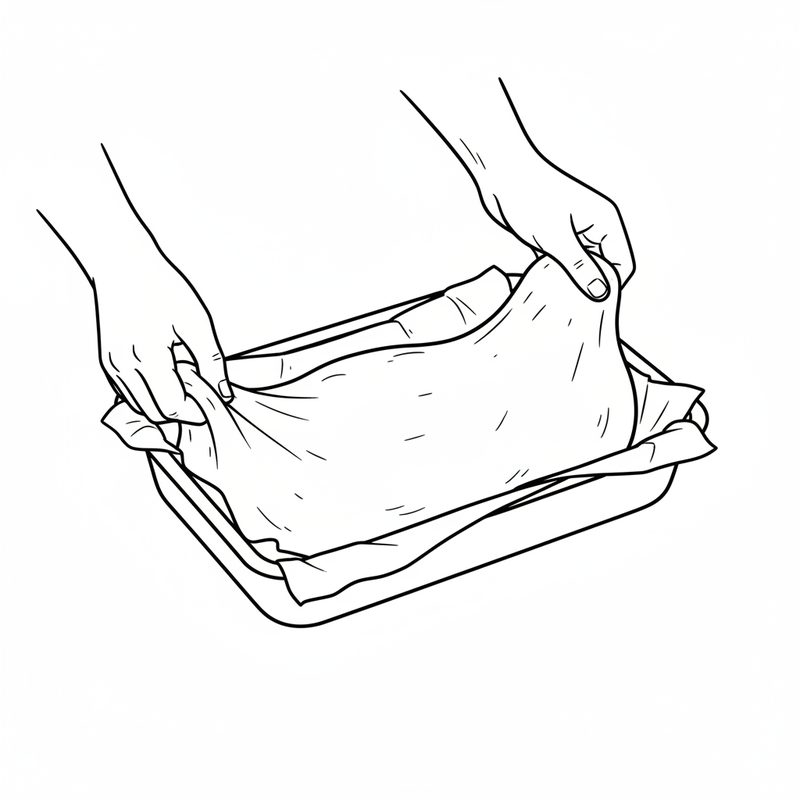
- Line a 23 x 33 cm (9 x 13 inch) tin with baking paper. Tip the dough in and stretch it gently into the corners. Cover and leave to rise again for 20 to 45 minutes, until puffy.
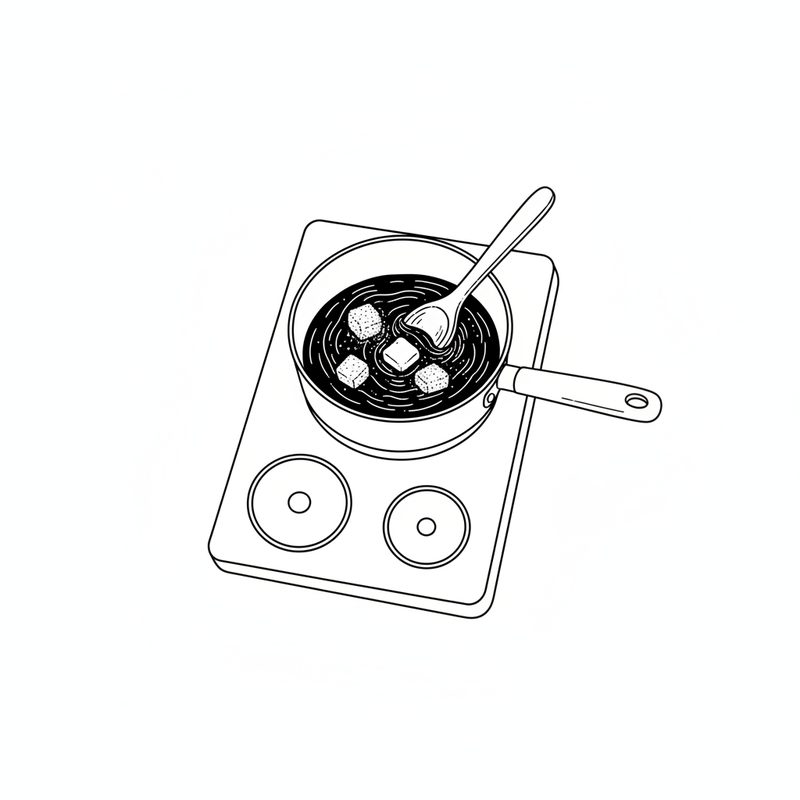
- While it rises, heat the oven to 200°C (400°F). Melt the butter, brown sugar and syrup together over low heat, stirring until the sugar has dissolved and the mixture just begins to bubble. Take it off the heat and let it cool slightly.
- Press deep dimples all over the dough with your fingertips, down to the bottom of the tin but not through the dough.
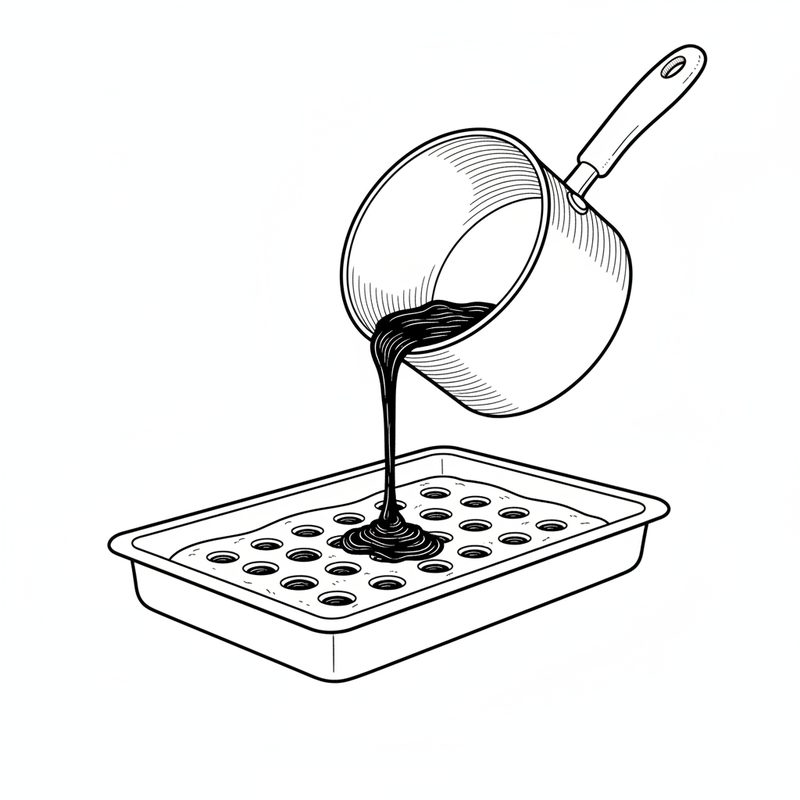
- Pour the warm topping over the dough so it fills the dimples. Keep it away from the sides of the tin.
- Bake in the middle of the oven for about 20 minutes, until the edges are golden and the topping is bubbling. Let it cool a little in the tin, then cut into 12 squares.
What is brunsviger?
Brunsviger is a sheet of soft, lightly sweet yeast dough topped with brown sugar and butter, baked until the topping bubbles and sinks into the surface. In English it is usually called Danish coffee cake.
It comes from Funen (Fyn), the island between Zealand and Jutland. Sunday Baker, My Danish Kitchen, Everyday Delicious and Skandibaking all place it there, and Everyday Delicious notes that outside Funen it is much less common in Danish bakeries.
What does brunsviger taste like?
It tastes like a soft white bun under a layer of butterscotch. The dough itself is only mildly sweet. The sweetness sits in the topping, which is dark, a little salty from the butter, and sticky where it has pooled in the dimples.
Skandibaking compares it to a cinnamon roll without the cinnamon, which is fair. Some recipes add cardamom to the dough, which moves it closer to a Danish bun. That is optional here.
When Danes eat it
Brunsviger is an afternoon coffee cake, and it is also the base of the kagemand, the birthday cake shaped like a boy or a girl and covered in sweets. Scandinavian Cookbook, Sunday Baker and Skandibaking all describe that use.
Serve it slightly warm, with coffee, which is how Everyday Delicious recommends it.
The dough, and why it is soft
The dough is an enriched one: milk, one egg and melted butter. That is what keeps it tender enough to press out without a rolling pin. It should come out of the mixer smooth and slightly sticky. If you add flour until it stops sticking, the cake will be dry.
The flour, milk and butter amounts follow Sunday Baker and My Danish Kitchen, which agree on about 420 g of flour to 2.4 dl of milk and 85 g of melted butter for this tin size. Four of the five sources name plain (all-purpose) flour.
Dried yeast is used on the card because it is easy to buy everywhere. Danish recipes often use fresh yeast, and Scandinavian Cookbook gives 25 g fresh as its substitute. Dissolve it in the warm milk in the same way.
A hand mixer with dough hooks takes the work out of kneading this soft, enriched dough. If you use a 2-in-1 hand and stand mixer, knead in hand mode — our Hamilton Beach Classic Stand and Hand Mixer review explains why.
The topping, and how much of it
The topping is butter and brown sugar melted together, with a spoonful of syrup if you like. This is where recipes differ most. The card uses 115 g of butter and 150 g of dark brown sugar, as in Everyday Delicious, which sits close to Scandinavian Cookbook (about 128 g butter, 3/4 cup sugar) and matches the sugar in My Danish Kitchen.
Sunday Baker uses 170 g of butter and 215 g of sugar, and My Danish Kitchen a full cup of butter. If you want a wetter, stickier top, scale the topping up towards those. Skandibaking offers the same choice: its base topping is 100 g of each, raised to 150 g of each for more.
Dark brown sugar or muscovado gives the deeper colour. Light brown sugar works, but the top will be paler. The syrup is optional. Scandinavian Cookbook lists light syrup or maple syrup, and Everyday Delicious uses maple.
Brunsviger, step by step
 Warm the milk and wake up the yeast.
- Knead a soft dough and let it double.
- Stretch the dough into the lined tin.
- Melt the butter, brown sugar and syrup.
- Pour the topping into the dimples.

Why the dimples matter
The dimples are the recipe. Press your fingers down until they touch the bottom of the tin, but do not tear through the dough. Shallow dents close up again in the oven and the topping runs off to the edges.
Pour the topping over while it is warm and still liquid, and keep it off the sides of the tin, as Sunday Baker advises. Sugar that reaches the hot metal burns before the middle is baked.
Where the numbers come from
Five published recipes were compared: Scandinavian Cookbook, Sunday Baker, My Danish Kitchen, Everyday Delicious and Skandibaking. All five bake at 200°C (400°F). Three use a 23 x 33 cm (9 x 13 inch) tin, and three give 12 pieces.
The bake time on the card, 20 minutes, is the median of the five: 15, 15, 20, 20 and 25. The first rise is an hour in three of them. The second rise runs from 20 minutes (Scandinavian Cookbook, My Danish Kitchen) to 45 (Sunday Baker), so it is given as a range.
No prep time or total time is given on the card. The sources state totals between 75 and 140 minutes, depending mostly on how long the dough rises, and a single number would be a guess. Allow about two hours from mixing to cutting. Nutrition is not given because no source measured it.
What goes wrong, and what it looks like
The topping is grainy. The sugar did not dissolve. Keep stirring over low heat until the mixture is smooth and just starts to bubble, then take it off.
The topping burned at the edges. It was poured onto the sides of the tin, or the oven runs hot. Bake in the middle of the oven and check at 15 minutes.
The cake is dense. The dough did not rise enough, usually because the milk was too hot for the yeast or the kitchen was cold. The milk should feel warm on your wrist, about 40°C, not hot. Give the dough the full rise, until doubled.
The bottom is soggy. Too much topping for the dough, or it came out too early. The edges should be golden and the dough should look set between the dimples.
Storing and reheating
Brunsviger is best on the day it is baked. Covered at room temperature it keeps for up to 3 days, as Everyday Delicious notes. It stales like bread, so a few minutes in a warm oven helps a day-old piece.
More Danish baking
If you like yeast doughs with butter and sugar, try the kanelsnegle (cinnamon snails) or a Danish kringle. For something plainer with coffee, there are soft raisin buns, or the cream-filled fastelavnsboller at Shrovetide.
Questions people ask
What is brunsviger in English?
Brunsviger is usually called Danish coffee cake in English. It is a soft yeast cake baked in a tin with a brown sugar and butter topping poured into dimples in the dough.
What is Danish brunsviger?
It is a sheet cake from the island of Funen, made from an enriched yeast dough and a melted butter and brown sugar topping. Danes eat it with afternoon coffee and use the same dough for the kagemand birthday cake.
How do you pronounce brunsviger?
Roughly BROON-svee-er, the spelling Everyday Delicious gives. The g is soft and almost disappears.
Can I make brunsviger the day before?
You can, but it is best on the day it is baked. Keep it covered at room temperature and warm it briefly in the oven before serving.
Is brunsviger the same as a kagemand?
Not quite. A kagemand is brunsviger dough shaped like a person and decorated with sweets for a birthday. The dough and topping are the same; only the shape changes.