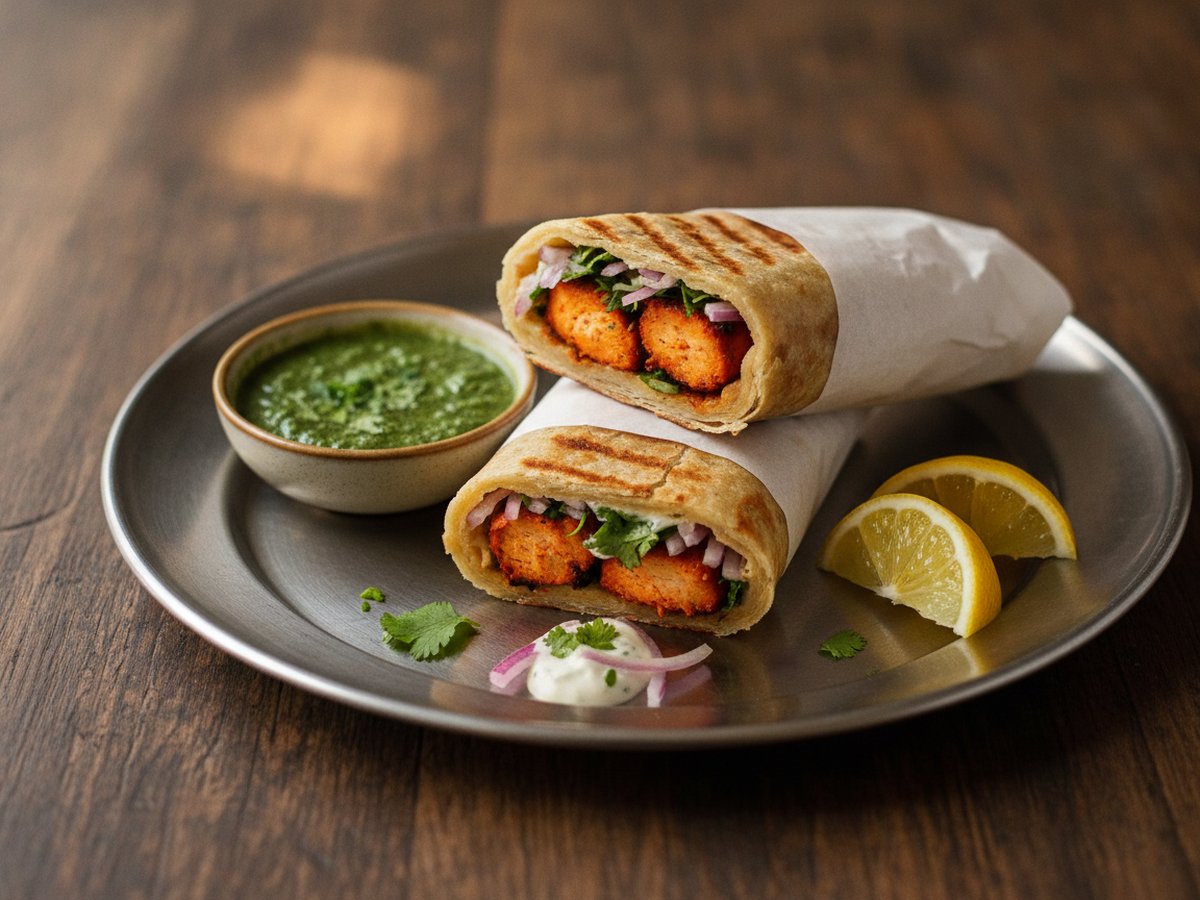
A chicken paratha roll is spiced, yogurt-marinated chicken cooked hot until it chars, then rolled inside a flaky paratha with garlic mayo, green chutney, raw onion and fresh coriander. This recipe makes 6 rolls from 500 g of boneless chicken. The chicken needs at least 30 minutes in the marinade and about 20 minutes in the pan.
One thing decides whether it tastes like the street version or like an ordinary wrap: the chicken has to cook until the marinade dries onto it and the edges blacken in places. Pale chicken sitting in its own liquid makes a soggy, flat-tasting roll.
Last updated
Recipe
Chicken Paratha Roll (Pakistani Street-Style Roll)
Ingredients
For the chicken
For the garlic mayo
To assemble
Method
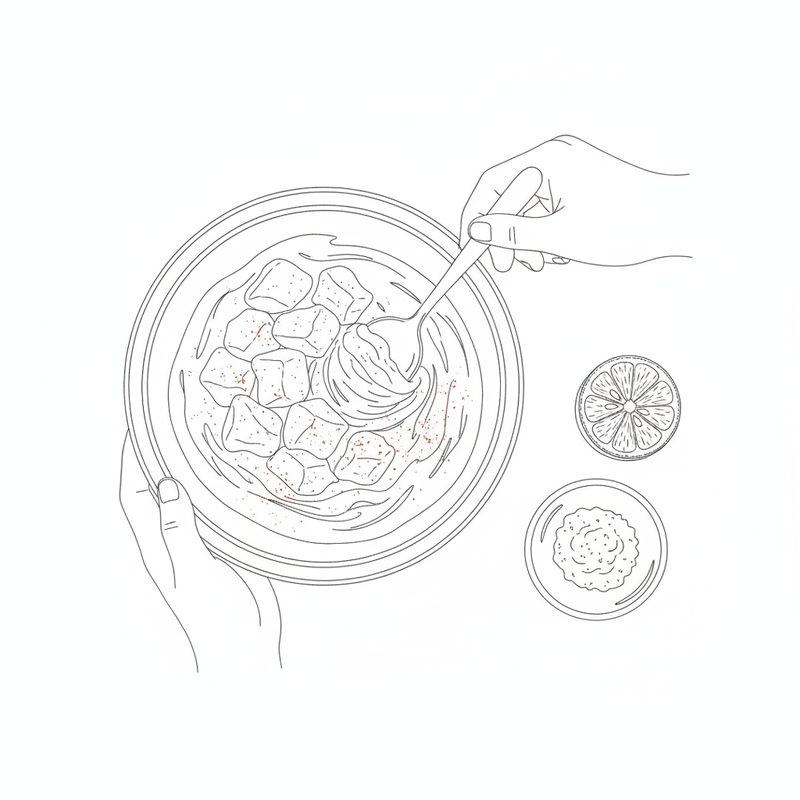
- Mix the yogurt, ginger-garlic paste, lemon juice, salt, chilli powder, cumin, coriander, garam masala, turmeric, and the green chilli paste and food colour if using. Add the chicken, coat every piece, cover and refrigerate for at least 30 minutes, or a few hours.
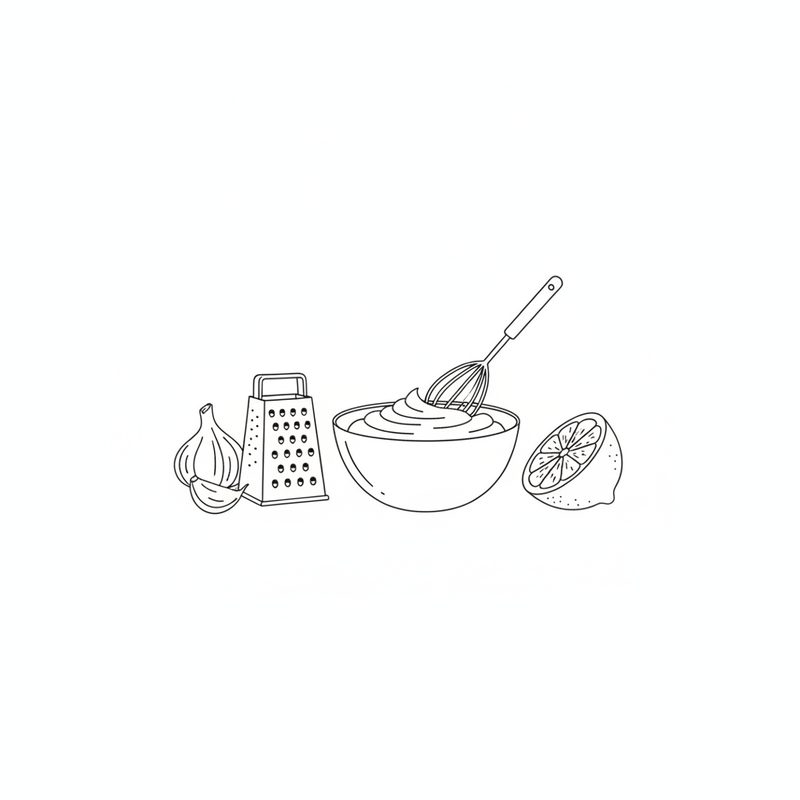
- Stir the garlic into the mayonnaise with a little lemon juice and salt. Taste, adjust, and chill until needed.
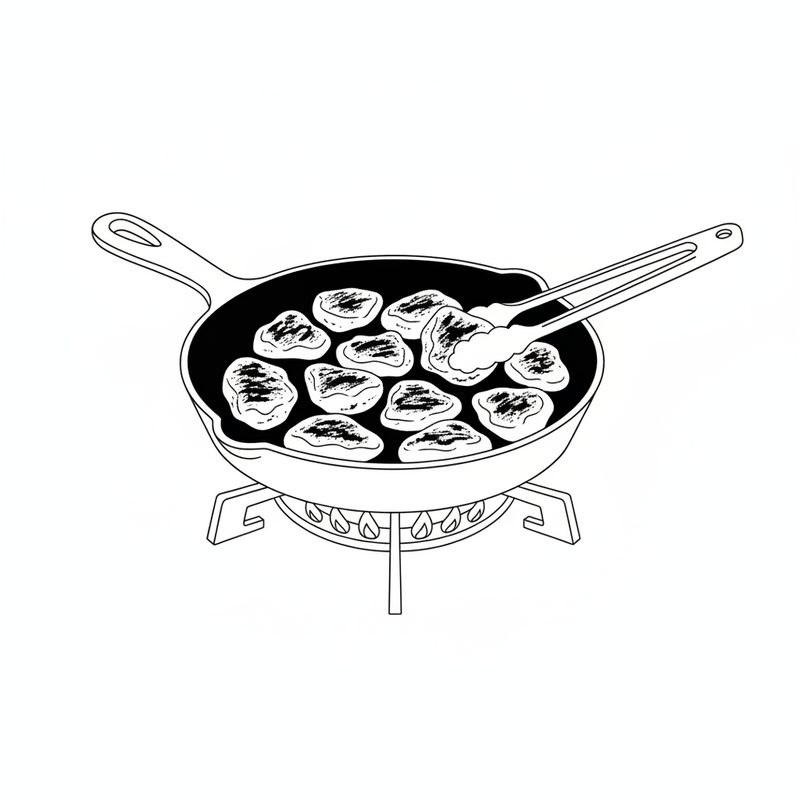
- Heat the oil in a wide, heavy pan over medium-high heat. Add the chicken in a single layer, in batches if needed, and leave it for 5 to 6 minutes until charred underneath. Turn and cook until cooked through with no pink in the middle, raising the heat at the end until any liquid has cooked off.
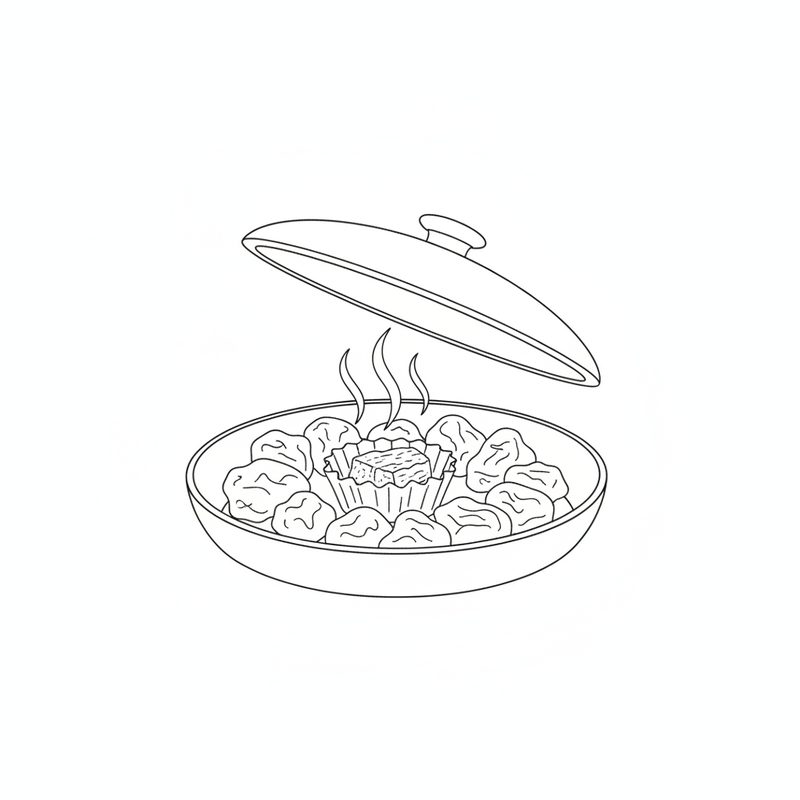
- Optional: set a small piece of glowing charcoal in a foil cup in the centre of the pan, drip a little oil onto it and cover for 2 minutes to smoke the chicken. Remove the coal.
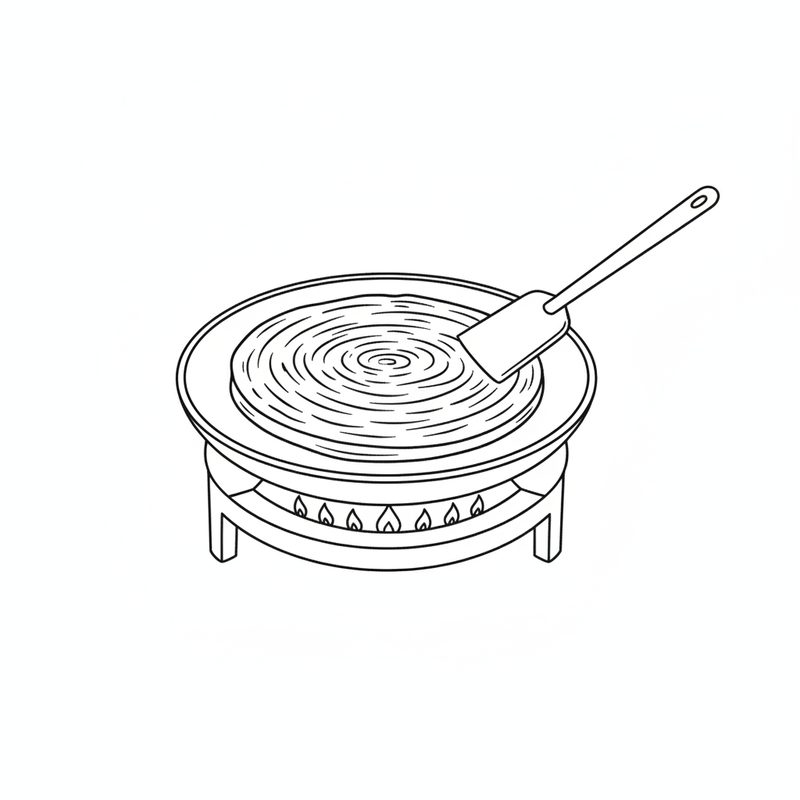
- Cook the parathas on a hot tawa or flat pan until golden and flaky on both sides. Keep them wrapped in a tea towel.
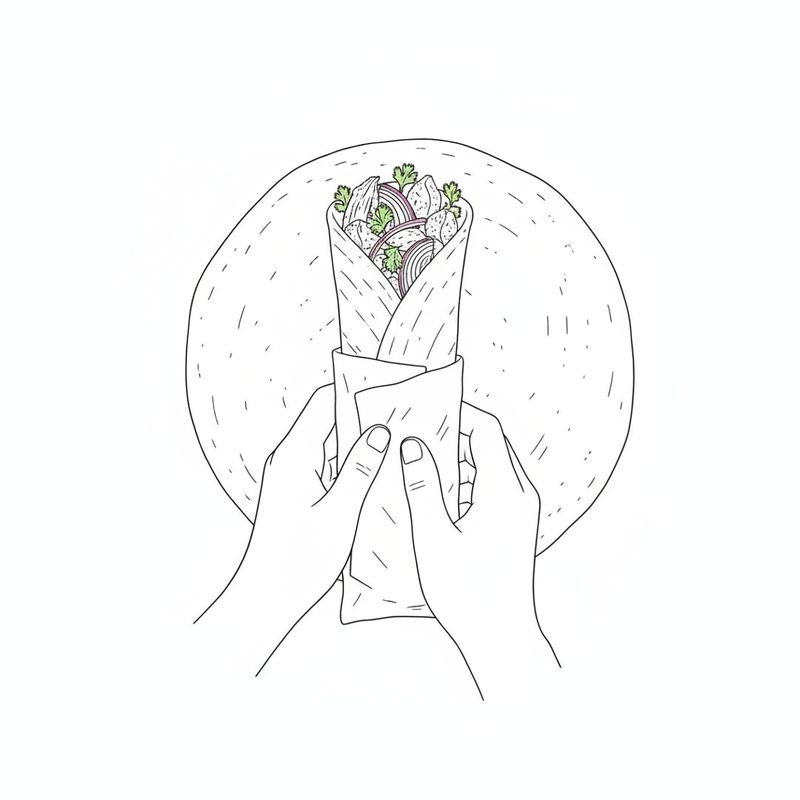
- Spread each paratha with garlic mayo and chutney, lay a line of chicken across it, top with onion and coriander, roll tightly and wrap the lower half in baking paper. Serve straight away.
What is a paratha roll?
A paratha roll is Pakistani street food: a hot, layered flatbread wrapped around a grilled or pan-cooked filling, sauces and raw onion, and eaten in the hand from a twist of paper. Google’s own summary describes it as street food from Karachi, and Karachi-style rolls are the version most recipes point back to.
Chicken is the usual filling, most often as chicken tikka-style pieces. Pakistani food writers also list a beef boti roll and a plain garlic mayo roll, and one names the Taimoori roll paratha in Islamabad as a favourite. Where each style started is told in more than one way, so this page does not pick a winner.
The step most people get wrong
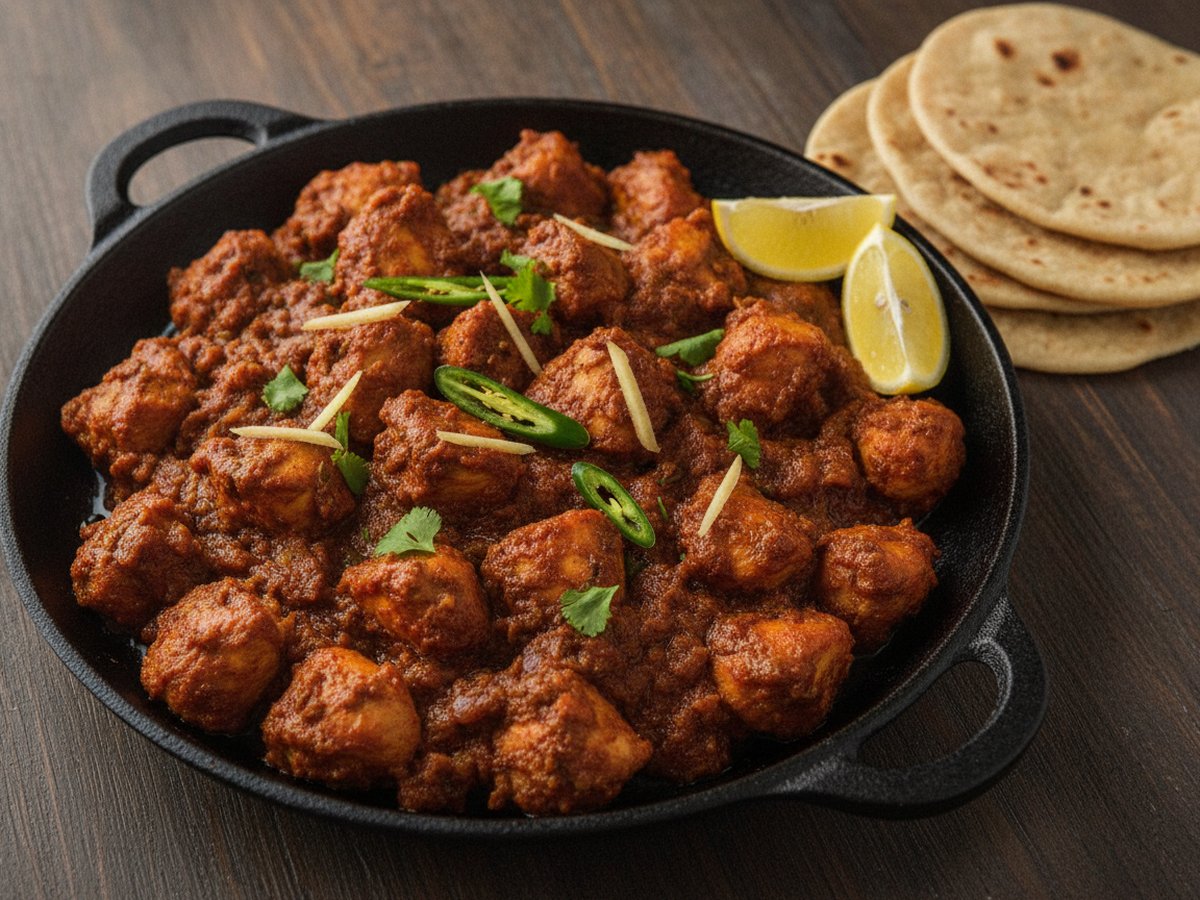
The step most people get wrong is cooking the chicken too gently and too crowded. A yogurt marinade releases liquid as it heats; if the pieces are piled up, they stew in it and never colour.
Use a wide, heavy pan, get the oil properly hot, and lay the chicken in a single layer, in two batches if needed. Leave it alone for 5 to 6 minutes, until the underside is dark gold with black spots, then turn it. If liquid gathers in the pan, raise the heat and keep turning until it has cooked off and the masala clings to each piece. That dry, slightly charred surface is what carries the flavour through the bread and the sauce.
The chicken is done when the largest piece, cut open, is cooked through with no pink left in the middle. Cut a piece rather than judging from the outside, because the marinade colours the surface long before the centre is ready.
Which paratha to use
Frozen flaky parathas are what most of the home recipes use, and they are the reason this is a weeknight dish. Cook them straight from frozen on a hot tawa or flat pan until both sides are golden and the layers puff, then keep them wrapped in a clean tea towel so they stay soft enough to roll.
A homemade paratha is richer but adds kneading, resting and frying time. Whole-wheat parathas work as well as the plain white ones.
The sauces: garlic mayo and green chutney
The garlic mayo is the sauce that defines the roll. At its simplest it is mayonnaise with fresh garlic, a little lemon juice and salt. The sources agree on half a cup of mayonnaise and two cloves of garlic for that amount; they disagree on the lemon, from 2 teaspoons to 1 tablespoon, so start at the lower end and taste.
Stall-style versions often stretch the sauce. Two of the Pakistani recipes use twice as much yogurt as mayonnaise, which gives a thinner, tangier sauce that soaks into the bread; others loosen the mayo with a spoonful of cream. Neither is more correct. Thin sauce runs, thick sauce sits, and the choice is yours.
Green chutney adds heat and freshness: coriander, mint, green chilli, garlic and lemon, blended with a little water. A sweet-sour imli (tamarind) chutney is the other common partner, and many rolls carry both.
Step by step, in pictures
 Marinate the chicken in yogurt, lemon and spices.
- Stir the garlic into the mayonnaise.
- Cook the chicken in one layer until it chars.
- Optional: smoke the chicken with a hot coal.
- Cook each paratha on a tawa until golden.
- Fill, roll tightly and wrap in paper.
Where the numbers on the card come from
Every quantity on the card was checked against Pakistani recipes from Bake With Zoha, Flour & Spice, Sugar Spice & More and Food Fusion, with Zorabian, Cook With Faiza and SuperChef brought in where those four disagreed. A number reaches the card only when at least two of them give the same amount for the same batch size.
Four of the sources use 500 g of chicken and two use 1 lb (454 g), and three of them make 6 rolls. Two give half a cup of yogurt for that much chicken, two give 1 tablespoon of ginger-garlic paste, and three give 2 tablespoons of lemon juice. Cumin, coriander, chilli powder and salt are 1 teaspoon each in almost every version.
Turmeric is split evenly: two sources use a quarter teaspoon and two use half, so the card gives that range. The cooking time of about 20 minutes is the median of four sourced times. Prep and total time are left off the card because the sources disagree by more than double, mostly over how long the chicken marinates.
Restaurant style or home style
Restaurant style adds two things home cooks often skip: smoke and colour. For smoke, set a small piece of glowing charcoal in a foil cup in the middle of the cooked chicken, drip a little oil onto it, and cover the pan for about 2 minutes. For colour, a pinch of orange food colour goes into the marinade.
Home style leaves out both and loses only a little. The smoke is the bigger loss of the two; the colour changes nothing about the taste.
The shorter route
The shorter route is leftover Pakistani chicken tikka, chopped and reheated in a hot pan, with a frozen paratha and a garlic mayo stirred together in a bowl. What you lose is the fresh char on the chicken, so reheat it hard rather than gently.
Making paratha rolls ahead
Make the parts ahead and roll at the last minute. The chicken can sit in its marinade in the fridge for a few hours, and the garlic mayo, chutney and sliced onion can be made earlier the same day and chilled.
Cook the parathas and assemble only when you are ready to eat. A rolled paratha soaks up the sauce and softens as it sits, and the crisp, flaky layers are half the point. For lunch boxes, pack the paratha and the filling separately.
Other fillings
The same roll works with other fillings. Chicken seekh kababs are a popular one with the same garlic mayo; beef boti is another. A plainer Karachi-style version cooks the chicken with plenty of black pepper and a little cream instead of a red tikka marinade.
Questions people ask
What is paratha roti made of?
Paratha is made from a wheat flour dough that is layered with ghee or oil, then cooked on a hot tawa with more fat until golden and flaky. Some recipes add egg to the dough.
What does paratha taste like?
Paratha tastes rich and buttery, with a crisp, golden outside and soft, chewy layers inside. The flavour comes from the ghee or oil folded through the dough.
Which is healthier, paratha or roti?
Roti is the lighter of the two. It is cooked on a dry tawa, while paratha is layered with ghee or oil and cooked in more of it, so a paratha carries much more fat.
How many calories are in one chicken roll paratha?
This page does not give a calorie figure, because it changes a great deal with the paratha. Frozen parathas vary by brand and list their own values on the pack, and the paratha is the largest part of the total.
Should I use chicken thigh or breast?
Either works; the sources use boneless breast, tenders or plain boneless chicken. Whichever you use, take it off the heat as soon as the largest piece is cooked through, because small pieces dry out quickly on high heat.
Can I use tortillas instead of parathas?
Yes. Tortillas roll easily and are lighter, but the roll loses the flaky, buttery layers that make it a paratha roll. Warm them in a dry pan first so they do not crack.