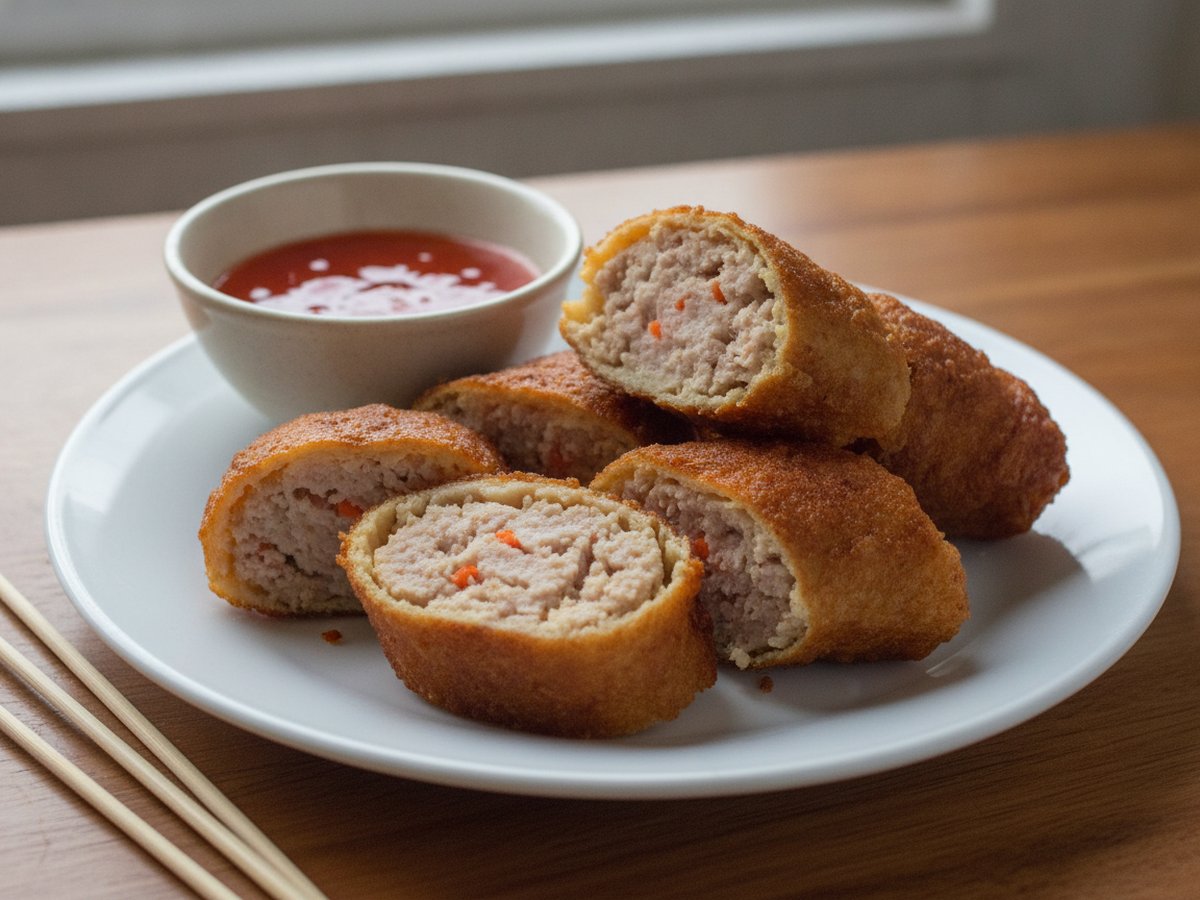
Kikiam (also spelled quekiam) is a Filipino roll of ground pork and shrimp seasoned with five-spice powder, wrapped in a thin bean curd sheet, steamed until firm, then fried until the skin is crisp and golden. It tastes savoury and warmly spiced, with a crackly outside and a soft, juicy middle, and it is sliced and dipped in a sweet sauce.
The homemade version takes about 45 minutes of hands-on and cooking time, plus cooling. It serves 6, and the steamed rolls freeze well, so it is worth making a full batch.
Last updated
Recipe
Kikiam (Homemade Filipino Quekiam)
Ingredients
Method
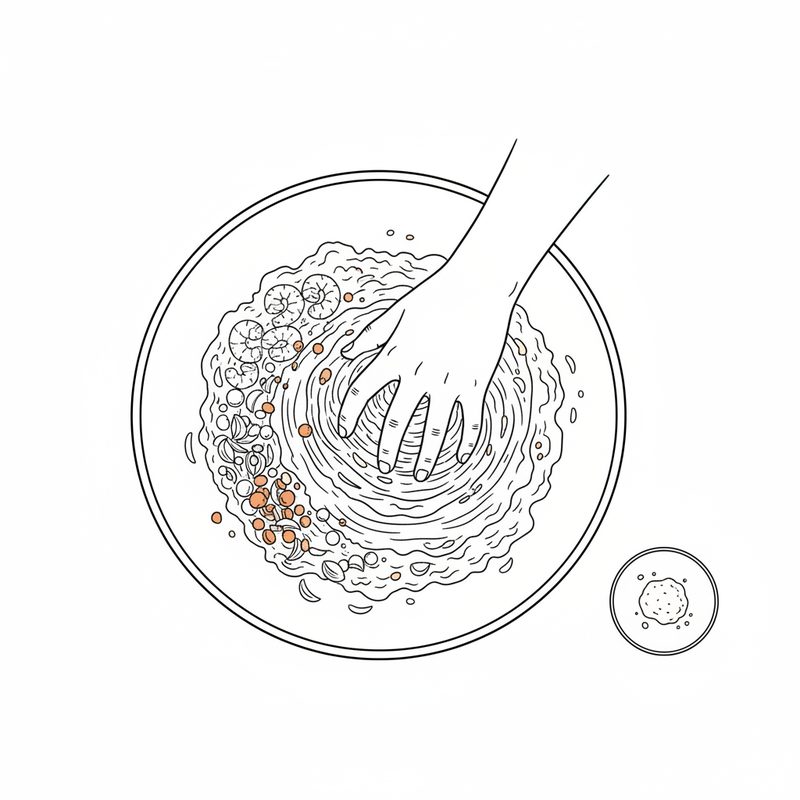
- In a large bowl, combine the pork, shrimp, carrot, onion, singkamas or water chestnuts if using, five-spice powder, salt and pepper. Mix by hand, squeezing as you go, until the mixture is sticky and even. Divide it into 3 portions.
- Moisten one bean curd sheet with warm water until it softens, press out the excess, and lay it flat on a board.
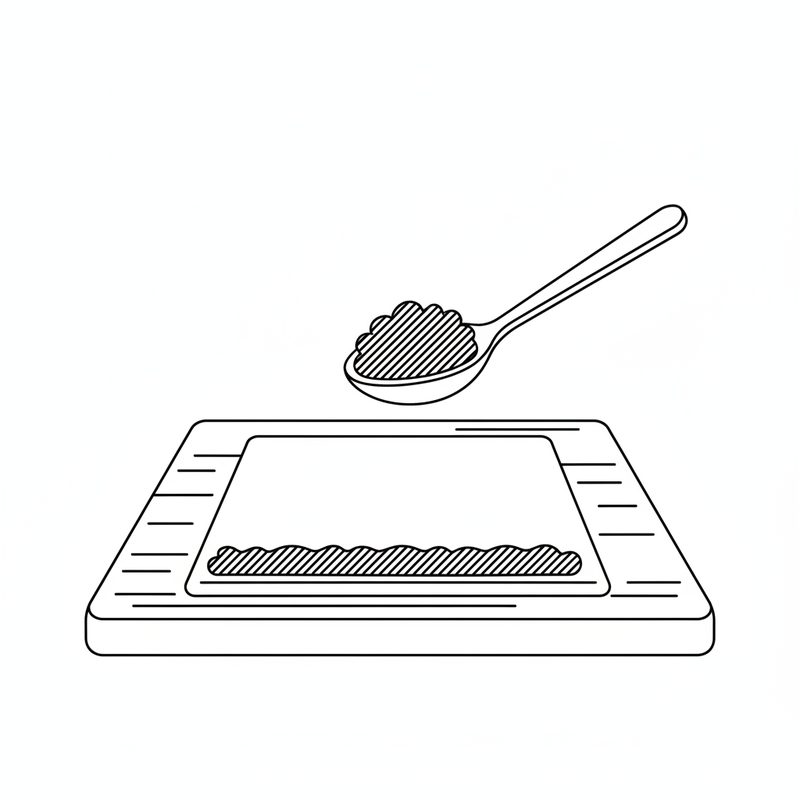
- Spread one portion of the filling in a line along the bottom edge of the sheet, leaving about 1 inch (2.5 cm) clear at each side.
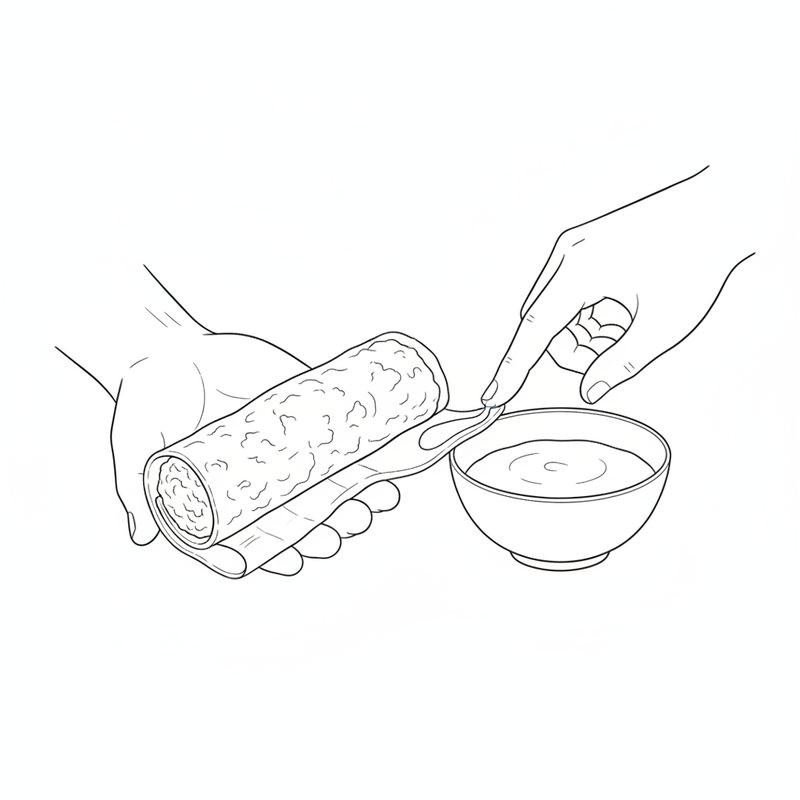
- Fold the sides in and roll up tightly into a log about 2 inches (5 cm) thick. Brush the loose edge with the cornstarch slurry to seal it. Repeat with the rest.
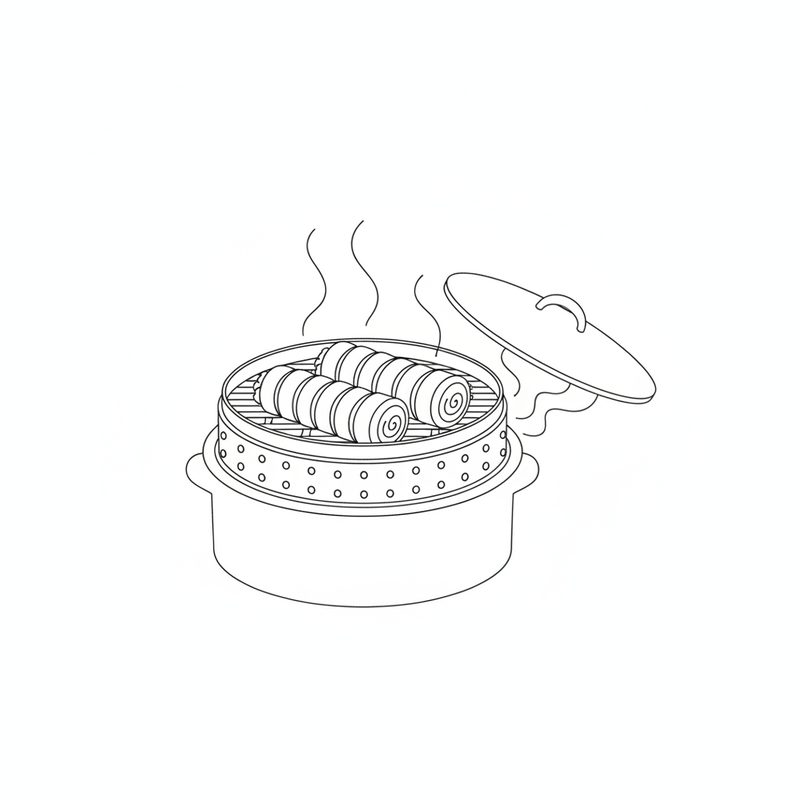
- Steam the rolls in a single layer over boiling water for 15 to 20 minutes, until firm and 160°F (71°C) in the centre. Let them cool completely, then chill or freeze.
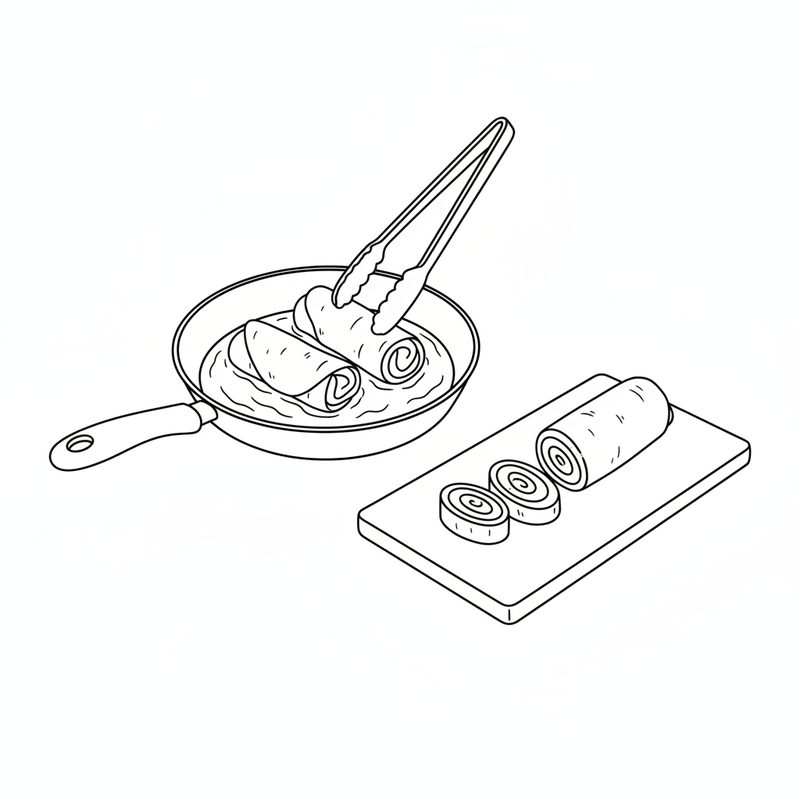
- Heat the oil over medium heat, to about 350°F (175°C). Fry the rolls, turning, until deep golden and crisp all over. Drain, rest for 5 minutes, then slice on the diagonal and serve with a dipping sauce.
What is kikiam made of?
Kikiam is made of ground pork, minced shrimp, finely chopped vegetables and five-spice powder, rolled in a dried bean curd sheet. The bean curd sheet is called tawpe in Filipino shops. It is the thin skin that forms on top of simmering soy milk, dried into big, brittle sheets.
The vegetables are there for crunch and moisture. Carrot and onion show up in almost every version. Some cooks add singkamas (jicama) or water chestnuts, which stay crisp even after steaming and frying.
Five-spice is the flavour you remember. It is a blend usually built on star anise, cinnamon, cloves, fennel and Sichuan pepper, and it is what makes kikiam taste like kikiam and not like a plain pork roll.
What is kikiam in English?
Kikiam has no single English name. Recipes describe it as a five-spice pork roll or a meat roll in bean curd skin. Its Chinese name is ngoh hiang. Foxy Folksy describes kikiam as the Filipino version of that Fujian dish, brought to the Philippines by Hokkien immigrants and adapted to local ingredients.
Homemade kikiam vs street kikiam
Homemade kikiam is a pork-and-shrimp roll in bean curd skin. The kikiam sold from street carts is often something else: a cheaper fish-paste stick, fried and skewered next to fish balls and squid balls.
So yes, some kikiam is made of fish. Simpol’s kanto-style version is a batter of fish meat, flour and cornstarch with no wrapper at all. This recipe is the wrapped pork version.
Kikiam is not tempura either. The two share a cart and the same dipping sauces, which is why the names get mixed up. For another cart favourite you can make at home, try kwek-kwek, the orange-battered fried quail eggs.
Where to find bean curd sheets
Look in the dried goods aisle of an Asian grocery store. The sheets are sold flat and folded in plastic packs, labelled bean curd sheet, bean curd skin, tofu skin or tawpe. Pick the large, flat, round or square sheets, not the knotted sticks meant for soup.
Dry sheets crack when folded, so moisten each one first. Trim off hard, thick edges, because they never soften.
How to make kikiam, step by step
Six steps, in the order you do them. The full quantities are in the card above.
 Mix the pork, shrimp, vegetables and seasoning by hand until sticky.
- Soften a bean curd sheet and lay it flat.
- Spread the filling along the bottom edge, leaving the sides clear.
- Fold in the sides, roll tight and seal with the slurry.
- Steam in one layer, then cool completely.
- Fry until golden and crisp, rest, then slice.

Why steam kikiam before frying?
Steaming cooks the filling all the way through and sets the roll, so frying only has to crisp the skin. If you fry a raw roll, the skin burns before the pork in the middle is cooked.
Steam for 15 to 20 minutes, until the rolls are firm to the touch. The three recipes compared steam for 15, 15 to 20, and 20 to 25 minutes, so thicker rolls need the longer end. Ground pork is safe at 160°F (71°C) in the centre, the USDA minimum for ground pork, so check one roll with a thermometer if you have one.
Then let the rolls cool completely. A warm roll is soft and can split in the oil. A cold one holds its shape, and the skin blisters and crisps evenly.
How hot should the oil be?
Fry over medium heat. Kawaling Pinoy heats the oil to 350°F (175°C), and Foxy Folksy fries on medium for 2 to 3 minutes a side. Too hot and the bean curd skin darkens and turns bitter before the middle is warm. About an inch of oil in a wide pan is enough if you turn the rolls as they brown.
Recipe notes: where the sources differ
The card follows what at least two of the three recipes agree on. Where they split, here is what was chosen and why.
- Five-spice: 1 tablespoon, as in Panlasang Pinoy and Kawaling Pinoy. Foxy Folksy uses 1 teaspoon. Start at 2 teaspoons if you are not sure you like it strong.
- Salt: 2 teaspoons, from the same two recipes. Foxy Folksy seasons with soy sauce, oyster sauce and a little sugar instead of salt.
- Singkamas or water chestnuts: optional. Foxy Folksy uses 1/2 cup of singkamas, Kawaling Pinoy 1 cup of water chestnuts. The card uses the smaller amount.
- Carrot: 1 medium, as in Panlasang Pinoy. Kawaling Pinoy uses 1 large.
- Bean curd sheets: sizes vary a lot between brands, so no two recipes agree on a count. The card uses Kawaling Pinoy’s 3 large sheets cut into 10-inch squares, for 3 thick rolls. Panlasang Pinoy uses 6 smaller sheets for thinner rolls.
- Cornstarch slurry: used to seal the rolls, as in Foxy Folksy and Panlasang Pinoy. Kawaling Pinoy stirs it into the filling instead.
What to serve with kikiam
Serve kikiam sliced, with a dipping sauce. Sweet and sour sauce is the classic. Sweet chilli sauce and banana ketchup are the easy shortcuts, and both are fine.
Street-cart style, it goes on a skewer with fish balls and a cup of sweet, thick brown sauce or spiced vinegar. As a meal, serve it with steamed rice. It also works sliced into noodle dishes like pancit canton or added to soups.
Make ahead and storage
Steam the whole batch, then fry only what you will eat. Foxy Folksy and Panlasang Pinoy both freeze the extra rolls after steaming.
- Freezer: cool the steamed rolls, wrap each one in plastic wrap or foil and freeze in a bag. Foxy Folksy and Panlasang Pinoy keep them for a month. Kawaling Pinoy says up to 3 months.
- Fridge: Kawaling Pinoy keeps steamed or fried rolls for up to 3 days, wrapped.
- From frozen: thaw the rolls in the fridge before frying so the middle heats through by the time the skin is golden.
Leftover fried kikiam softens in the fridge. Reheat it in a dry pan to bring the crunch back.
Variations
- All pork: leave out the shrimp. Foxy Folksy’s version uses 500 g (about 1 lb) of pork with no shrimp, seasoned with soy and oyster sauce.
- Other meats: Kawaling Pinoy suggests ground chicken, beef or minced raw fish in place of the pork.
- More texture: add finely chopped rehydrated shiitake mushrooms, green onions or Chinese celery (kinchay).
- Pan-fry: Panlasang Pinoy pan-fries the rolls instead of deep-frying them. Turn them often so the skin browns evenly.
If you like a sliced pork roll but want to skip the frying, embutido is the steamed Filipino meatloaf cousin, wrapped in foil instead of bean curd.
Questions people ask
What is kikiam made of?
Ground pork, minced shrimp, carrot, onion and five-spice powder, rolled in a dried bean curd sheet, steamed, then fried. Street-cart kikiam is often a cheaper fish-paste version.
What is kikiam in English?
There is no single English name. It is usually described as a five-spice pork roll in bean curd skin. Its Chinese name is ngoh hiang.
Is kikiam a tempura?
No. Kikiam is a meat or fish roll, and Filipino street-cart tempura is a different fried fish snack. They are sold on the same carts with the same sauces, so the names get mixed up.
Why is kikiam called kikiam?
None of the three recipes compared explains the word itself. They agree on where the dish comes from: ngoh hiang, a five-spice pork roll from Fujian, which Foxy Folksy says Hokkien immigrants brought to the Philippines.
Can I freeze kikiam?
Yes. Freeze the rolls after steaming and before frying, wrapped one by one. Two of the three recipes compared keep them for a month. Thaw in the fridge, then fry.