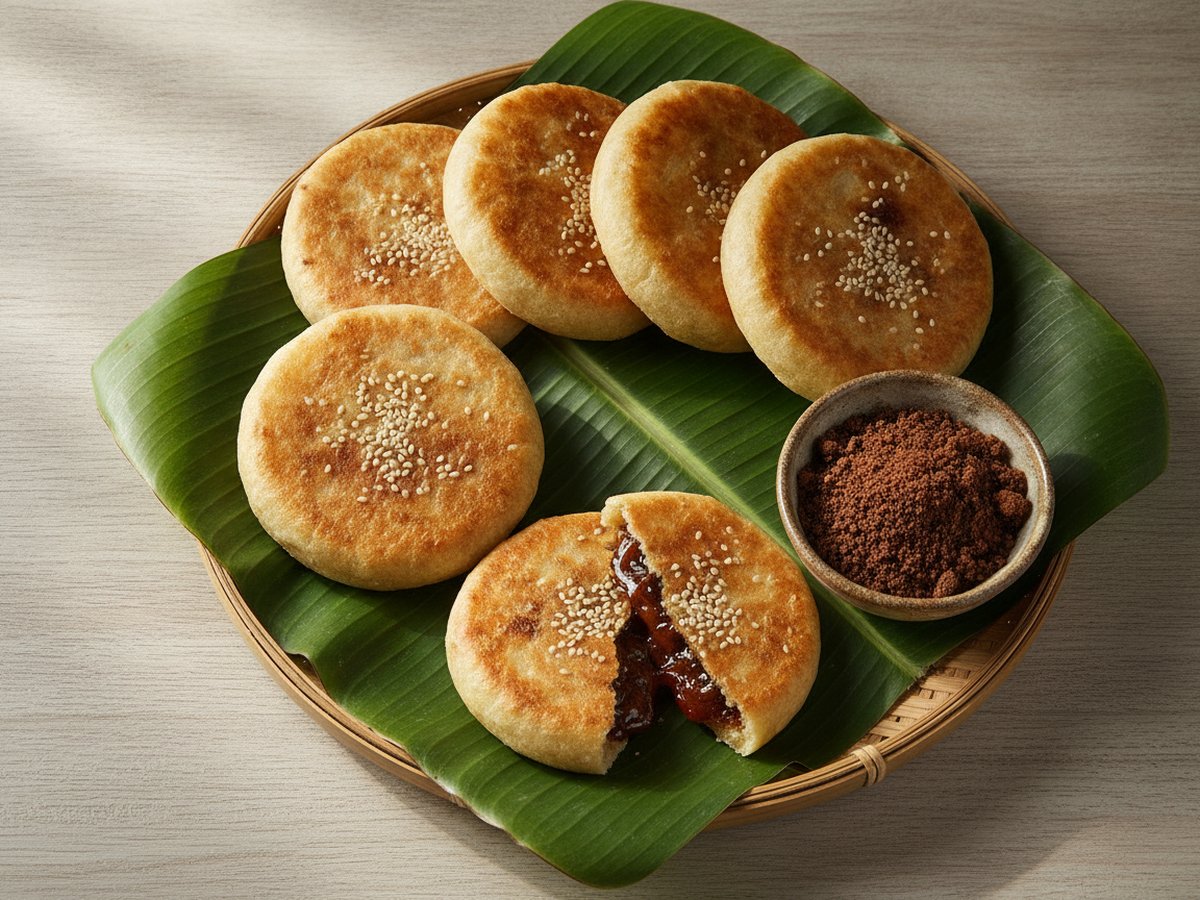
Piaya (Filipino muscovado-filled flatbread) is a thin, round, unleavened flatbread with a layer of dark muscovado sugar sealed inside, sesame seeds on the outside, and a dry pan doing all the cooking. The sugar melts into a sticky, caramel-dark centre while the dough turns crisp at the edges and stays a little chewy in the middle.
It is a merienda snack from Negros Occidental, and it needs nothing you cannot find in a supermarket: flour, salt, shortening, water, muscovado and sesame. This recipe makes 16.
Last updated
Recipe
Piaya (Filipino Muscovado-Filled Flatbread)
Ingredients
Dough
Muscovado filling
Method
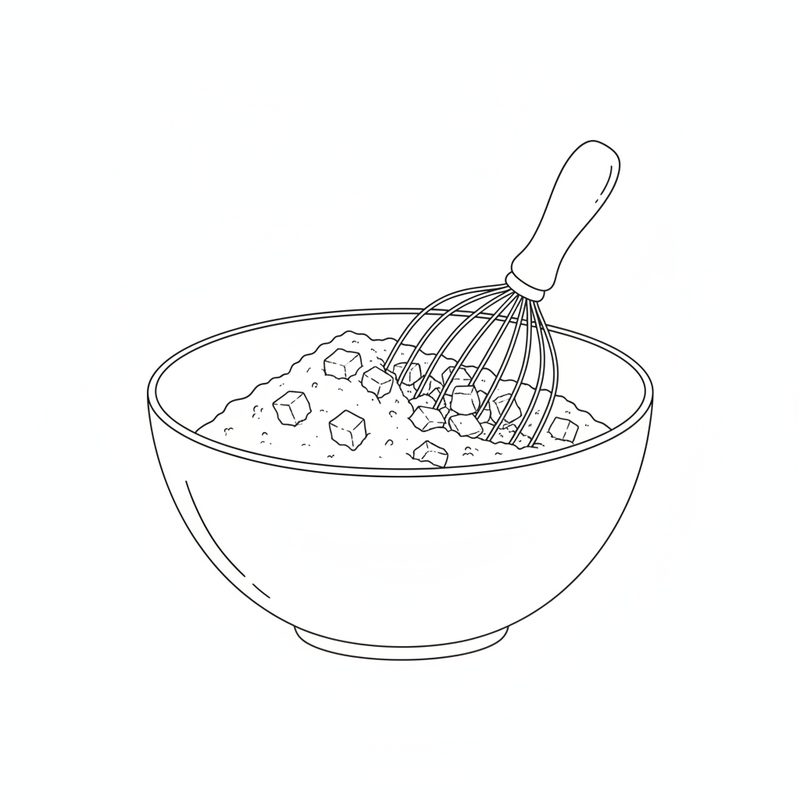
- Mix the flour and salt in a large bowl. Rub or cut in the shortening until the mixture looks like coarse crumbs with no large lumps left.
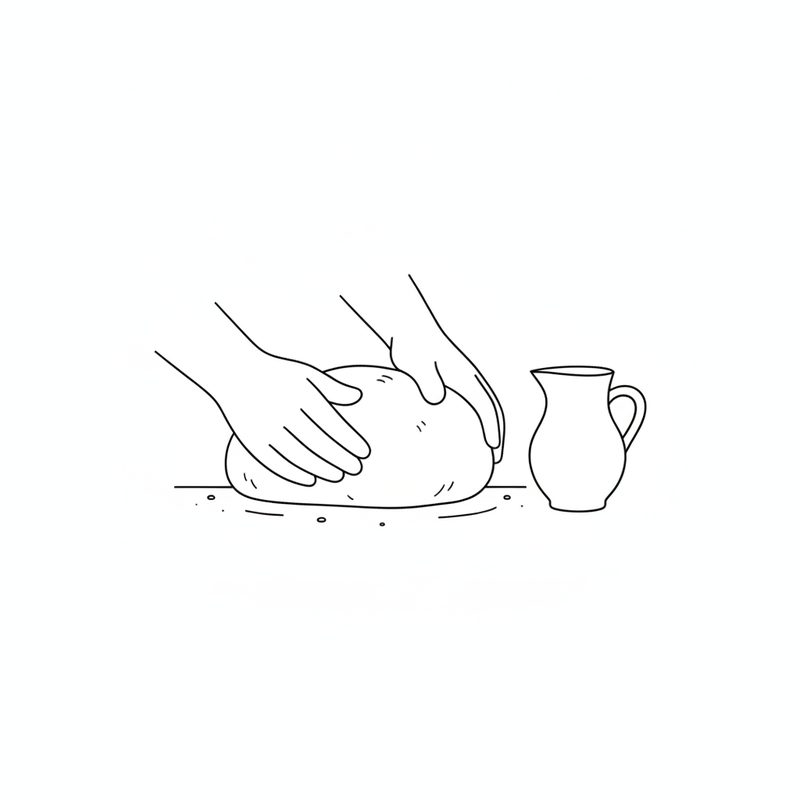
- Add the cold water a little at a time and mix until a shaggy dough forms. Knead on the counter until smooth and soft, adding a spoon more water if it cracks. Cover and let it rest while you make the filling.
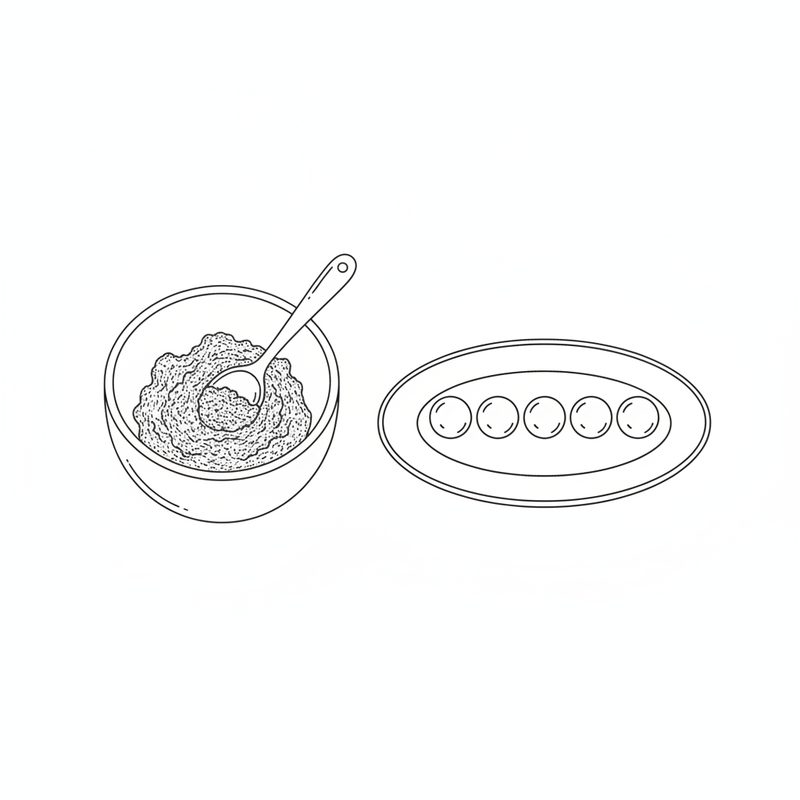
- For the filling, mix the muscovado, flour, salt and oil. Add the water one tablespoon at a time, waiting a moment between spoons, until it is soft but holds a ball. Divide into 16 balls.
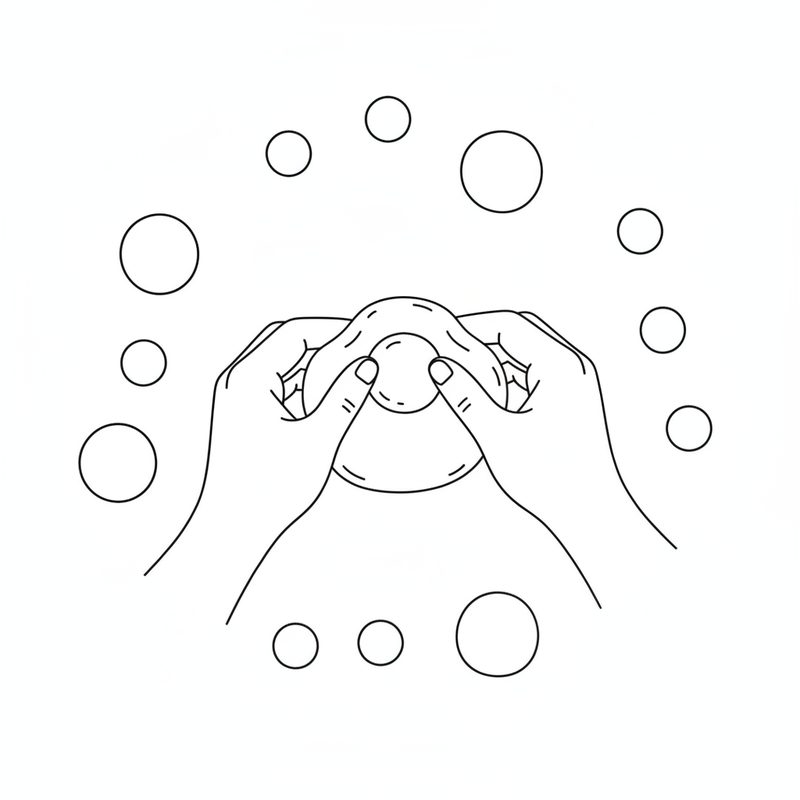
- Divide the dough into 16 pieces. Flatten one into a round big enough to cover a ball of filling, wrap it around the filling and pinch the seam closed. Roll it smooth between your palms. Repeat with the rest.
- Scatter sesame seeds on a lightly floured board. Press each ball flat onto the seeds, then roll it out as thin as you can without the filling breaking through. Pinch any holes closed.
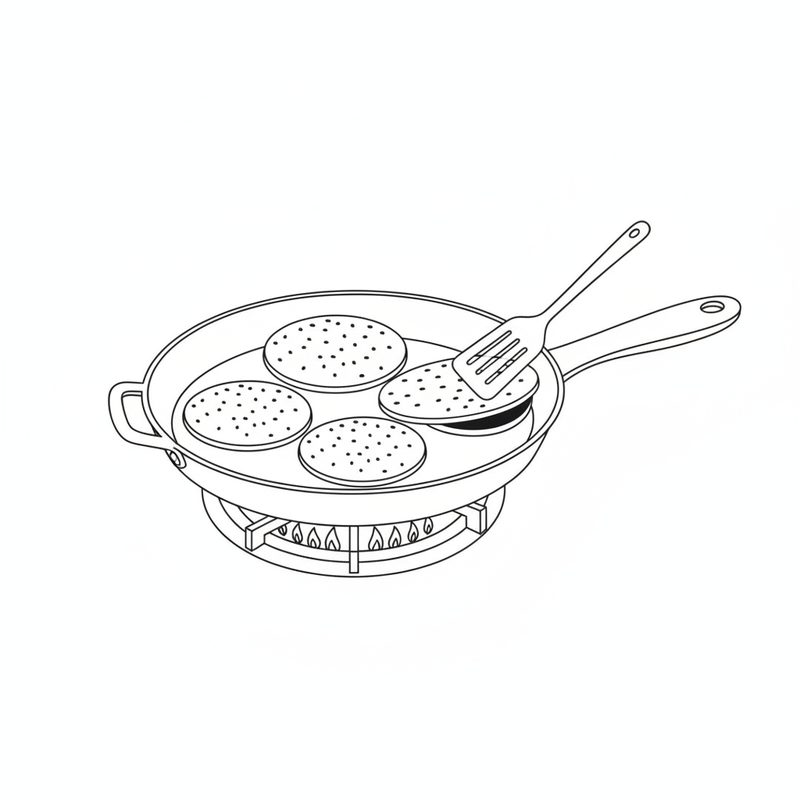
- Heat a large dry pan over medium-low heat. Cook the piaya in a single layer for 3 to 4 minutes per side, until the surface looks dry with light golden-brown spots. They may puff; that is normal. Cook the rest in batches.
- Serve warm.
What is piaya?
Piaya is a flat, unleavened Filipino flatbread filled with muscovado sugar, rolled thin, coated in sesame seeds and cooked on a griddle. In Hiligaynon, the language of Negros and Panay, it is spelled piyaya.
Two parts make it. The dough is plain flour, salt, fat and water, with no yeast or baking powder. The filling is muscovado bound with a little flour and water so it holds a ball instead of running out when it melts.
Packaged piaya is a classic pasalubong, the gift you bring home from a trip. Homemade piaya eaten warm from the pan is a different thing: softer, with the sugar still runny.
What does piaya taste like?
Piaya tastes of dark caramel and toasted sesame, with a plain, lightly salty crust around it. Muscovado is unrefined cane sugar that keeps its molasses, so the filling tastes deeper than one made with ordinary brown sugar.
The texture is the part to watch. A good one is crisp on the outside with golden-brown spots, and the centre is sticky, not grainy. Grainy means the filling was too dry or the piaya came off the heat before the sugar melted.
Where does piaya come from?
Piaya comes from the Philippines, and it is most closely tied to Negros Occidental, the province around Bacolod. Wikipedia describes it as especially common there, where it is a popular delicacy.
The name gets asked about a lot. Wikipedia records the Hiligaynon spelling and also a Hokkien Chinese name for it, and lists Chinese-style filled pastries such as bakpia and mooncake as related foods. No source we used traces piaya to Spain.
Which fat to use in the dough
Use shortening or lard if you want the classic crisp, slightly flaky crust. Foxy Folksy and Simply Bakings both use the same amount of shortening for the same amount of flour, which is why it is on the card.
Butter works and tastes richer; A Yellow Bowl rubs cold butter into the flour like a pie crust. Oil works too: Manilabake kneads oil straight into the dough, which gives a softer, more pliable sheet that is easier to roll thin.
Rest the dough, covered, while you make the filling. A rested dough rolls thinner without springing back, and thin is what you want.
Getting the filling to hold
The filling should be soft enough to squeeze but firm enough to roll into a ball. Add the water one spoon at a time and wait between spoons, because the sugar keeps dissolving after you stop stirring. Too wet, and it leaks through the dough in the pan.
The flour in the filling makes it forgiving. A Yellow Bowl fills with plain muscovado, which works when the dough has no holes, but bound sugar melts more slowly and is far less likely to leak. The salt and oil amounts in the filling follow Simply Bakings; Manilabake uses a little more oil, and Foxy Folksy swaps the oil for a spoon of glucose syrup. All three work.
How to cook piaya without burning the sugar
Cook piaya in a dry pan over medium-low heat for 3 to 4 minutes a side. All three sources that give a time land in that range. Higher heat browns the outside before the filling melts, and any sugar that escapes onto a hot pan burns quickly.
 Rub the fat into the flour until it looks like crumbs.
- Knead to a smooth, soft dough and let it rest.
- Mix the filling until it holds a ball, then portion it.
- Wrap each ball of filling in dough and pinch it shut.
- Roll flat on sesame seeds, as thin as the dough allows.
- Cook in a dry pan, turning once, until spotted golden.
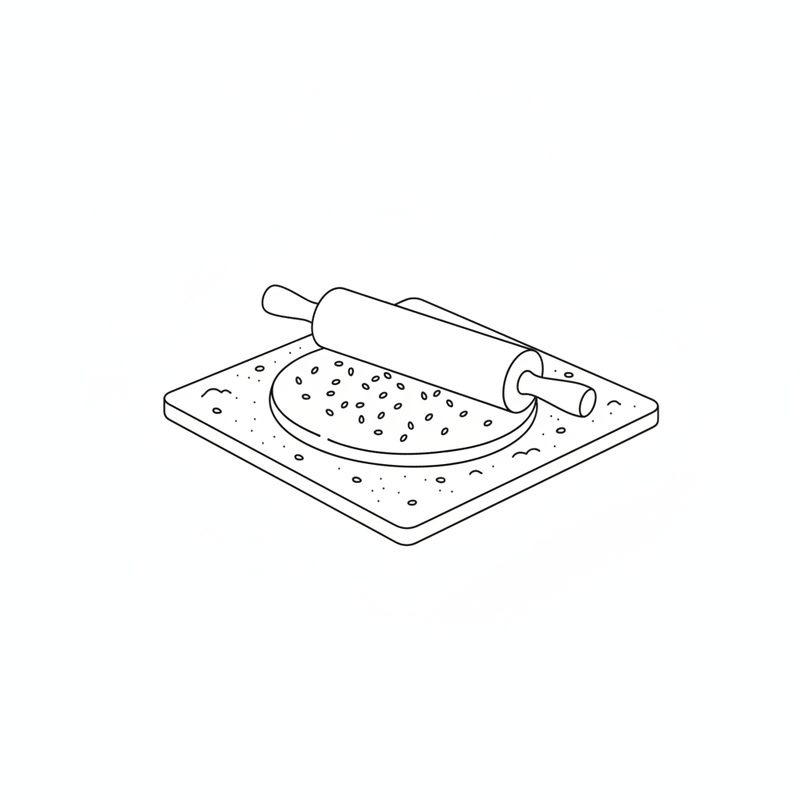
Roll each one as thin as the dough allows. A Yellow Bowl aims for 3 to 4 inches across. If you see a hole, pinch it closed before it goes in the pan, because melted muscovado will find it.
Some will puff up while they cook. That is fine; it is steam from the dough, and it helps the middle cook through. They are done when the surface looks dry and has light golden-brown spots on both sides.
Cook in batches and keep the cooked ones on a plate while you work. How long the whole batch takes depends on how many fit in your pan, which is why the card gives no total cook time.
Variations
Ube is the most common alternative filling. Use a firm ube halaya in place of the muscovado mix, firmed up with a little cornstarch if it is soft. Foxy Folksy makes half muscovado and half ube from one batch of dough.
For a flakier, more layered crust, Foxy Folksy rolls the dough into a sheet, spreads a thin layer of shortening over it, rolls it up tight and cuts it into pieces before filling. It takes longer and gives a more layered crust.
A piayito is a tiny, thin, crisp version. If you like filled doughs, ube hopia is the baked, flaky cousin.
Storing and reheating piaya
The dough can be made ahead: Manilabake keeps it wrapped in the fridge for up to 3 days. Let it come back to room temperature before rolling.
Cooked piaya is best the day it is made. Keep leftovers in an airtight container and warm them in a dry pan over low heat until the centre softens again. None of our sources gave a shelf life for cooked piaya, so we do not quote one.
Serve piaya warm with coffee or hot chocolate for merienda, alongside kutsinta or a basket of pandesal.
Questions people ask
What is piaya made of?
Piaya is made of a plain unleavened dough of flour, salt, fat and water, wrapped around a filling of muscovado sugar bound with a little flour and water, then coated in sesame seeds.
What is piaya in English?
There is no settled English name. It is usually described as a muscovado-filled flatbread or a sugar-filled flatbread. The Hiligaynon spelling is piyaya.
Is piaya from Spain?
No source we used traces piaya to Spain. It is a Filipino food from Negros Occidental, and Wikipedia records Hiligaynon and Hokkien Chinese names for it.
Why did my piaya filling leak out?
Usually a hole in the dough, or a filling that was too wet. Pinch every hole closed before cooking, and add water to the filling only until it just holds a ball.
Can I use butter or oil instead of shortening?
Yes. Cold butter gives a richer, more pastry-like crust, and oil gives a softer dough that is easier to roll thin. Shortening or lard gives the classic crisp crust.