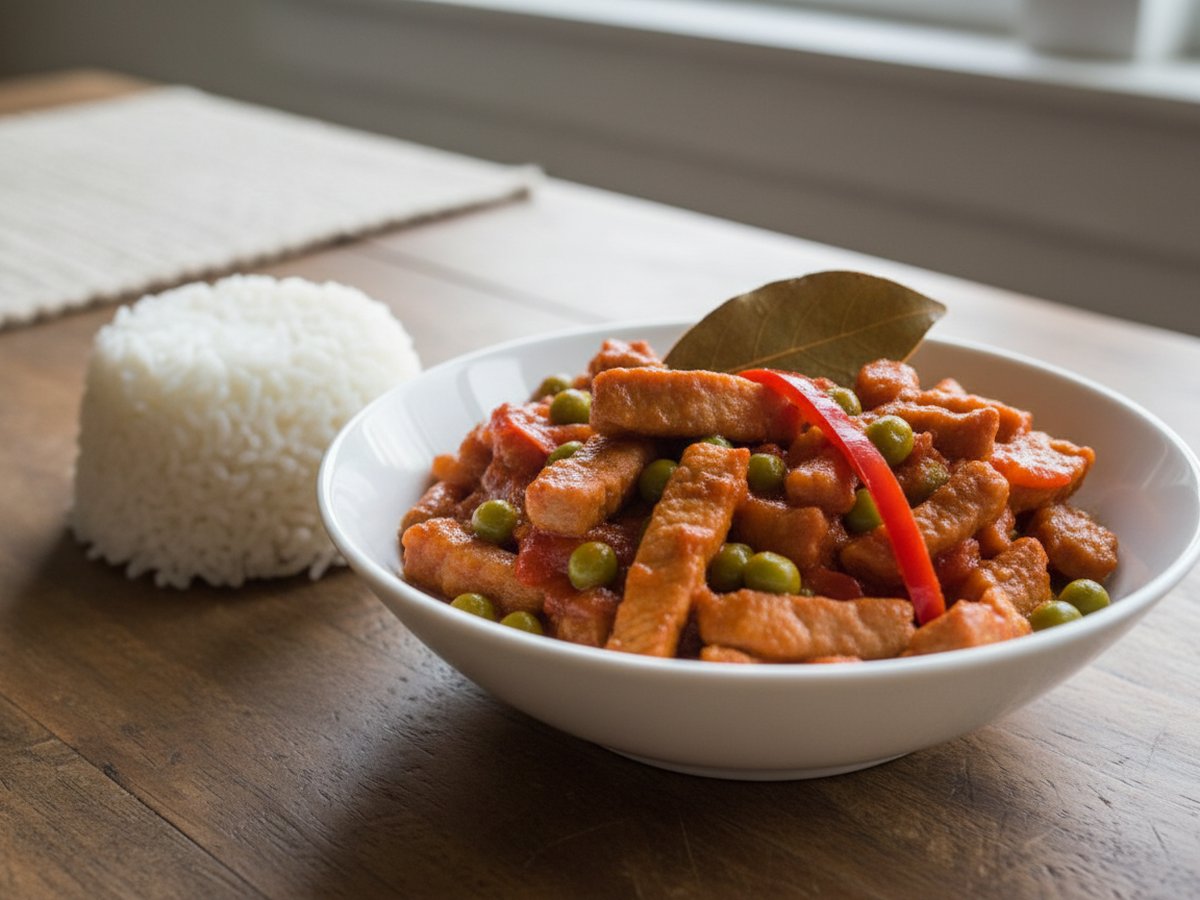
Pork guisantes is pork and green peas stewed in tomato sauce with red bell pepper, eaten hot over white rice. Guisantes is simply the Spanish word for peas, so the name tells you exactly what is in the pan.
It is savoury and a little sweet from the tomato, with salt from fish sauce underneath and bright, soft peas on top. This version serves 4 and takes under an hour, most of it the pork simmering on its own.
Last updated
Recipe
Pork Guisantes (Filipino Pork and Peas Stew)
Ingredients
Method
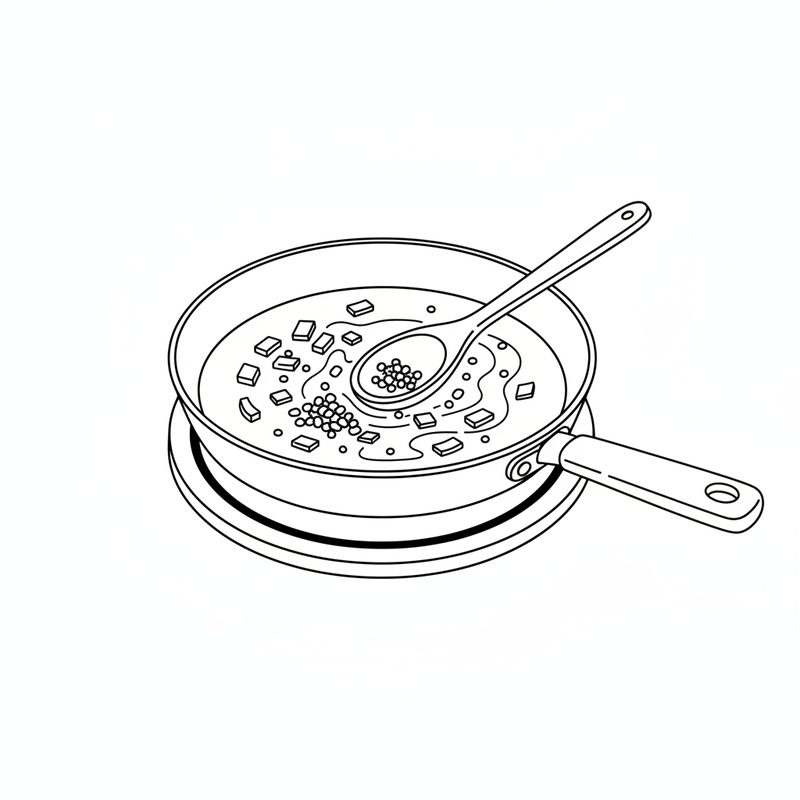
- Heat the oil in a wide pan over medium heat. Add the onion and garlic and cook until the onion is soft and translucent and the garlic smells sweet, not brown.
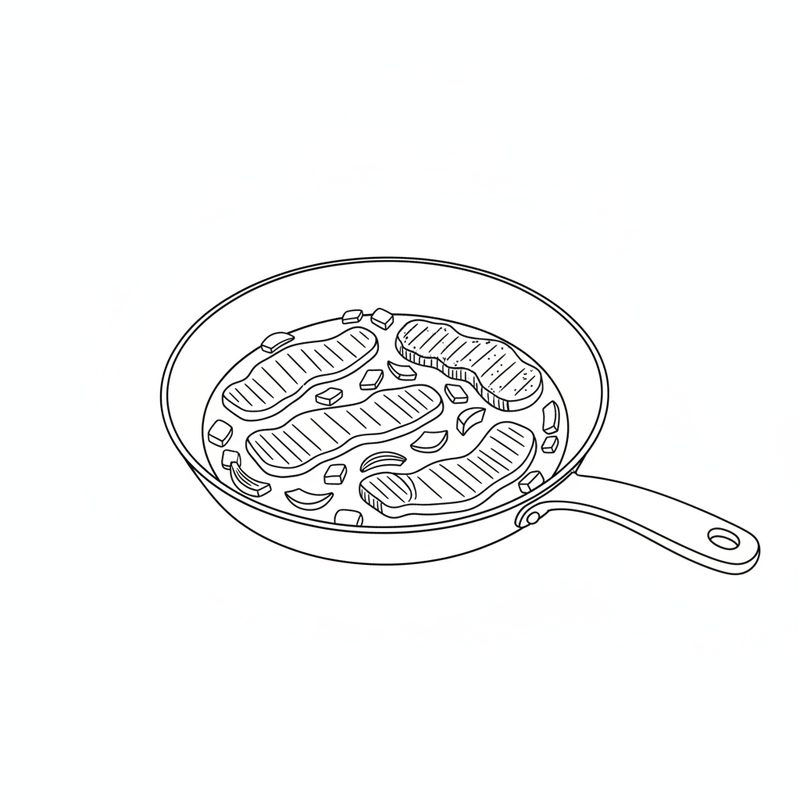
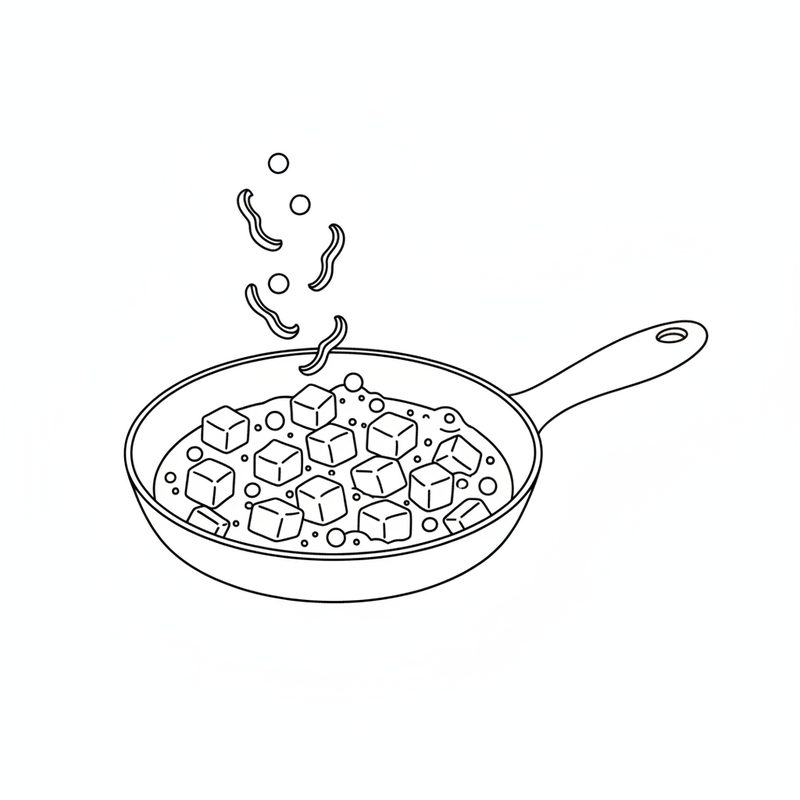
- Add the pork and cook for 4 to 5 minutes, turning, until no pink shows on the outside and the edges start to brown. Add the fish sauce and cook for 1 minute.
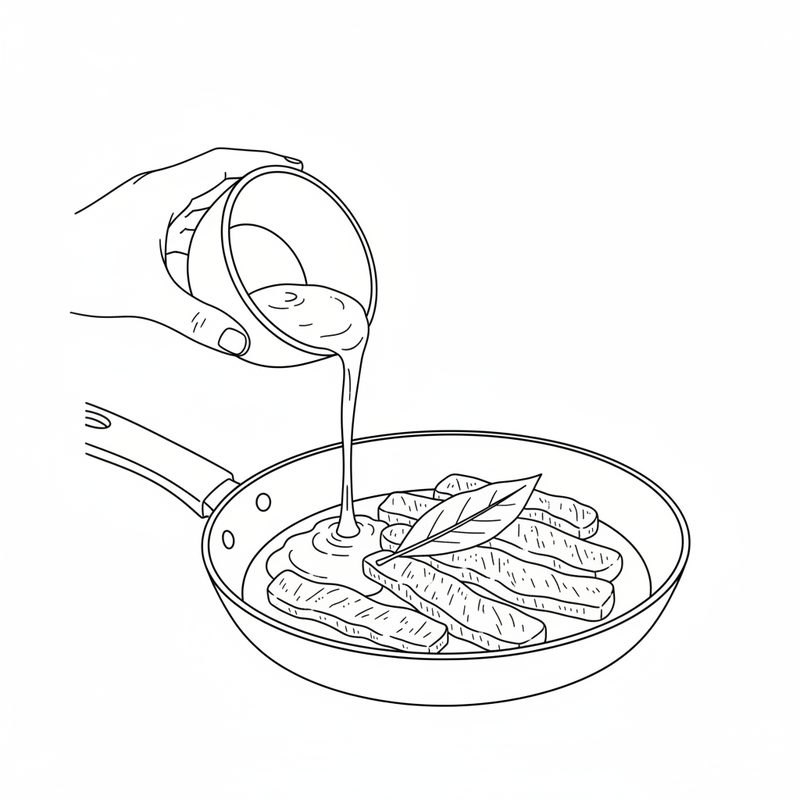
- Pour in the tomato sauce and the water or broth and add the bay leaf. Bring it to a boil.
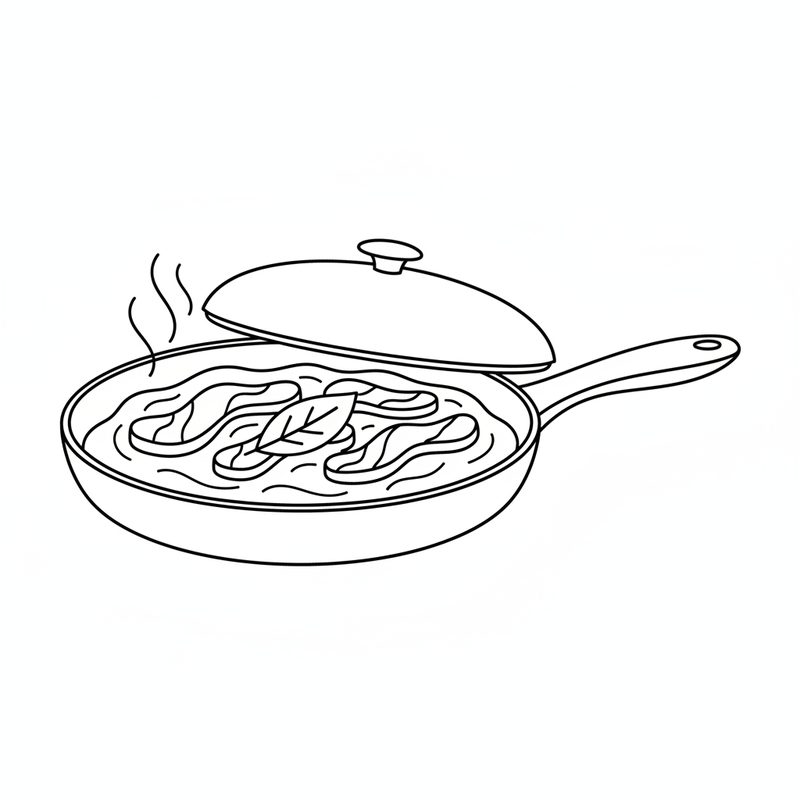
- Turn the heat down, cover and simmer for 20 to 30 minutes, until the pork is fork-tender and the sauce has thickened. Add a splash of water if it gets too thick before the pork is ready.
- Stir in the peas and bell pepper and cook for 3 to 5 minutes, just until the peas are hot and the pepper is tender but still has a little bite.
- Take out the bay leaf. Taste, season with salt, pepper and more fish sauce if it needs it, and serve hot with steamed rice.
What is pork guisantes?
Pork guisantes is a tomato-based pork stew with peas and bell pepper, cooked in the Philippines and in Hawaii. Wikipedia describes it as a Hawaiian pork stew of Filipino origin, probably adapted from Filipino dishes like igado and afritada by Ilocano workers who came to Hawaii’s sugar and fruit plantations in the early 1900s. That is why a Hawaiian utility company has a recipe for it ranking next to Filipino food sites.
You will also see it called pork and peas. Same dish.
What does guisantes mean in English?
Guisantes means green peas. It is Spanish, and Filipino cooking took the word along with a lot of other kitchen vocabulary from the Spanish period.
So yes, guisantes and peas are the same thing. In a recipe you use ordinary green peas, and all three recipes checked for this page use frozen peas or plain green peas, not a special variety.
What cut of pork is best for guisantes?
A lean, tender cut that cooks quickly is what the published recipes use. Kawaling Pinoy uses pork sirloin in 1-inch cubes, Foxy Folksy uses pork tenderloin in strips, and Panlasang Pinoy just says pork, sliced into strips.
Tenderloin is the fastest and goes fork-tender in the shortest simmer. Sirloin needs the full 20 to 30 minutes. If you use a fattier cut like shoulder, it is fine, it just needs a longer simmer than the card gives. Keep the lid on, add a splash of water if the sauce gets thick, and go by texture, not by the clock.
Cut the pieces the same size. Mixed sizes mean some are tender while others are still chewy.
Tomato sauce, diced tomatoes or broth?
Tomato sauce is the usual base. Two of the three recipes use about 1 cup (8 oz) of plain canned tomato sauce, and that is what the card uses.
Foxy Folksy uses a 14.5 oz can of diced tomatoes instead. The sauce comes out chunkier and a little brighter. It is a good swap if that is what you have.
For the liquid, Kawaling Pinoy uses water and Panlasang Pinoy uses beef broth. Broth gives a deeper sauce. Water is fine, because the pork makes its own stock as it simmers.
Fish sauce is where the recipes disagree most. Kawaling Pinoy adds 1 tablespoon, Foxy Folksy adds 2, and Panlasang Pinoy seasons with it to taste at the end and adds soy sauce as well. The card starts at 1 tablespoon. Taste once the pork is tender and add more then, because the sauce reduces and gets saltier as it cooks.
How to keep the peas green and the pepper bright
Add both at the very end. The peas only need to heat through, 2 to 5 minutes. Longer and they turn olive-grey and go mealy.
The pepper should still have a little bite when you serve it. Kawaling Pinoy goes one step further and flash-fries the pepper strips first, sets them aside, and returns them for the last minute or two. It is worth doing if you want the pepper to stay really red.
Frozen peas straight from the bag are fine. Thaw them first, or they cool the pan and the sauce stops bubbling.
Pork guisantes vs afritada and mechado
All three are Filipino tomato-sauce stews, and the difference is in what else goes in the pot. Guisantes keeps it simple with peas and bell pepper. Afritada adds potatoes and carrots, and mechado uses beef instead of pork.
If you like the flavour here but want something faster on a weeknight, pork giniling uses ground pork in a similar tomato base, and ground meat is cooked through in a fraction of the time cubes need.
Can you make it with chicken?
Yes. Chicken guisantes is its own well-known version, and the Hawaiian Electric recipe is written for either pork or chicken. Use boneless chicken pieces and simmer until they are cooked through, which is quicker than pork. For another chicken stew in the same family, try chicken menudo.
Pork guisantes, step by step
 Soften the onion and garlic in the oil.
- Brown the pork, then add the fish sauce.
- Add the tomato sauce, water and bay leaf.
- Cover and simmer until the pork is fork-tender.
- Stir in the peas and red pepper at the end.
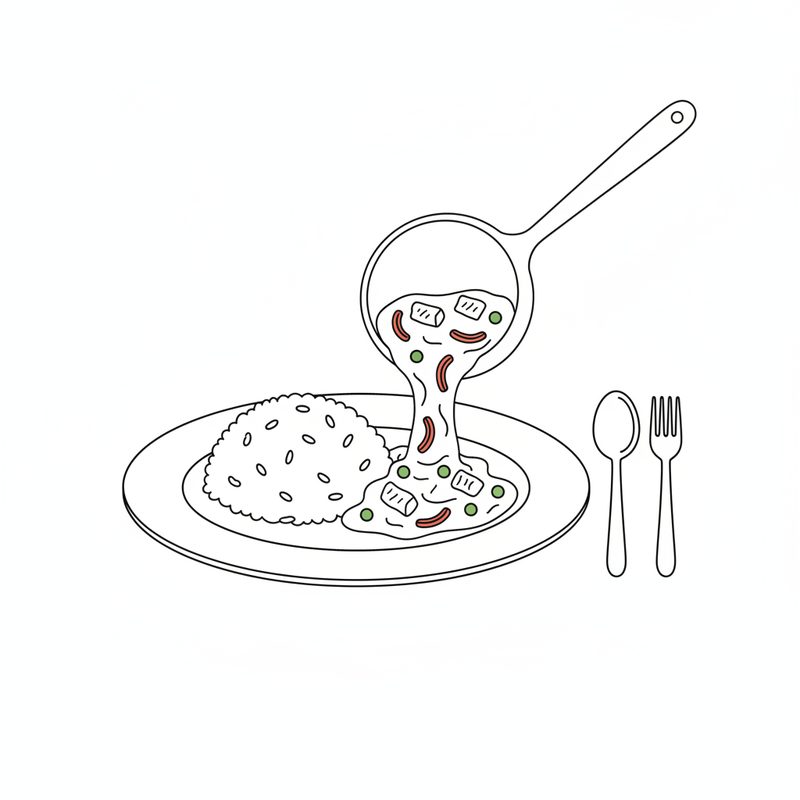
- Serve hot next to steamed rice.
Make ahead, storage and reheating
Pork guisantes reheats well, so it is a good one to cook in quantity. Make it a day ahead if you are cooking for a crowd, but add the peas and pepper when you reheat so they stay green.
Refrigerate leftovers within 2 hours in a covered container and eat them within 3 to 4 days, which is the USDA guideline for cooked leftovers. For longer, freeze it. The USDA says frozen leftovers are best within 3 to 4 months. The peas soften after freezing, but the pork and sauce hold up well.
Reheat on the stove with a splash of water until it is steaming hot all the way through, 165°F (74°C) by USDA guidance. Pork itself is safe once it reaches 145°F (63°C) with a 3-minute rest. Simmered until fork-tender, it will be well past that.
What to serve with pork guisantes
Steamed white rice. Foxy Folksy serves it that way, Google’s own summary for this search says the same, and the sauce is meant to be spooned over it. A plain cucumber or tomato salad on the side is enough to cut the richness.
Questions people ask
Is pork guisantes Filipino or Hawaiian?
Both. It is a Filipino-style dish, and Wikipedia describes it as a Hawaiian pork stew of Filipino origin brought by Ilocano plantation workers in the early 1900s.
Can I use canned peas instead of frozen?
Yes. Canned peas are already cooked, so drain them and stir them in for the last minute only, just long enough to heat through.
Why is my pork guisantes tough?
It needs longer. Keep it covered on a low simmer and check every 10 minutes. A fattier cut like shoulder takes longer than tenderloin or sirloin.
How long does pork guisantes keep?
3 to 4 days in the fridge in a covered container, following USDA guidance for cooked leftovers. Reheat until it is steaming hot.