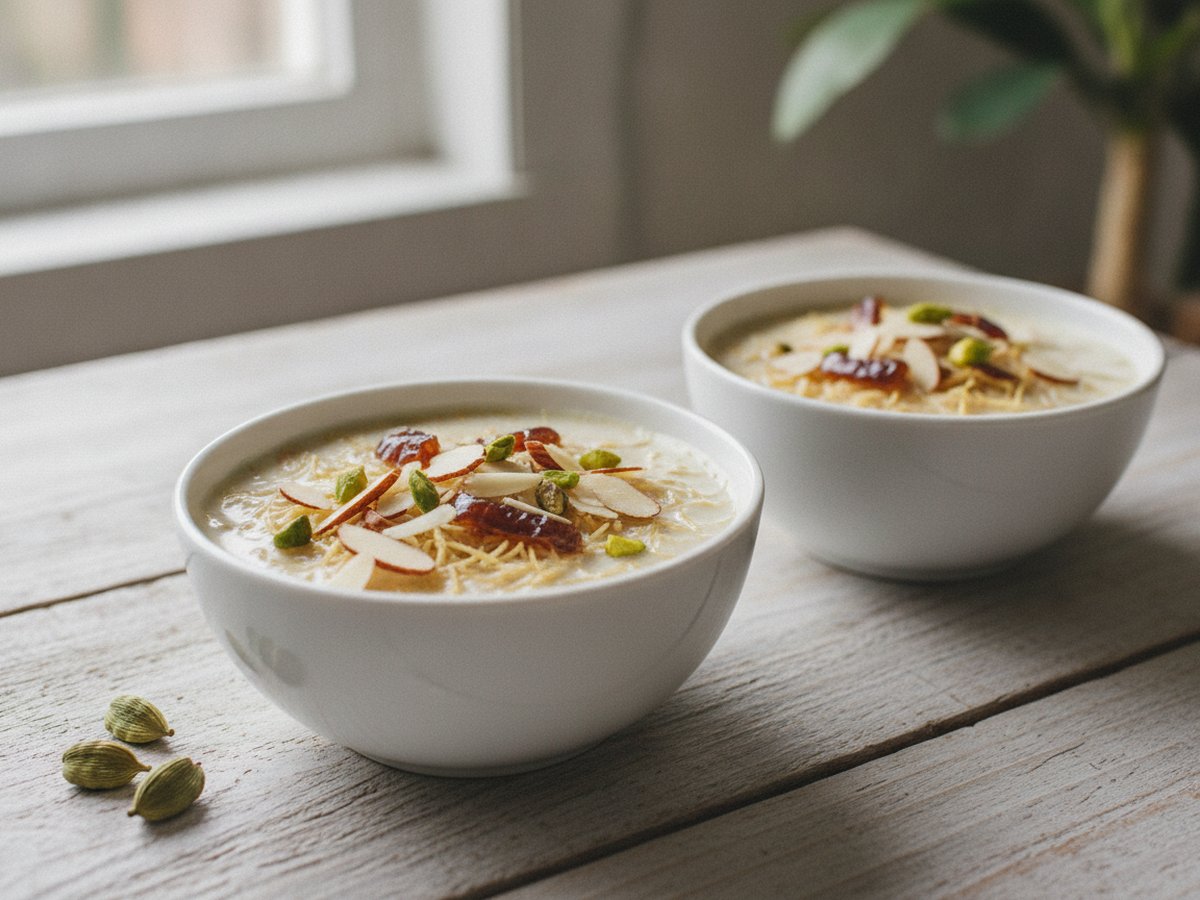
Sheer khurma is fine wheat vermicelli simmered in whole milk with dates, ghee-fried nuts, sugar and cardamom. It is the sweet served on the morning of Eid in Pakistan and in Muslim homes across South Asia, and it takes about 35 minutes from a cold pan to the bowl.
One thing decides whether it works: when you turn off the heat. Sheer khurma keeps thickening as it cools, so it has to leave the stove while it still looks too thin. Cook it until it looks right in the pot and it sets into a stiff mass in the bowls.
Last updated
Recipe
Sheer Khurma (Pakistani Eid Vermicelli Pudding)
Ingredients
For the nuts and dates
For the pudding
Method
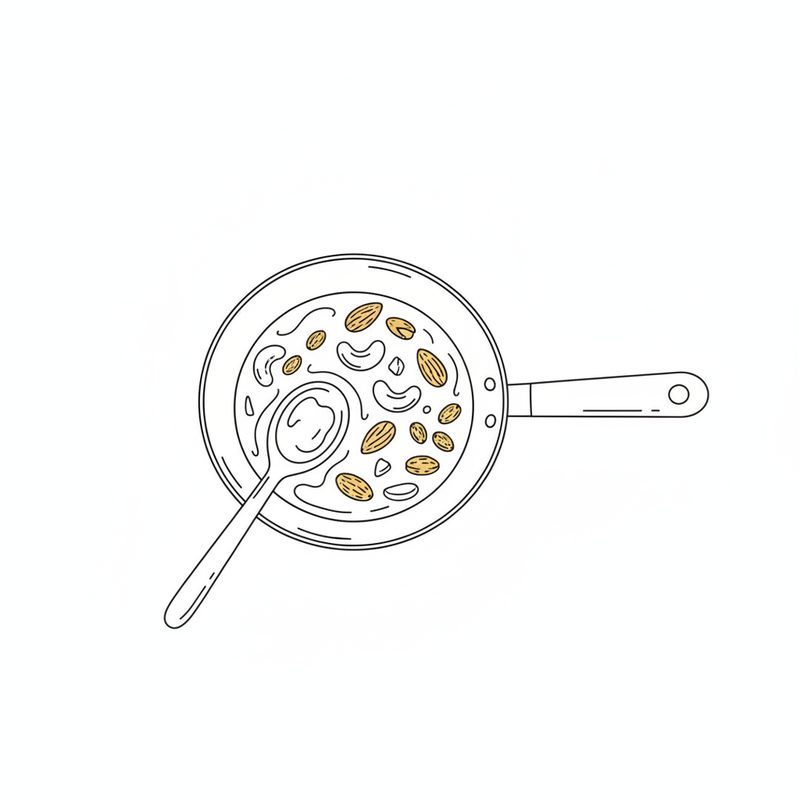
- Heat the ghee in a heavy-bottomed pot over medium heat. Add the almonds, cashews, pistachios and raisins and fry for 1 to 2 minutes, stirring, until the nuts are golden and the raisins puff up.
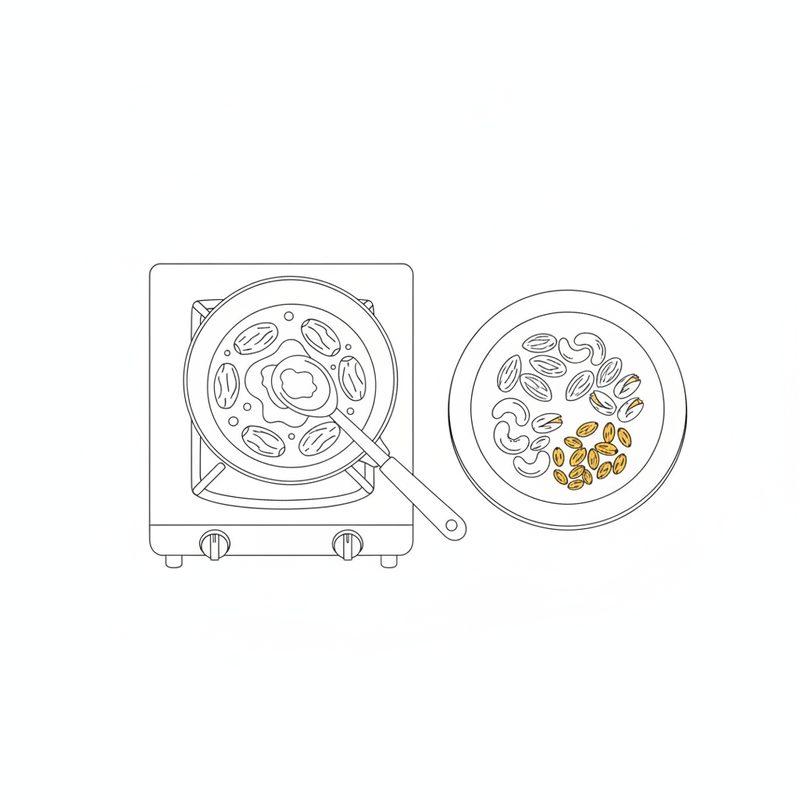
- Add the chopped dates and stir them in the ghee until they soften and smell sweet. Lift the nuts, raisins and dates out onto a plate, leaving the ghee in the pot.
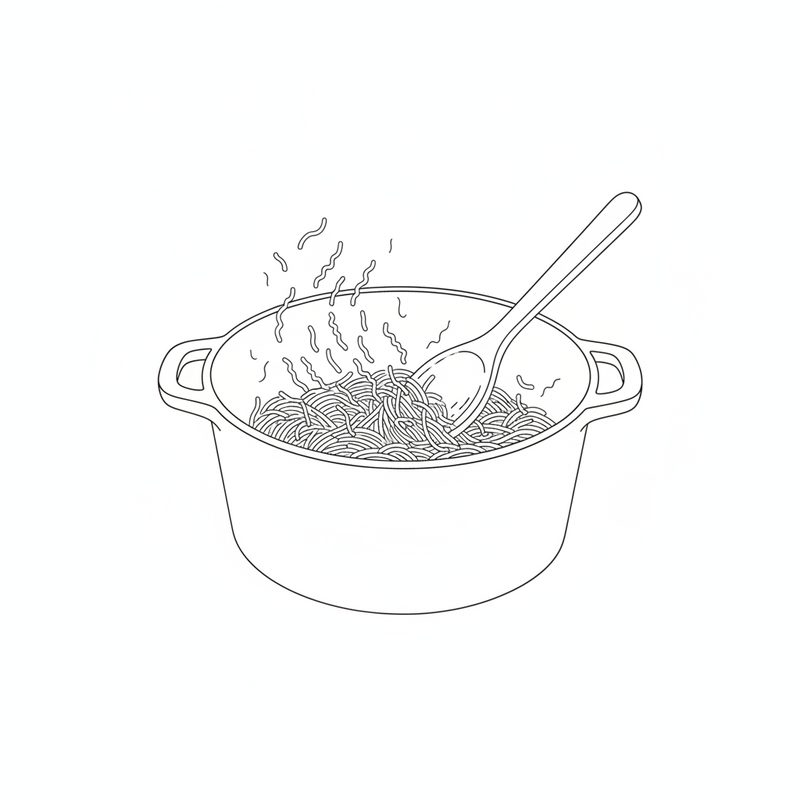
- Add the vermicelli to the same pot and stir it over low to medium heat for about 3 minutes, until light golden. If the pot looks dry, add a little more ghee. If you are using khoya, add it now and stir for 1 to 2 minutes more.
- Pour in the milk, turn the heat up and bring it to the boil, stirring often so the vermicelli does not stick to the bottom.
- Lower the heat to medium and simmer for 8 to 10 minutes, stirring and scraping the bottom every minute or two, until the vermicelli is soft and the milk has thickened slightly.
- Stir in the sugar, the cardamom and most of the fried nuts and dates. Cook for 2 to 3 minutes more on medium-low heat. Turn off the heat while the pudding is still runny; it thickens as it cools.
- Stir in the rose water, if using. Serve warm or chilled, topped with the remaining nuts and dates. If it has thickened too much, stir in a splash of milk.
What sheer khurma is
Sheer khurma is a milk pudding made with thin vermicelli, dates and nuts. It is pourable rather than set, closer to a thick, sweet milk than to a custard, and the vermicelli stays as soft strands rather than dissolving.
The name is Persian. Sheer means milk and khurma means dates, and those two are the dish. Everything else, the nuts, raisins, cardamom and rose water, changes from kitchen to kitchen.
It is most closely tied to Eid ul-Fitr, the celebration at the end of Ramadan, and it is also made for Eid al-Adha. Where the dish first came from is told in different ways; some accounts place its beginnings in Afghanistan or Central Asia, and this page does not try to settle the question.
The step most people get wrong
Most sheer khurma goes wrong by being cooked too thick. The vermicelli keeps drinking milk after the heat is off, and the milk itself sets as it cools. The recipes compared for this page all warn about it in one form or another.
Turn off the heat when the pudding still runs off a spoon in a steady stream and you can see milk moving freely between the strands. Ten minutes later it will be close to the right consistency. If it has gone too far, stir in a splash of warm milk; that is the fix the sources give.
The second thing to watch is the bottom of the pot. Milk catches fast once the vermicelli is in, because the strands settle and hold the heat against the base. Use a heavy pot, keep the heat at medium once the milk boils, and scrape the bottom with the spoon every minute or two.
Which vermicelli to use
Use fine wheat vermicelli, the thin kind sold as seviyan or sewaiyan in South Asian shops. Thick pasta-style vermicelli stays chewy and never gives the soft, silky strands the dish is known for.
Seviyan is sold either plain or already roasted. Roasted seviyan is golden brown in the packet and only needs a minute in the ghee to warm through. Plain seviyan is pale cream and needs about 3 minutes of stirring over low to medium heat until it turns light golden and smells of toast.
Break long strands into short pieces of a few centimetres before you measure them. Fifty grams of fine vermicelli is about 1 loosely packed cup once broken.
Fresh dates or dried dates
Both are used, and they give different results. Soft dates, the kind you eat as they are, melt slightly into the milk and sweeten it. Dried dates, called chuara or chhuhara, stay firm and chewy, and are the older choice in many Pakistani kitchens.
The card uses soft dates because they need no planning. If you use dried dates, soak them in water overnight, remove the stones and slice them into thin strips before frying, as both Recipe52 and From Sushma’s Kitchen do. Recipe52 uses 2 to 4 of them; they are smaller and much denser than soft dates.
Step by step, in pictures
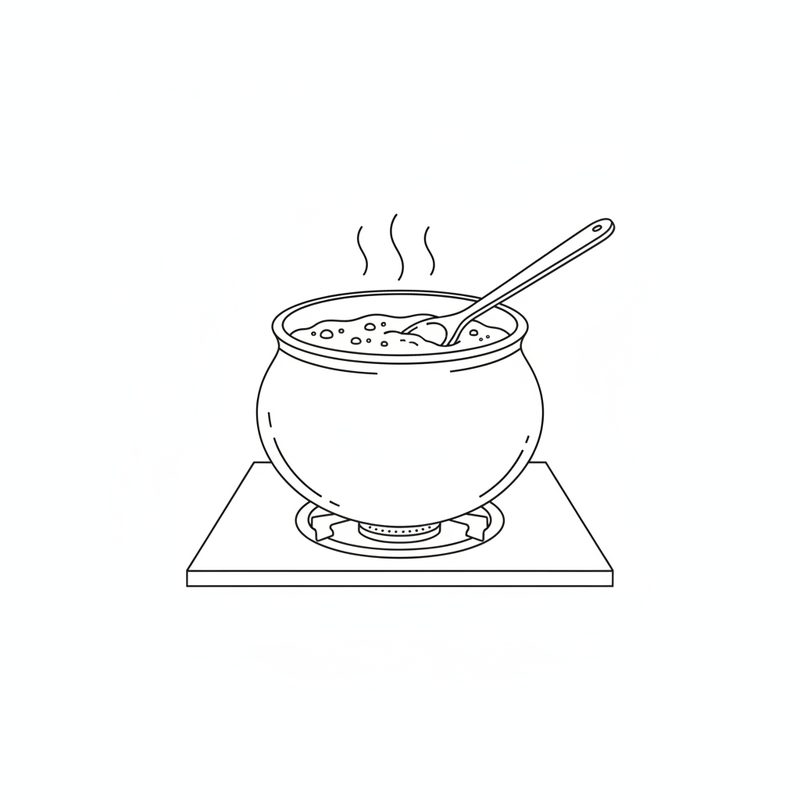
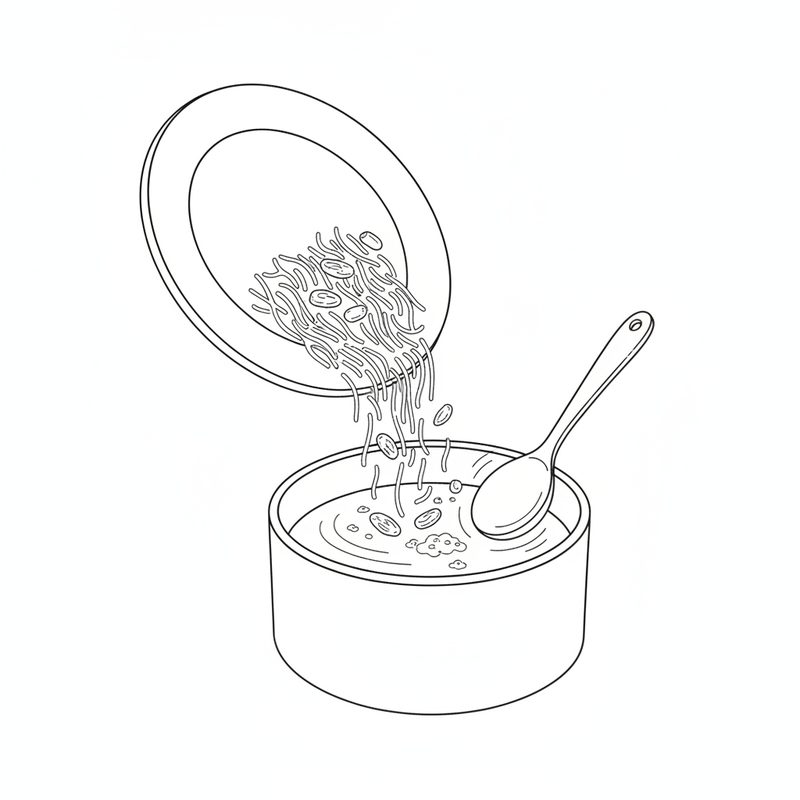
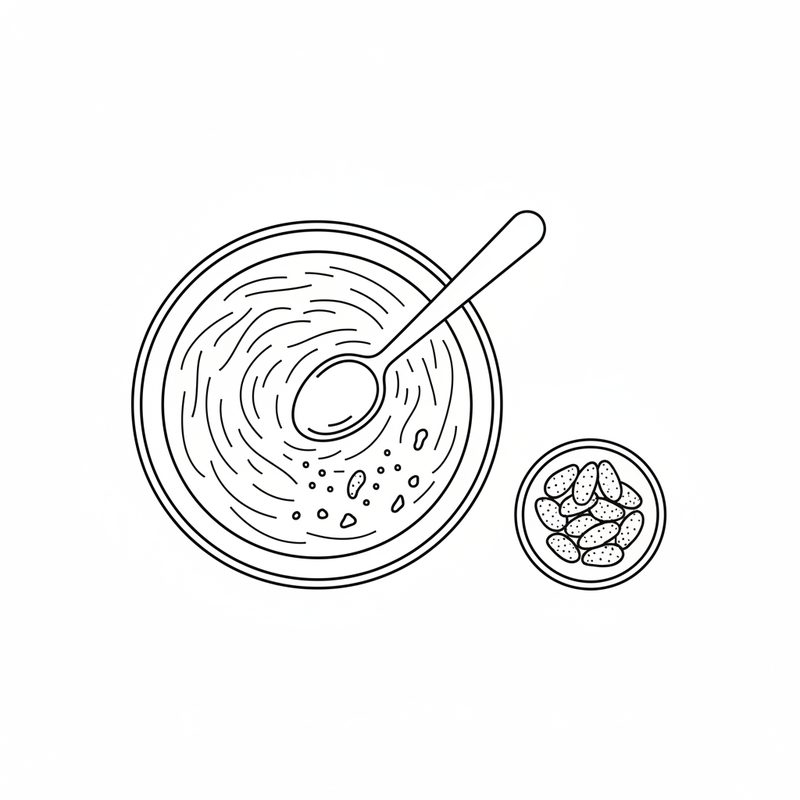
 Fry the nuts and raisins in ghee.
- Warm the dates briefly, then lift everything out.
- Toast the vermicelli to light gold.
- Add the milk and bring it to the boil.
- Simmer until the vermicelli is soft.
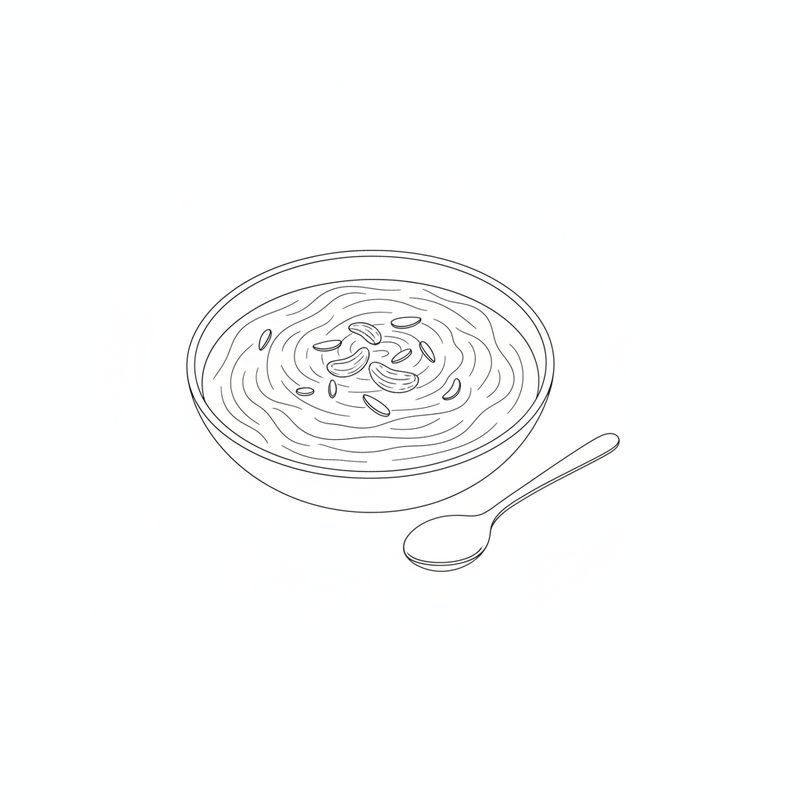
- Sweeten and season off the boil.
- Serve it loose, topped with the nuts.
Where the card numbers come from
The quantities on the card come from comparing three independently published recipes: Cook with Manali, Indian Healthy Recipes and Recipe52, with From Sushma’s Kitchen as a fourth check. A number went on the card when at least two of them agreed.
The base is 1 litre of whole milk to 50 g of fine vermicelli. Cook with Manali uses 1 litre of milk and Indian Healthy Recipes 960 ml; Indian Healthy Recipes and Recipe52 both give 50 g of vermicelli. Sugar is 50 g, the amount in Indian Healthy Recipes, with Cook with Manali at 4 tablespoons, which is the same quantity. All four recipes use 1/2 teaspoon of ground cardamom, and all three main sources serve 6.
Some numbers needed a choice, and the choice is named here. The 2 tablespoons of ghee are the Cook with Manali amount; Indian Healthy Recipes uses 3, so add a little more if your pan looks dry. The 12 pistachios are also Cook with Manali’s figure, where Indian Healthy Recipes uses 20. The 1 teaspoon of rose water follows Indian Healthy Recipes; Cook with Manali uses 1 1/2.
The times are the medians of what the three main recipes state: 10 minutes of preparation and 25 minutes of cooking.
Home style and shop style
The card is a home-style sheer khurma: loose, milky, and not too sweet. A richer version adds grated khoya (mawa), the cooked-down milk solids used in many sweets, which makes the pudding thicker and gives it a fudge-like depth. Cook with Manali and Indian Healthy Recipes both list it as optional, at 1/4 to 1/2 cup.
Other additions you will see are cream stirred in at the end and a pinch of saffron in the milk (both Recipe52), and chironji seeds fried with the nuts (Indian Healthy Recipes, From Sushma’s Kitchen). None of them changes the method.
A shorter route
Packet sheer khurma mixes, sold by brands such as Shan and National, are the quickest route: you cook the contents with milk and sugar following the packet. The result is sweet and thick, and it is a fair choice when you are cooking for a crowd.
What you lose is the nuts. A mix cannot give you nuts freshly fried in ghee, and that toasted, buttery flavour is most of what makes the dish. Frying a handful of almonds and pistachios in a spoonful of ghee and stirring them into a packet mix brings back much of what is lost.
Hot or cold
Sheer khurma is served both warm and chilled, and the recipes compared for this page say so. Warm, it is soft and loose. Chilled, it thickens into a spoonable pudding, so loosen it with a little cold milk before serving.
Storing sheer khurma
Cool sheer khurma quickly, cover it and keep it in the fridge, as with any milk dessert. It sets thick overnight because the vermicelli keeps absorbing milk. Stir in warm milk a few spoonfuls at a time while reheating it gently, and add the nuts on top just before serving so they stay crisp.
More Eid sweets
On an Eid table, sheer khurma often sits beside zarda, the sweet saffron rice, and fried sweets such as gulab jamun. For another milk-based sweet, ras malai serves soft dumplings in sweetened, thickened milk.
Questions people ask
Which semiya is used for sheer khurma?
Fine wheat vermicelli, sold as seviyan or semiya, is used for sheer khurma. Choose the thinnest you can find. Pre-roasted seviyan saves a step; plain seviyan needs about 3 minutes in ghee until light golden.
What is the difference between sheer khurma and kheer?
Kheer is usually made with rice cooked slowly in milk until thick, while sheer khurma is made with fine vermicelli and dates and cooks in about 25 minutes. A vermicelli kheer (seviyan kheer) is close to sheer khurma, but sheer khurma is defined by its dates and its ghee-fried nuts.
What are the ingredients of kheer?
Kheer is made from milk, rice and sugar, usually flavoured with cardamom and finished with nuts such as almonds and pistachios. Some versions add saffron or rose water.
Is sheer khurma served hot or cold?
Sheer khurma is served both hot and cold. Warm, it is loose and milky; chilled, it thickens, so stir in a little cold milk before serving.
Why did my sheer khurma become too thick?
It was cooked for too long, or it was left to stand. The vermicelli keeps absorbing milk after the heat is off. Stir in warm milk a little at a time until it runs off the spoon again.
Can I make sheer khurma ahead for Eid?
Yes. Make it the day before, cool it quickly and keep it covered in the fridge. Loosen it with milk before serving and add the fried nuts at the last moment so they stay crisp.