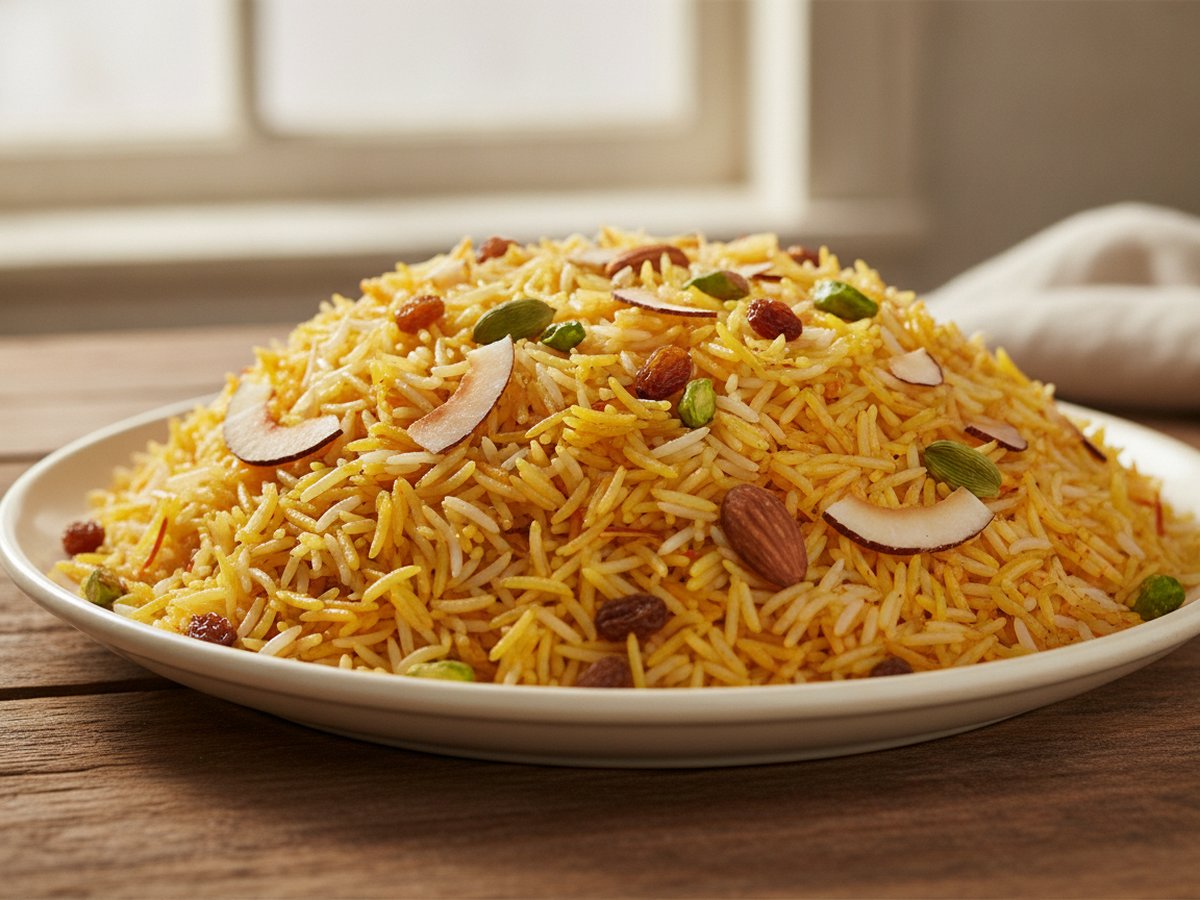
Zarda is Pakistani sweet rice: long-grain basmati boiled until almost done, then finished in a ghee and sugar syrup with cardamom, saffron or yellow colouring, raisins and nuts. It is also called meethe chawal, which simply means sweet rice. This is the rice dessert, not the Kansas City barbecue chain that shares the name.
One thing decides whether it works: the rice comes out of the boiling water before it is fully cooked. It finishes in the syrup under a lid, and if it was already soft when it went in, it turns to sweet mush instead of separate yellow grains.
Last updated
Recipe
Zarda (Pakistani Sweet Saffron Rice)
Ingredients
For the rice
For the syrup
To finish
Method
- Rinse the rice until the water runs clear, then soak it for 20 minutes. Sella rice needs 2 to 3 hours.
- Warm the milk, stir in the saffron and set it aside to bloom.
- Bring a large pan of water to a rolling boil with the cloves and salt. Add the drained rice, and the food colouring if using.
- Boil for 6 to 8 minutes, until a grain pressed between two fingers breaks with a small firm core. Drain and rinse briefly with cold water.
- In a wide heavy pan, melt the ghee over medium heat and toast the cardamom for 30 seconds. Add the sugar and water and stir until the sugar has completely dissolved and the syrup bubbles, 2 to 3 minutes.
- Add the rice and fold gently until every grain is coated. Pour the saffron milk over without stirring, then scatter the raisins, almonds, pistachios and coconut on top.
- Cover tightly, set a flat griddle under the pan and steam on the lowest heat for 10 to 12 minutes, until the syrup is absorbed.
- Fluff gently with a fork, rest uncovered for 5 to 10 minutes and serve.
What zarda is
Zarda is a sweet rice dish from Pakistani and Indian cooking, made for weddings and served at the end of festive meals. The grains stay long and separate, and each one is glossy with syrup rather than sitting in it. The colour runs from pale gold to bright orange, depending on whether saffron or food colouring does the work.
It is not a pudding. Kheer and the Danish risengrød are rice cooked in milk until creamy. Zarda is closer to a sweet pulao: dry, fluffy and eaten with a spoon.
What zarda is called in English
In English zarda is usually called sweet rice or sweet saffron rice. In Urdu and Hindi it is meethe chawal, sweet rice, and some cooks call it zarda pulao. The name comes from zard, the Persian word for yellow, which is the colour the dish is known for.
What zarda is made of
Zarda is made of basmati rice, sugar, ghee, whole spices and a colouring, finished with dried fruit and nuts. Every recipe compared for this page agrees on that core:
- Basmati rice, regular or sella (parboiled).
- Sugar, melted into a syrup with a little water or milk.
- Ghee, or butter in some versions.
- Green cardamom and cloves, used whole.
- Saffron, or yellow or orange food colouring, or both.
- Raisins, almonds and pistachios, often with dried coconut.
Wedding versions add more on top, such as khoya (dried milk solids) and edible silver leaf. None of them change the method.
The step most people get wrong
Overcooking the rice in the first boil is the mistake that ruins zarda. Take the rice out when it is about 90 percent done: press a grain between two fingers and it should break, with a small firm white core still in the middle. The published recipes put that at 5 to 8 minutes of boiling for soaked basmati.
The grain still has two jobs left. It has to absorb the syrup, and it has to steam through under the lid. A grain that is already soft has no room for either, so the syrup only coats the outside, the grains split and the pan turns sticky.
The second thing to watch is the syrup. Let the sugar dissolve completely before the rice goes in. Undissolved sugar crystallises on the grains and leaves a gritty finish.
Zarda, step by step
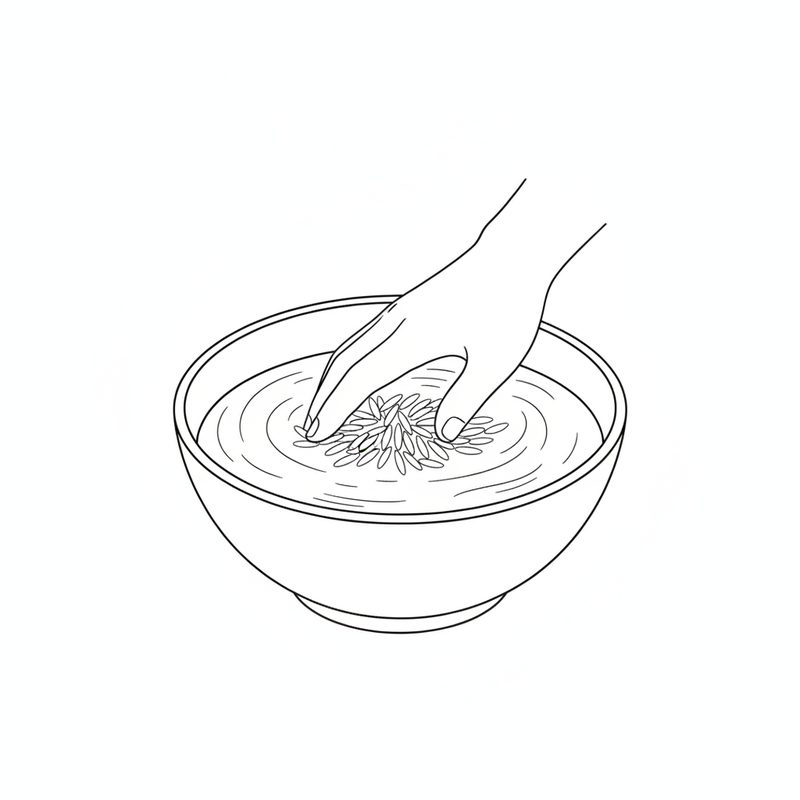
 Rinse the rice until the water runs clear, then soak it for 20 minutes.
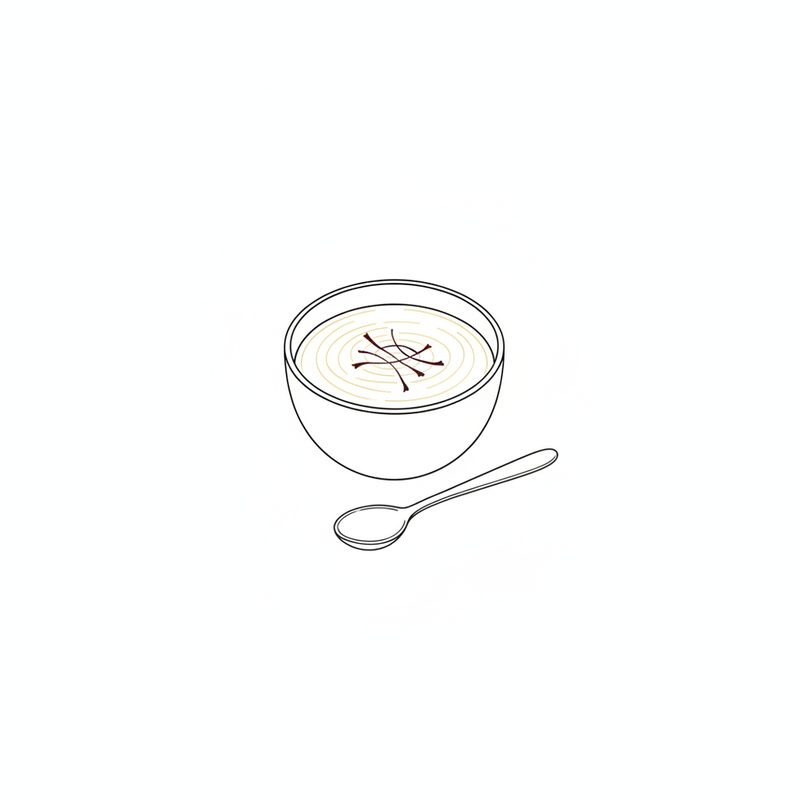
- Stir the saffron into the warm milk and leave it to bloom.
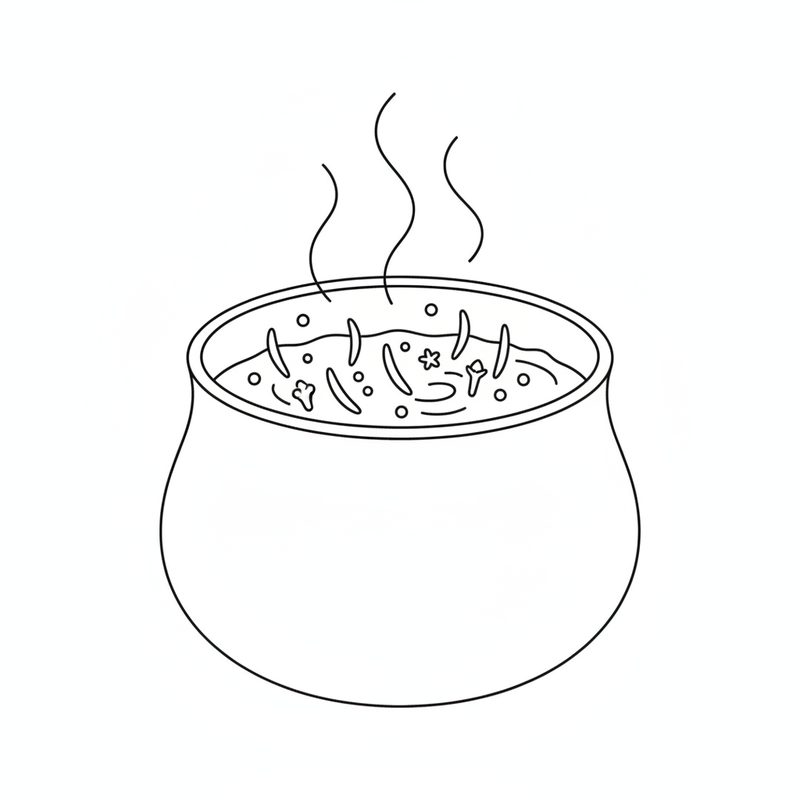
- Boil the rice with the cloves and salt for 6 to 8 minutes.
- Drain it while the centre of each grain is still firm.
- Melt the ghee, toast the cardamom, then dissolve the sugar into a syrup.
- Fold in the rice, add the saffron milk and nuts, cover and steam on the lowest heat.
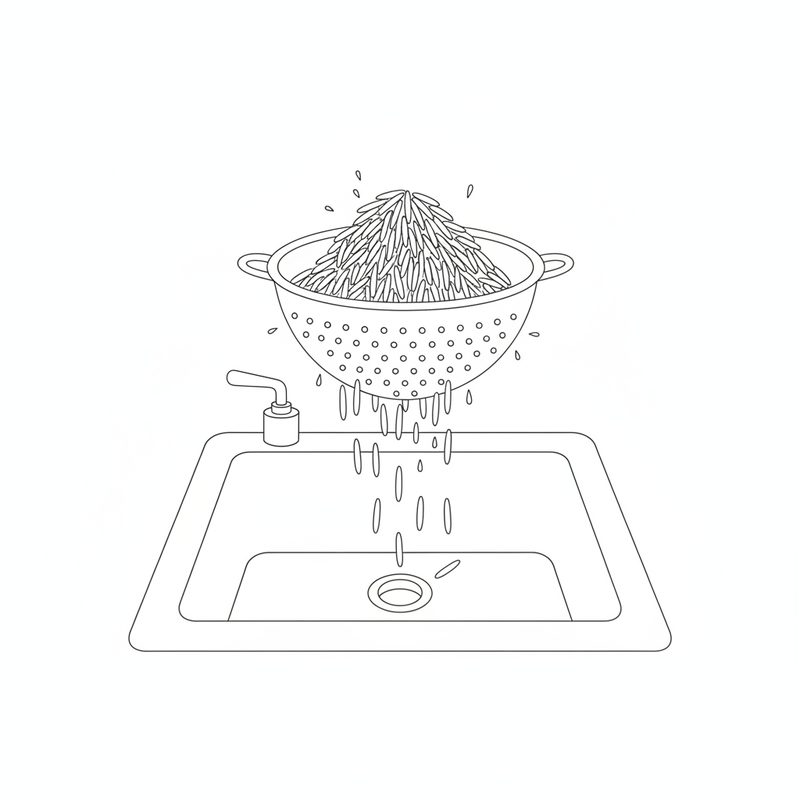
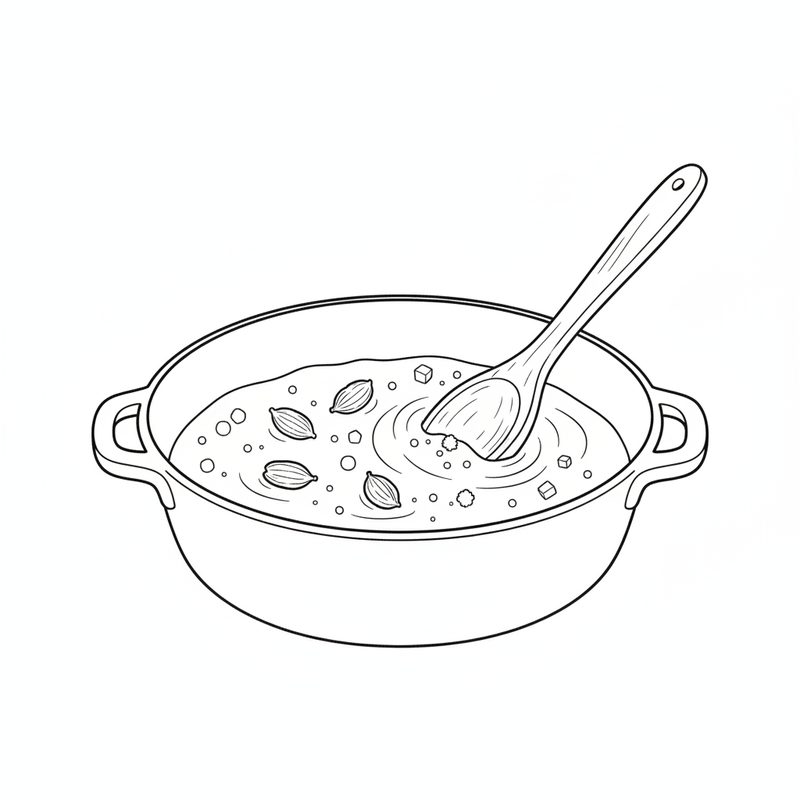
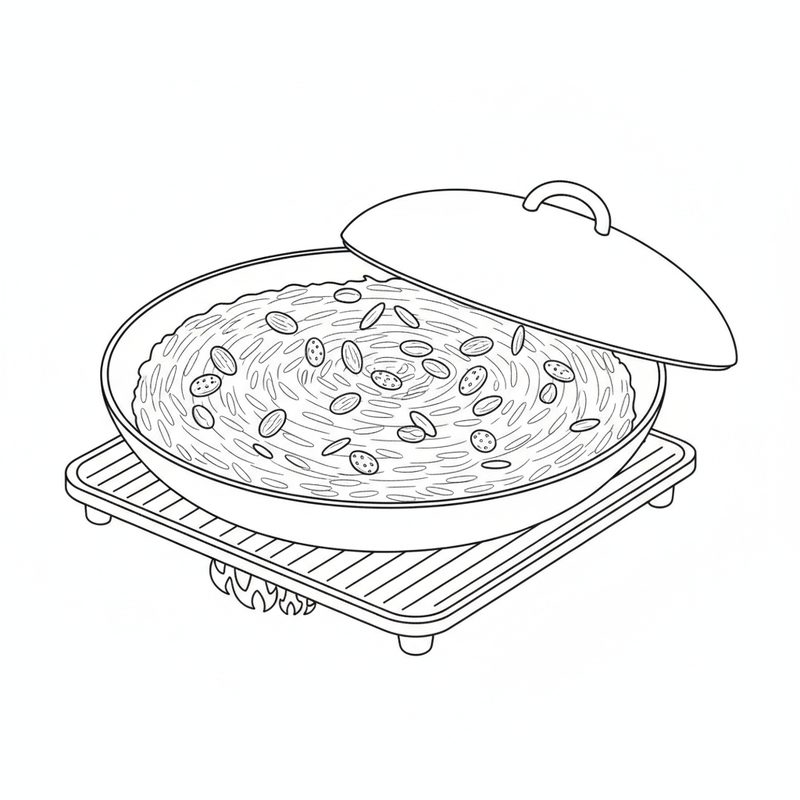
How sweet zarda should be
Half a cup of sugar to one cup of rice is the most common ratio, and it is the amount in the card. The four recipes compared here range from half a cup to a full cup for the same cup of rice:
| Source | Rice | Sugar |
|---|---|---|
| Shahzadi Devje | 1 cup | ½ cup |
| Beauty Without Cruelty India | 1 cup | ½ cup |
| Sinfully Spicy (Instant Pot) | 1 cup | ¾ cup |
| Chili to Choc | 1 cup | 1 cup |
Half a cup gives a dessert rice that still tastes of rice. A full cup is the sweeter, stickier style served at weddings. If you want it sweeter, go up a quarter cup at a time.
The other numbers in the card follow the same rule: a quantity goes in when at least two of the recipes agree. Where they did not, the card names its choice. The 2 tablespoons of ghee follow Chili to Choc; Shahzadi Devje uses 1 of butter and Sinfully Spicy uses 3. The half cup of water for the syrup follows Shahzadi Devje, because Chili to Choc makes its syrup with milk alone.
Saffron or food colouring
Home-style zarda leans on saffron; wedding and degi-style zarda is usually bright orange, and that colour comes from food colouring. Saffron gives a soft gold and a flavour of its own. Colouring gives the vivid shade and no taste. Many cooks use both: colouring in the boiling water for the base colour, and saffron milk poured over at the end for flavour.
Leaving the colouring out entirely is fine. The rice will be pale gold, with streaks of deeper yellow where the saffron milk landed.
Sella or regular basmati
Sella basmati is parboiled before it is sold, so the grains are tougher and stay separate more easily. It needs a much longer soak: Chili to Choc soaks it for 2 to 3 hours. Regular basmati needs about 20 minutes and cooks faster, but it breaks sooner if the boil runs long. Either works with this method; only the soak and the watchfulness change.
The shorter route
You can skip the boil-and-drain step. Cook the soaked rice in a measured 2 cups of water until it is half done, about 7 to 8 minutes, then stir in the sugar, cover and cook on low for 15 minutes. This is how the Beauty Without Cruelty India recipe does it. You save a pan and the draining, and you lose control: the grains sit in more liquid, so they come out softer and less separate.
What goes wrong, and what it looks like
- Mushy, clumped rice: the first boil went too long. Drain while the core is still firm.
- Gritty grains: the sugar had not dissolved before the rice went in.
- A burnt layer on the bottom: the heat was too high during the steam. Set a flat griddle or tawa under the pan, as Chili to Choc recommends, and keep the flame at its lowest.
- Rice still wet after steaming: uncover it and let it rest for 5 to 10 minutes; the surface moisture goes as it stands.
Serving and storing zarda
Serve zarda warm or at room temperature, after a main course such as biryani, or on a dessert table beside milk sweets like ras malai. A cup of masala chai goes well with it at the end of the meal.
Cool leftovers quickly and refrigerate them. Food Standards Scotland advises chilling cooked rice within an hour and eating it within 24 hours. Reheat it in a covered pan with a spoonful of water over low heat until it is steaming hot all the way through.
Questions people ask
Is zarda the same as meethe chawal?
Yes. Meethe chawal means sweet rice in Urdu and Hindi, and it is the everyday name for zarda. Zarda pulao is a third name for the same dish.
Can I make zarda without food colouring?
Yes. Use saffron soaked in warm milk instead. The rice will be pale gold rather than bright orange, and it will taste of saffron.
Can I use butter instead of ghee?
Yes. Shahzadi Devje’s version uses butter. Ghee gives a nuttier flavour and takes higher heat before it browns.
Why is my zarda sticky?
The rice was cooked too far in the first boil, or it was stirred too hard once it went into the syrup. Drain the rice while the centre is still firm and fold it gently.
Is zarda served hot or cold?
Warm or at room temperature. It firms up in the fridge, so warm leftovers gently with a spoonful of water before serving.