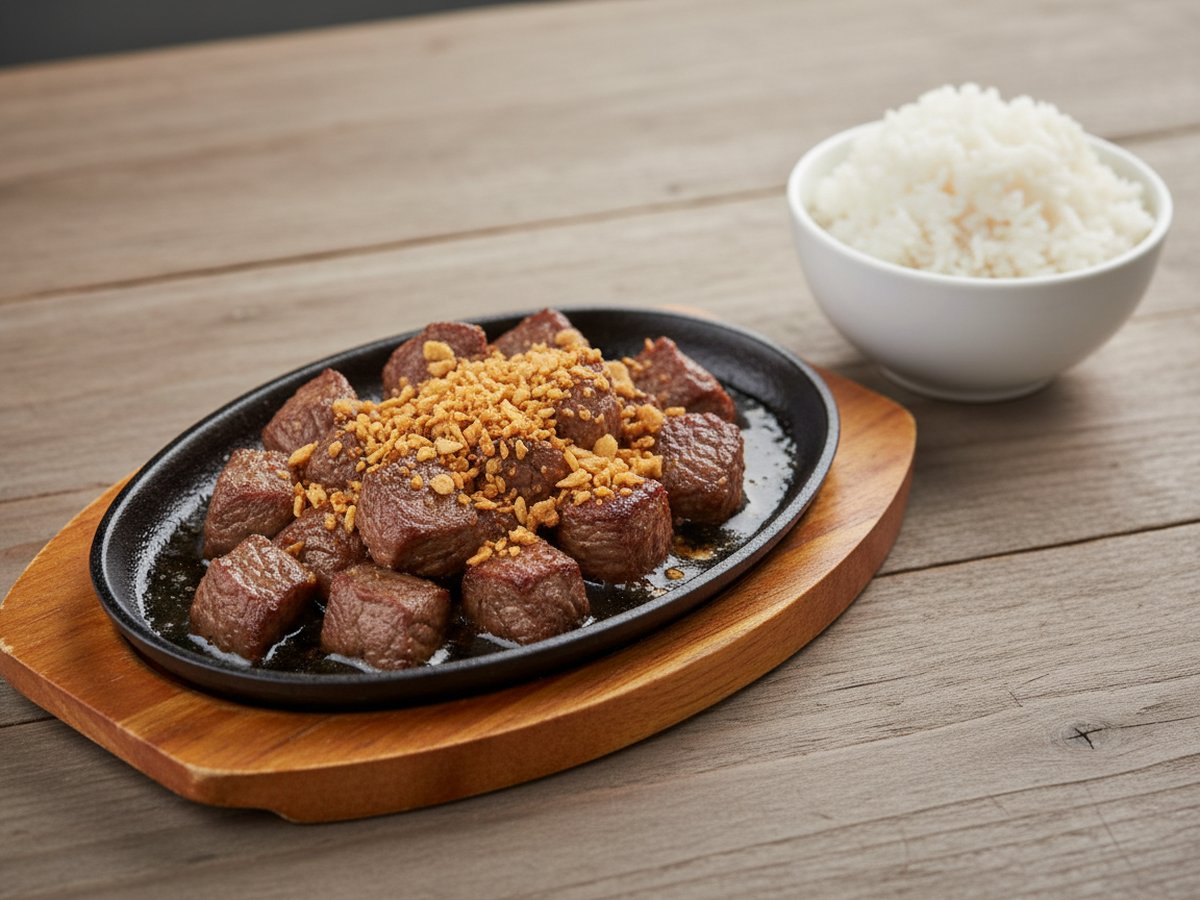
Beef salpicao is a Filipino garlic beef stir-fry: cubes of tender steak seared hard over high heat, tossed in butter, Worcestershire sauce, soy sauce and oyster sauce, and finished with a heap of crisp fried garlic. It tastes salty, savoury and rich, with a gentle tang from the Worcestershire and a lot of garlic. You eat it with rice.
The card below makes 4 servings from 1 pound (450 g) of beef. Every quantity in it was checked against several published recipes. Where they disagree, the text says so and names the version used.
Last updated
Recipe
Beef Salpicao (Filipino Garlic Beef)
Ingredients
Method
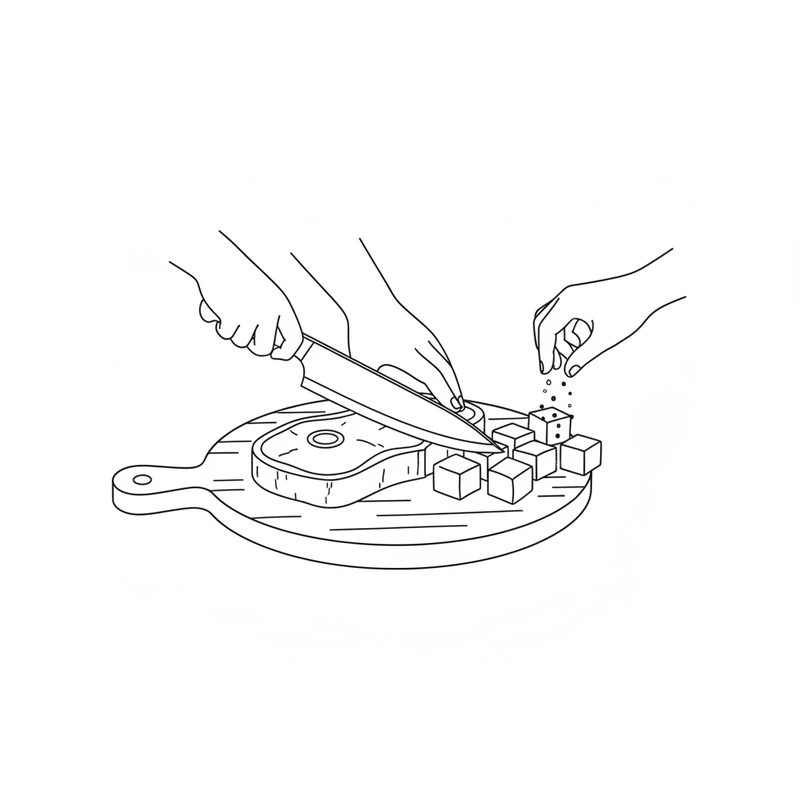
- Cut the beef into 1-inch (2.5 cm) cubes. Season them with the salt and pepper and leave them on the board while you make the sauce.
- In a small bowl, whisk the Worcestershire sauce, soy sauce, oyster sauce, brown sugar and chili flakes until the sugar dissolves.
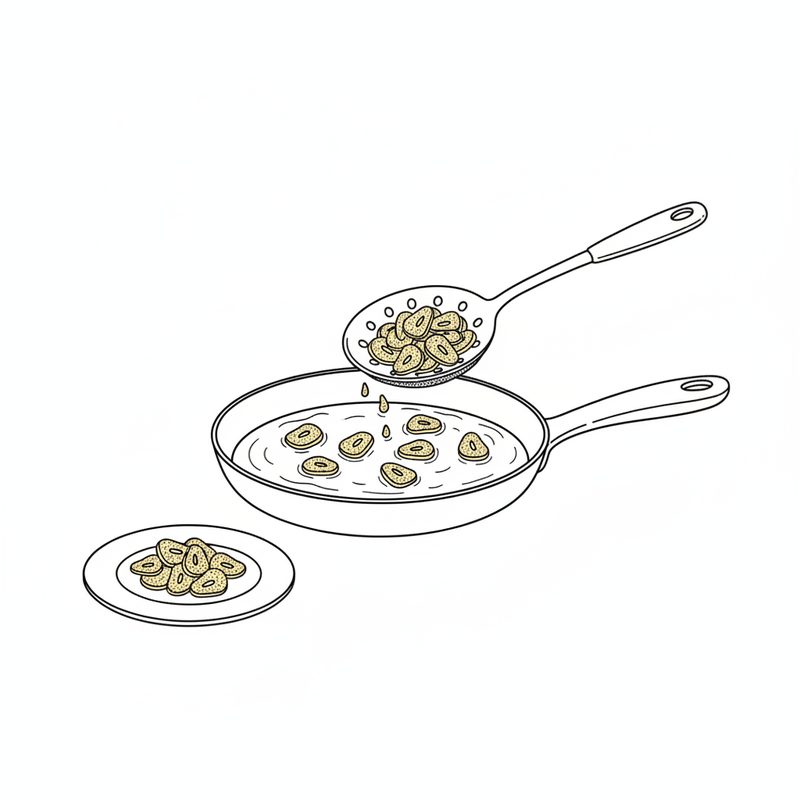
- Put the oil and garlic in a wide pan over medium-low heat. Stir until the garlic is light gold and crisp, then lift it out onto a plate. Keep the oil in the pan.
- Turn the heat to high. When the oil shimmers, add the beef in a single layer with space between the cubes, in batches if needed. Sear 1 to 2 minutes per side, until browned outside.
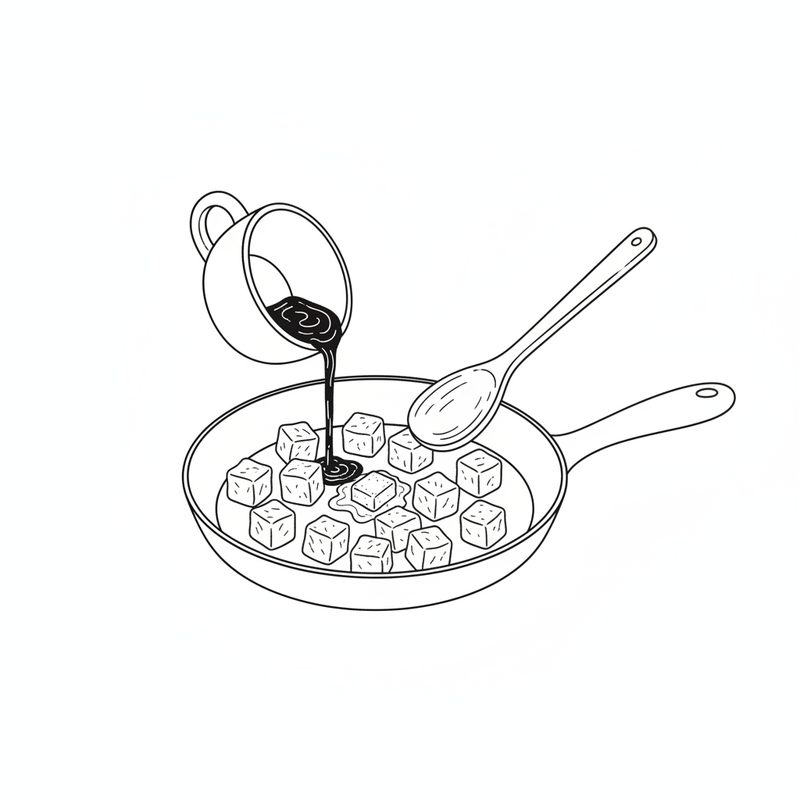
- Return all the beef to the pan. Add the butter and the sauce and toss until the butter melts and the sauce turns glossy and clings to the beef.
- Take the pan off the heat. Stir in half the fried garlic, scatter the rest on top with the chives, and serve hot with rice.
What is beef salpicao?
Beef salpicao is bite-size beef seared in a very hot pan and coated in a buttery, garlicky sauce built on Worcestershire and soy. It is quick, it is cooked in one pan, and it is served as a main dish with rice or as pulutan, the food that goes with drinks.
The name is usually traced to the Spanish verb salpicar, to sprinkle or splash. Pepper.ph, Chisel & Fork and Foxy Folksy all give that explanation. Pepper.ph also says plainly that Filipino salpicao has no definitive origin story, and Latest Recipes calls it a dish of Spanish or Portuguese influence. So the honest answer is: the name is Spanish, the dish as cooked today is Filipino, and the history in between is not settled.
One thing it is not. Foxy Folksy points out that Filipino salpicao is a different thing from salpicão, the Portuguese sausage.
Beef salpicao ingredients
You need tender beef, garlic, butter, oil and three bottled sauces: Worcestershire, soy and oyster. That is the core of every version compared for this page.
The beef. Use a tender steak cut, because salpicao cooks for minutes, not hours. The recipes call for tenderloin, ribeye or sirloin, cut into 1-inch cubes. Tenderloin is the most common choice in the recipes compared here; ribeye carries more fat. A tough stewing cut will stay tough.
The sauces. Worcestershire brings the tang and is the one sauce every recipe agrees on: 2 tablespoons per pound in four of them. Soy brings salt. Oyster sauce brings body and a little sweetness, so the sauce coats instead of running off. A pinch of brown sugar rounds it out; that half teaspoon comes from Chisel & Fork and you can leave it out.
The garlic. This is where cooks disagree most. Chisel & Fork and Foxy Folksy use 6 cloves per pound. Panlasang Pinoy uses a whole head for a pound and a half, and Latest Recipes a whole head for half a pound. The card says 6 cloves. If you love garlic, use a whole head. It will not ruin the dish.
Butter last. Two tablespoons per pound is the amount three recipes agree on. It goes in at the very end, so it melts into the sauce instead of burning in the hot pan.
Do you marinate beef salpicao?
You do not have to. Most quick versions only salt and pepper the beef and add the sauce at the end, which is what this recipe does.
The published recipes split three ways. Latest Recipes marinates the beef for at least 2 hours in olive oil, soy, Worcestershire and lemon or calamansi juice, then cooks it until the marinade is gone. Panlasang Pinoy gives it 10 minutes in Worcestershire and oil. Foxy Folksy coats the cubes in Worcestershire, pepper and cornstarch, which helps the sauce cling.
Here is the trade-off. Beef that goes into the pan wet with marinade gives off liquid and simmers before it browns. Dry, seasoned beef browns straight away, and the sauce becomes a glaze at the end. If you do marinate, drain the beef well before it hits the pan.
How to cook beef salpicao
Three things decide whether salpicao comes out browned and glossy or grey and watery: the heat, the space in the pan, and when the sauce goes in.
Fry the garlic first, gently. Garlic in oil over medium-low heat turns gold and crisp. Over high heat it goes from gold to bitter in seconds. Lift it out as soon as it is light gold, because it keeps darkening on the plate. The oil it leaves behind now tastes of garlic and is what the beef sears in.
Then get the pan very hot. Wait until the oil shimmers. Lay the cubes in one layer with space between them. If they touch, they steam. A pound of beef in a normal frying pan usually needs two batches. Chisel & Fork sears 1 to 2 minutes per side; you want a brown crust and a pink middle.
Sauce and butter go in last. Once all the beef is browned, the sauce and butter take under a minute. Toss until the butter melts and the sauce looks shiny and thick on the meat. Stop there. Every extra minute cooks the inside further.
The card gives a prep time of 10 minutes, which three of the recipes state exactly. It has no cook time on purpose: the stovetop recipes give 10, 20 and 30 minutes, mostly depending on whether you fry the garlic separately and how many batches you sear. A range that wide would not help you, so watch the crust instead of the clock.
Beef salpicao, step by step
 Cube and season the beef.
- Whisk the sauce.
- Fry the garlic, then lift it out.
- Sear the beef in one layer.
- Add butter and sauce, toss.
- Top with garlic and serve with rice.


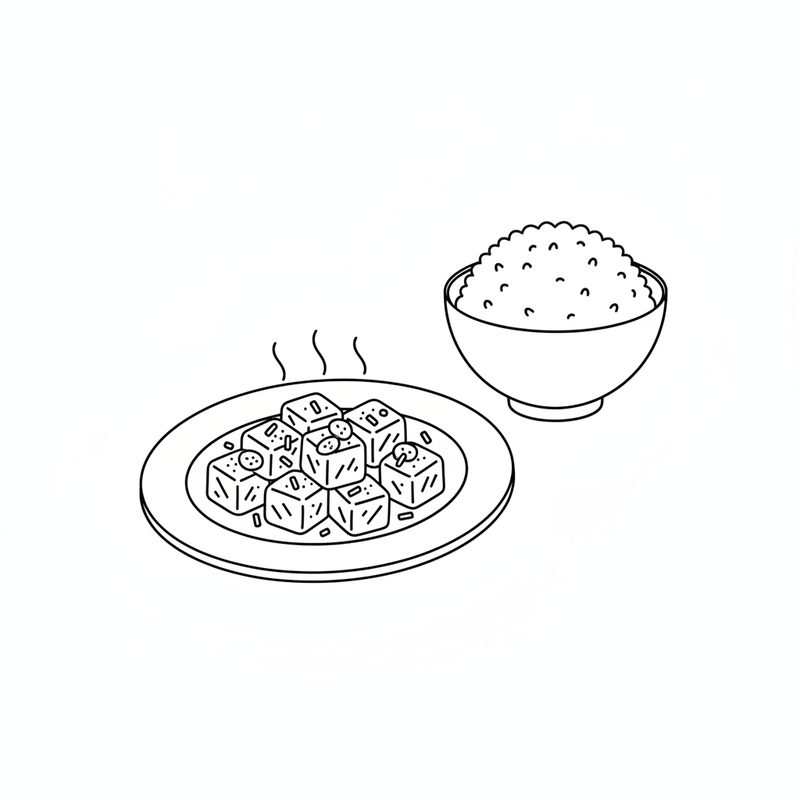
Salpicao, garlic butter steak bites and beef tapa
Salpicao is close to garlic butter steak bites: both are cubed steak seared in garlic and butter. The difference is the sauce. Salpicao adds Worcestershire, soy and oyster sauce, so it tastes saltier and deeper, and it is made to go on rice.
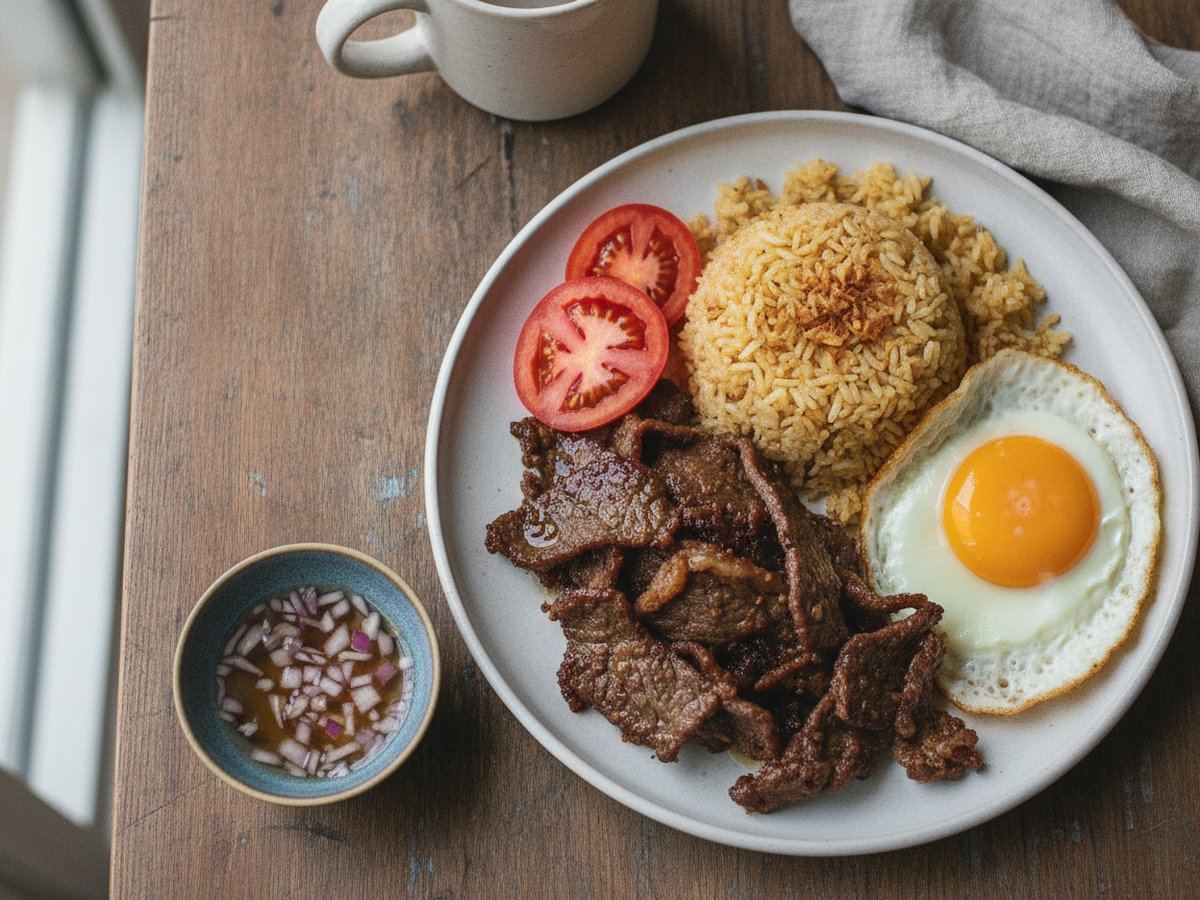
Beef tapa is the other garlic-and-soy beef of the Filipino kitchen, but it works the other way round: thin slices sit in a sweet, sour marinade for hours before frying. Salpicao is cubes, cooked the same day, in minutes. If you like soy and citrus on beef, bistek Tagalog is worth a look too, and beef sisig is another beef dish built for rice and for drinks.
Variations
- With mushrooms. Beef salpicao with mushroom is a common search and a common version. Add sliced mushrooms after the beef comes out of the pan, brown them, then return the beef.
- Chicken salpicao. The same sauce and garlic work on boneless chicken. Cook the chicken all the way through before the sauce goes in.
- With calamansi. Latest Recipes uses lemon or calamansi juice in its marinade, which gives a sharper, brighter salpicao.
- With liquid seasoning. Pepper.ph adds Knorr Liquid Seasoning to its sauce, a common addition in Filipino versions.
- With heat. Chisel & Fork and The Skinny Pot both add red pepper flakes, a quarter teaspoon per pound. It is optional on the card.
- In a pressure cooker. The Skinny Pot browns the beef and then pressure-cooks it, thickening the sauce with cornstarch. It is a different dish in texture, closer to a braise, and useful for a less tender cut.
What to serve with beef salpicao
Serve it with rice. Garlic fried rice is the classic pairing and plain steamed rice works just as well, because the sauce needs somewhere to go. Foxy Folksy also suggests it as an appetiser with beer, and on a Filipino table it fits easily as pulutan. Add something green and sharp on the side, such as sliced cucumber or a simple tomato and onion salad, to cut the butter.
Storing and reheating
Keep leftovers in an airtight container in the fridge for 3 to 4 days, as Foxy Folksy advises. Reheat in a pan or the microwave only until warm. The beef is already cooked, and more heat only makes it tougher.
The fried garlic goes soft once it sits in the sauce. If you are cooking ahead, keep some of it aside in a dry container and scatter it on after reheating.
Questions people ask
What does salpicao mean?
The name is usually traced to the Spanish verb salpicar, which means to sprinkle or splash. The dish itself is Filipino, and its exact origin is not settled.
What cut of beef is best for salpicao?
A tender steak cut: tenderloin, ribeye or sirloin, in 1-inch cubes. Salpicao cooks in minutes, so a stewing cut stays tough unless you braise it.
Can I make beef salpicao without oyster sauce?
Yes. Latest Recipes uses only soy sauce, Worcestershire and lemon or calamansi juice. The sauce will be thinner and less glossy, but the dish still works.
How many calories are in beef salpicao?
This page does not give a calorie count. The published recipes differ widely in how much butter, oil and beef they use, so any single number would be a guess.
Why did my salpicao turn grey and watery?
The pan was too crowded or not hot enough, so the beef steamed. Sear in batches over high heat with space between the cubes, and add the sauce only at the end.