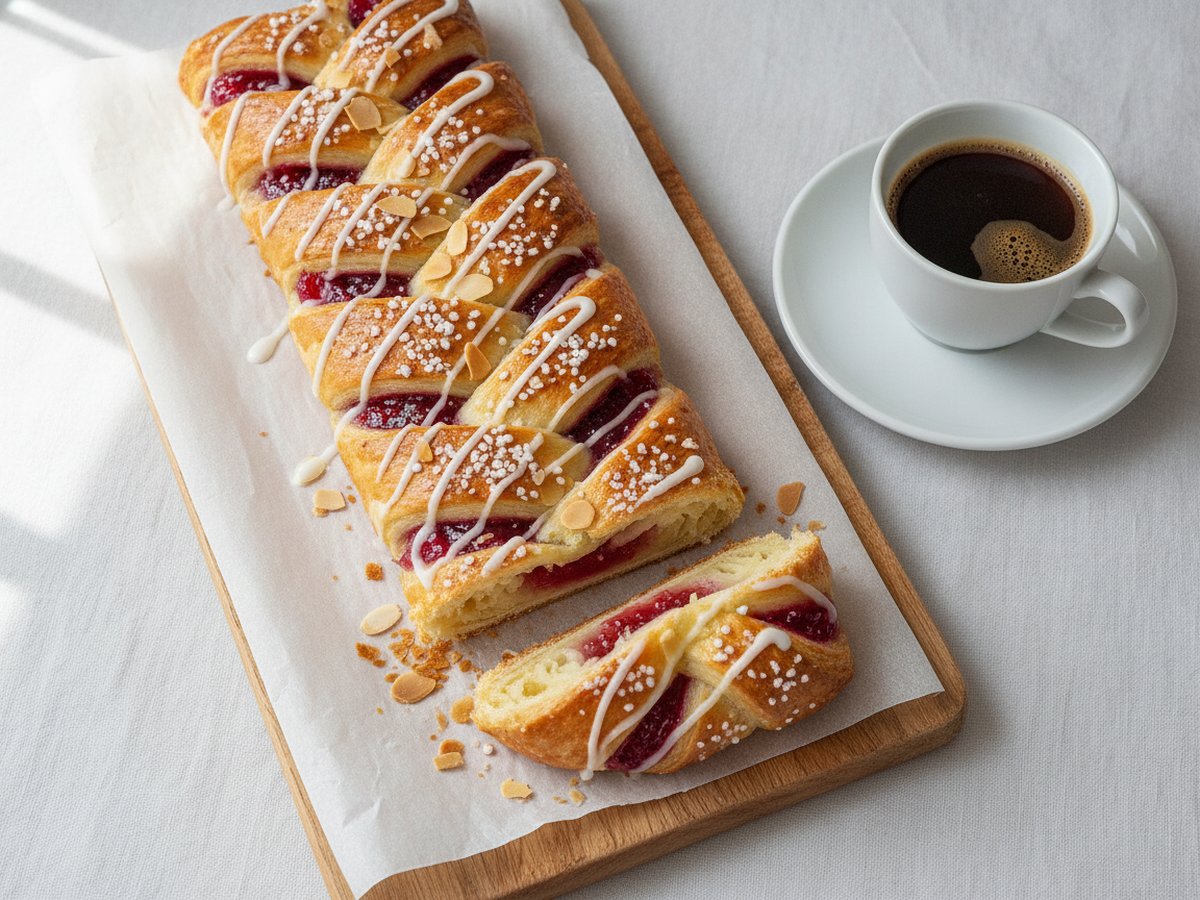
Wienerbrød (VEE-ner-bruhd) is the Danish name for laminated yeast pastry, the dough the rest of the world calls a Danish. This recipe makes the long braided version: two plaits of butter-layered dough folded over raspberry jam, finished with pearl sugar and a thin almond icing.
The dough here is the quick kind. The butter is pulsed into the flour in lumps instead of being rolled in as a slab, so there is no butter block to temper. It still needs a long rest in the fridge, which is most of the time this recipe takes.
Last updated
Recipe
Wienerbrød Recipe (Danish Pastry Braid)
Ingredients
Dough
Filling
Topping
Icing
Method
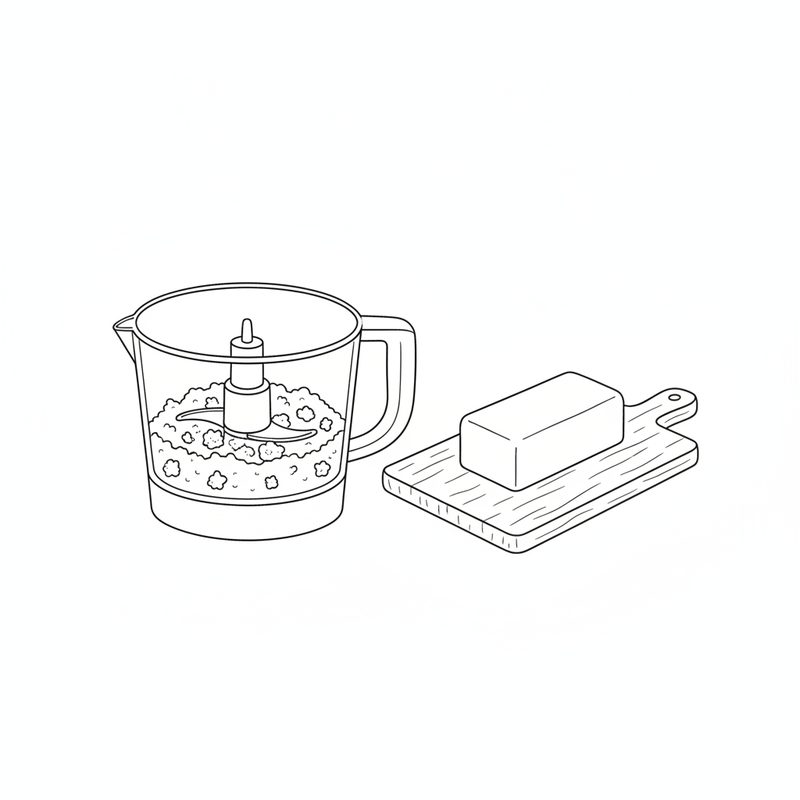
- Put the flour in a food processor. Cut the cold butter into 5 mm slices, add it and pulse until the butter is in pieces about the size of kidney beans. Stop there; the lumps make the layers.
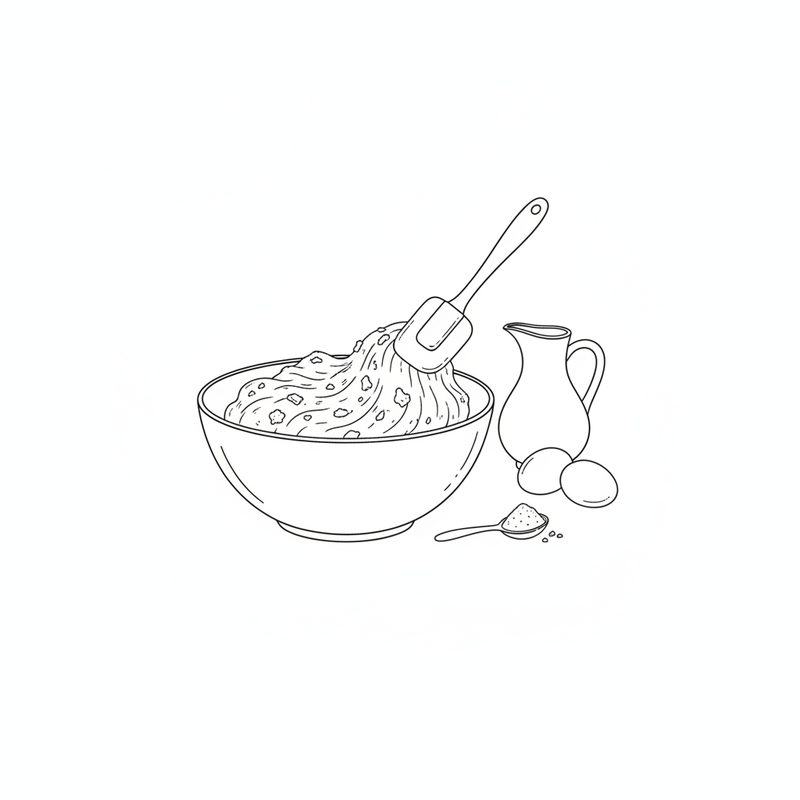
- Dissolve the yeast in the warm water and leave it for 10 minutes. Stir in the cream, cardamom, salt, eggs and sugar. Tip in the flour and butter and fold with a spatula only until the flour is moistened. Cover and chill for at least 4 hours, or overnight (up to 4 days).
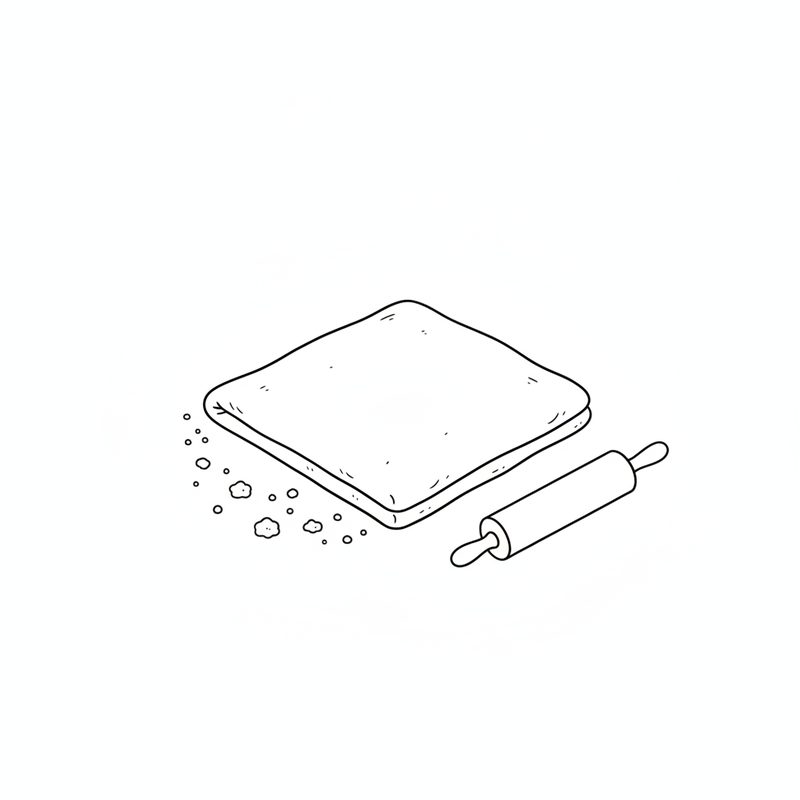
- Turn the dough onto a floured counter and roll it to a square of 40-50 cm (16-20 in). Fold it in thirds, give it a quarter turn and fold in thirds again, then turn it over. Repeat the rolling and folding twice more, three times in all. Wrap and chill for 30 minutes.
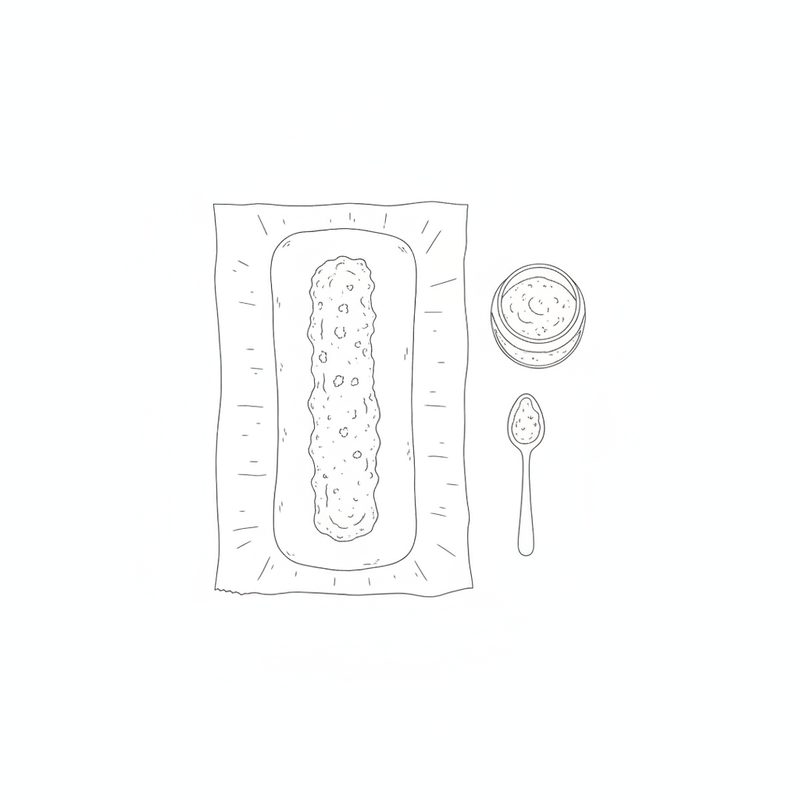
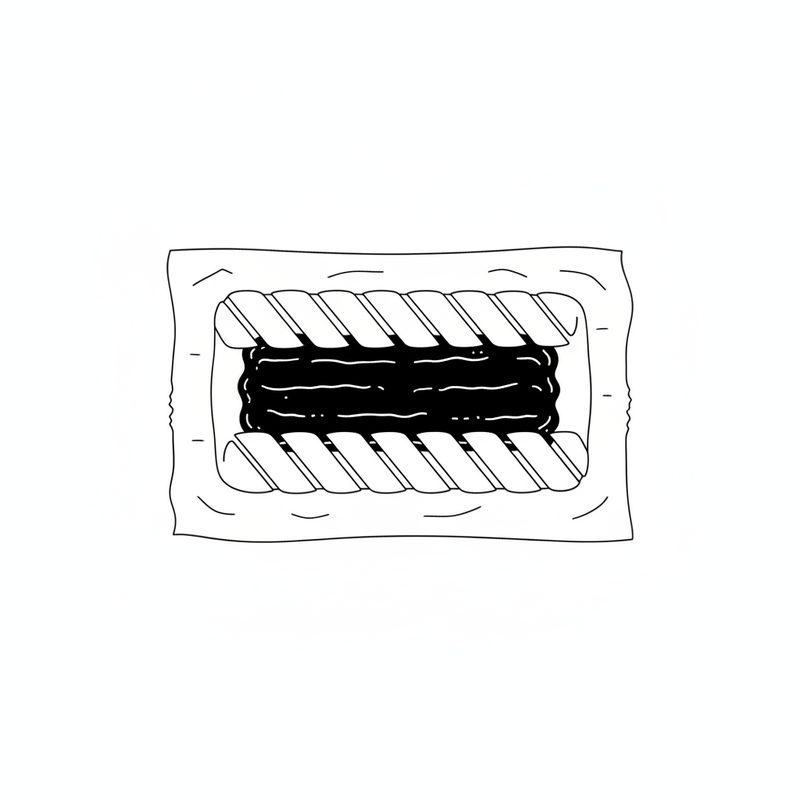
- Heat the oven to 200 C (400 F) and line two baking sheets with baking paper. Halve the dough and roll each half to a rectangle of about 15 x 30 cm (6 x 12 in). Spread the jam down the centre third of each.
- Cut slanting strips about 2 cm (3/4 in) wide along both long sides, stopping just short of the jam. Fold the strips over the filling, alternating sides, so they cross.
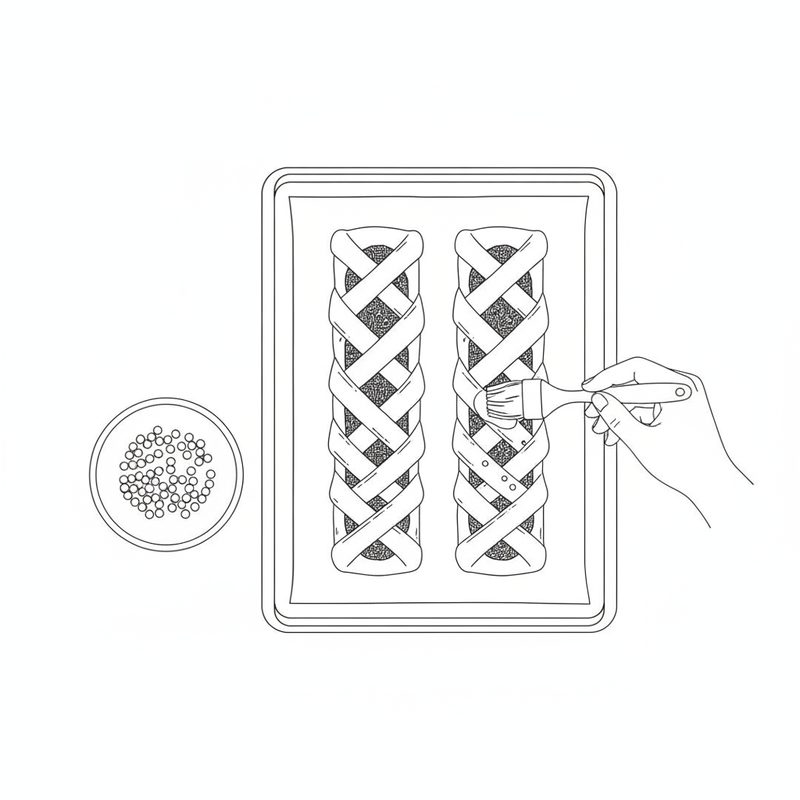
- Move the braids to the sheets and leave them for 15-30 minutes, until puffy. They will not double. Brush with the egg wash and sprinkle with pearl sugar and almonds.
- Bake for 15-20 minutes, until deep golden all over; check at 15. Cool on the tray. Mix the icing sugar, milk and almond extract, drizzle it over and let it set before slicing.
What is wienerbrød?
Wienerbrød means Viennese bread, and it is what Danes call every pastry made from laminated, yeast-raised dough. In English it is a Danish pastry, or simply a Danish.
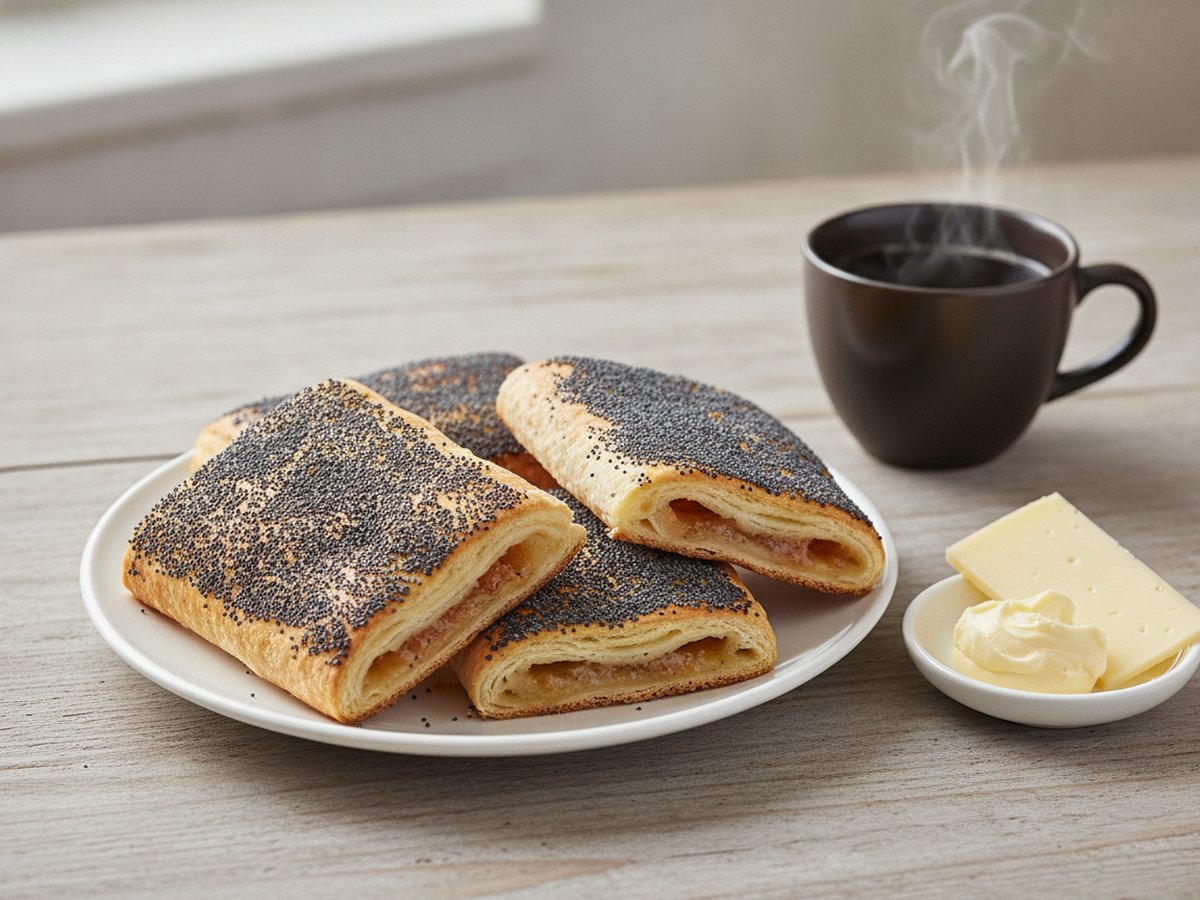
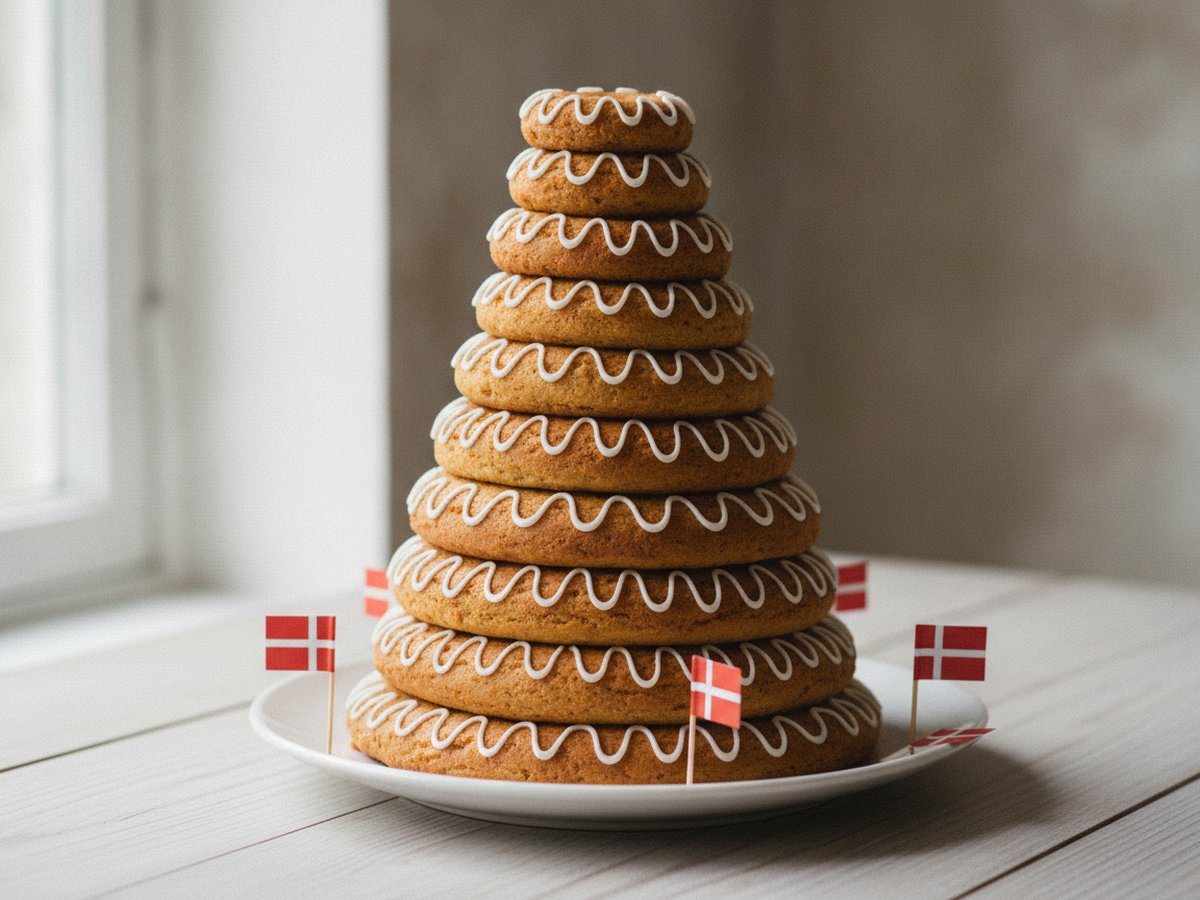
It is a family of shapes, not one pastry. The same dough becomes spandauer, the square pastries with custard or jam in the middle, and the large pretzel-shaped kringle. A wienerbrødsstang is a long strip with the edges folded over a filling. The braid on this page belongs to the same group. Tebirkes, the poppy seed pastry, is a separate thing with its own dough and filling.
A braid is served in slices, with coffee. It is the easiest shape to make at home because it is one piece of dough, not twelve.
Why is it called Viennese bread?
The name points to Austrian bakers. According to the Wikipedia entry on Danish pastry and to North Wild Kitchen, Copenhagen bakery workers went on strike around 1850, and the owners brought in bakers from abroad, including from Vienna. Those bakers used lamination, the layering of dough and fat. Danish bakers took the technique and added more butter.
The dough: quick lamination in a food processor
This dough gets its layers from cold butter cut into the flour in pieces about the size of kidney beans, then rolled and folded three times. The lumps flatten into sheets as you roll, and those sheets become the flakes.
The classic method wraps a flat slab of butter in dough and gives it several turns with rests in between. It produces finer, more even layers, and it takes a day. The quick method gives a slightly rougher pastry with the same taste, and it suits a braid, where the dough is cut into strips anyway.
Two things decide whether it works. The butter must stay cold enough to keep its lumps, and the dough must rest long enough in the fridge for the flour to hydrate. If butter is smearing onto the counter while you roll, stop and chill the dough for 15 minutes.
Cardamom is in the dough, not the filling. It is a small amount, half a teaspoon for the whole batch, and it is what makes the pastry taste Scandinavian rather than French.
How the quantities were checked
The card uses the quantities of the braid recipe published by My Danish Kitchen. They were checked against two independent recipes: the wienerbrød braid by Anneka Manning on SBS Food, and the wienerbrødsstang and pastry dough from Skandibaking. Measured per 100 g of flour, the first two agree within 10 percent on every dough ingredient.
| Per 100 g flour | My Danish Kitchen | SBS Food | Skandibaking |
|---|---|---|---|
| Butter | 72 g | 74 g | 90 g |
| Sugar | 11 g | about 11 g (2 tbsp per 250 g) | 14 g |
| Eggs | 0.4 | 0.4 | 0.6 |
| Cardamom | yes | yes | no |
| Oven | 400 F (200 C) | 200 C | 190 C |
| Bake | 12 to 15 min | 20 to 25 min | 15 to 20 min |
The oven temperature is the one two sources share, 200 C (400 F). The baking time is the middle of the three ranges, 15 to 20 minutes. Prep and total time are left off the card on purpose: the sources disagree by far more than double, because one chills the dough for four hours and the others overnight. Plan on starting the day before.
My Danish Kitchen does not measure the jam. SBS uses 5 tablespoons for a batch half this size, so the card doubles that.
Wienerbrød braid, step by step
 Pulse the flour and cold butter until the butter is in bean-sized lumps.
- Mix the yeast liquid, fold in the flour and butter, then chill.
- Roll and fold in thirds, three times, then chill 30 minutes.
- Roll each half to 15 x 30 cm and spread jam down the middle.
- Cut slanting strips along both sides of the jam, then fold them across.
- Let the braids puff, brush with egg and sprinkle with pearl sugar.
What goes wrong, and what it looks like
Butter pooling on the tray is the common failure. It means the butter melted out before the dough set. Skandibaking names under-proofing as the main cause, and a dough that has gone soft and warm while shaping does the same. Give the braid its full rise, until it looks visibly puffy; this quick dough will not double.
Pale, bready pastry with no layers means the butter was worked in too finely. Stop pulsing while the lumps are still the size of beans. A smooth, uniform crumb in the food processor is too far.
Jam running out of the sides means too much filling or strips cut too close to the middle. Keep the jam to the centre third and stop each cut just short of it.
Other fillings
Remonce and vanilla custard are the two other classic fillings. Raspberry jam, used in both braid recipes here, should be seedless and thick; a runny jam boils over.
Remonce works in the same shape. Skandibaking fills its wienerbrødsstang with 100 g marzipan beaten with 50 g soft butter and 50 g sugar for two strips. Vanilla custard is the other classic, as in the spandauer. Use custard that has been cooled and is thick, and spread it thinner than jam.
If you like cinnamon in your pastry, that is kanelsnegle territory, a different dough. For a cream-filled bun in the same baker’s window, see fastelavnsboller.
Ingredients outside Denmark
Pearl sugar is the one ingredient that can be hard to find. It is sold as Swedish pearl sugar or nib sugar. Coarse sugar or roughly crushed sugar cubes give a similar crunch, but they melt faster in the oven. Leave it off rather than use fine sugar, which just dissolves.
Use a European-style butter with a high fat content if you can, as Skandibaking recommends. It stays in sheets better than a softer, wetter butter.
Storing and freezing
Wienerbrød is best on the day it is baked. SBS Food gives up to two days in an airtight container at room temperature.
To freeze, North Wild Kitchen freezes its pastries after shaping and before filling with custard.
Questions people ask
What is a Danish called in Denmark?
Wienerbrød, which means Viennese bread. The name refers to the Austrian bakers who brought lamination to Copenhagen around 1850.
Is wienerbrød the same as a spandauer?
A spandauer is one shape of wienerbrød: a square of the dough folded around a spoonful of custard or jam. The braid on this page is another shape made from the same kind of dough.
How long does wienerbrød keep?
It is best the day it is baked and keeps up to two days in an airtight container.